 뒤로
뒤로Protists: Diversity, Structure, and Ecological Importance
스터디 가이드 - 스마트 노트
 자료에 맞춘 맞춤형 노트, 핵심 정의, 예시, 맥락을 확장해 제공합니다.
Protists and the Domain Eukarya
Introduction to Eukaryotes and Protists
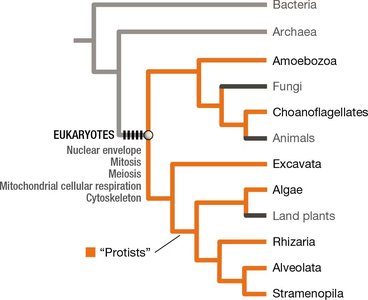
Protists are a diverse group of eukaryotic organisms that are neither plants, fungi, nor animals. They exhibit a wide range of cellular structures, reproductive strategies, and ecological roles. Eukaryotes are characterized by their nuclear envelope, complex organelles, and cytoskeleton, distinguishing them from bacteria and archaea.
Protists include all eukaryotes except land plants, fungi, and animals.
They are not a monophyletic group and lack unique defining features.
Most protists inhabit aquatic environments.
Medical and Ecological Importance of Protists
Protists in Human Health
Protists are responsible for several significant human diseases and ecological phenomena.
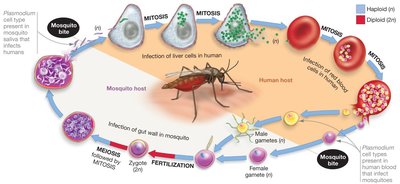
Malaria is caused by five species of Plasmodium, transmitted by mosquitoes. Each stage of the Plasmodium life cycle is specialized for infecting specific host cells.
Other diseases include amoebic dysentery (Entamoeba histolytica), sleeping sickness (Trypanosoma), and toxoplasmosis (Toxoplasma gondii).
Protists and Plant Disease
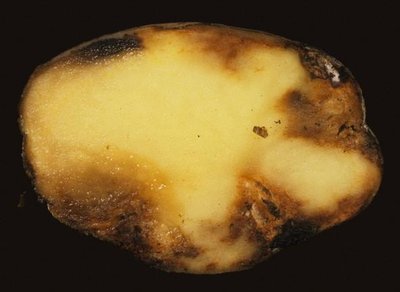
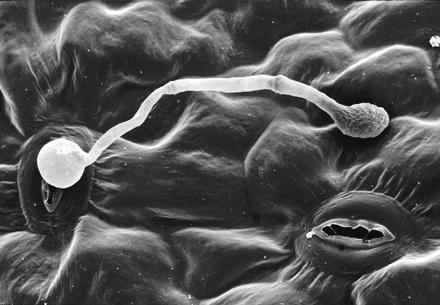
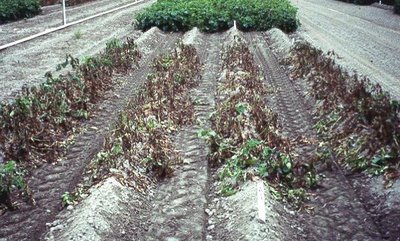
Some protists cause devastating plant diseases, such as late blight in potatoes and tomatoes, which led to the Irish potato famine.
Phytophthora infestans is a water mold responsible for late blight.
Damage affects both foliage and tuber storage quality.
Harmful Algal Blooms
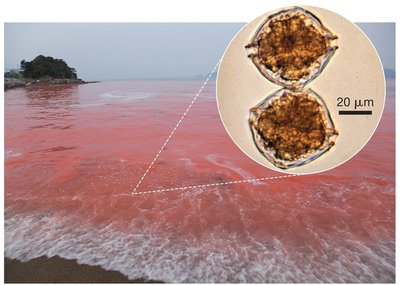
Unicellular, photosynthetic, toxin-producing protists such as dinoflagellates can cause harmful algal blooms, leading to shellfish poisoning in humans.
Shellfish accumulate toxins but are not harmed themselves.
Blooms can result in closures of shellfish harvesting areas.

Protist Diversity and Cell Structure
Cellular Features and Lineages
Protists are grouped based on cell structure and distinctive organelles. Innovations such as unusual flagella, cell walls, and internal support structures have contributed to their diversification.
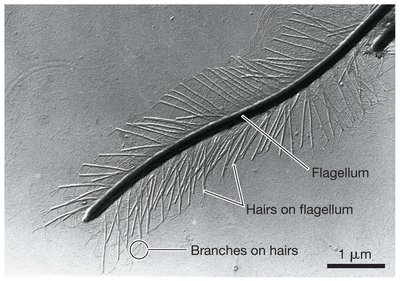
Stramenopiles have flagella covered with hollow, hairlike structures.
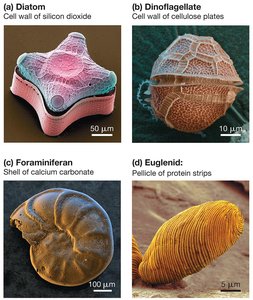
Protists display a variety of cell coverings, including glass-like walls (diatoms), cellulose plates (dinoflagellates), and calcium carbonate shells (foraminiferans).
Distinguishing Features of Major Lineages
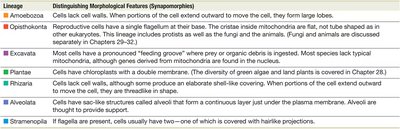
Each major protist lineage has unique morphological characteristics.
Amoebozoa: Flexible membranes, amoeboid movement.
Excavata: Excavated feeding groove, flagella.
Plantae: Chloroplasts, cellulose cell walls.
Rhizaria: Shell-like coverings, slender pseudopodia.
Alveolata: Alveoli under plasma membrane, cilia or flagella.
Stramenopila: Flagella with hollow hairs.
Endosymbiosis and Organelle Evolution
Origin of Mitochondria
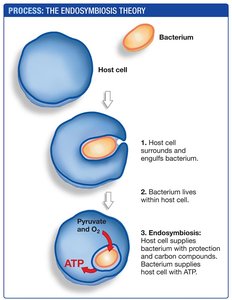
The endosymbiosis theory explains the origin of mitochondria as a result of a symbiotic relationship between a host cell and a bacterium.
Mitochondria are similar in size to α-proteobacteria, replicate by fission, and have their own genomes.
Phylogenetic data supports their bacterial ancestry.
Origin of Chloroplasts
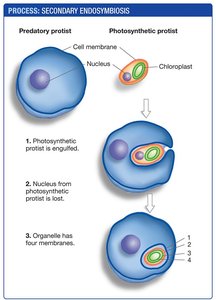
Chloroplasts originated when a protist engulfed a cyanobacterium, leading to photosynthetic eukaryotes.
Chloroplasts have bacteria-like characteristics and circular DNA.
Secondary endosymbiosis occurred when a predatory protist engulfed a photosynthetic protist, resulting in chloroplasts with four membranes.
Multicellularity and Feeding Strategies
Multicellularity
Mutations leading to multicellularity allowed cells to stick together after division, eventually resulting in specialized cell functions and complex organisms.
Multicellularity evolved independently in several eukaryotic lineages.
Feeding Strategies
Protists obtain food by ingesting packets of food, absorbing organic molecules, or performing photosynthesis.
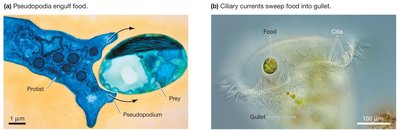
Ingestive feeding involves phagocytosis or sweeping food particles with cilia.
Absorptive feeding involves uptake of nutrients across the plasma membrane; some are decomposers or parasites.
Photosynthetic protists are primary producers in aquatic ecosystems.
Locomotion in Protists
Movement Mechanisms
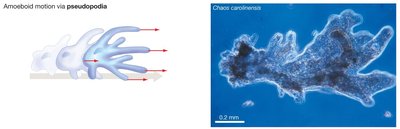
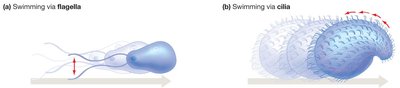
Protists move using amoeboid motion, flagella, or cilia.
Amoeboid motion involves streaming of pseudopodia and is possible in species lacking cell walls.
Flagella are long and usually found alone or in pairs; cilia are short and numerous.
Reproduction and Life Cycles
Asexual and Sexual Reproduction
Protists reproduce both asexually (mitosis) and sexually (meiosis and gamete fusion). Sexual reproduction increases genetic diversity, which is adaptive in changing environments.
Life Cycle Variability
Protist life cycles vary widely, with distinctions between haploid and diploid phases.
Alternation of generations involves multicellular haploid (gametophyte) and diploid (sporophyte) forms.
Key Lineages of Eukaryotes
Amoebozoa
Amoebozoa lack cell walls, move via amoeboid motion, and are abundant in freshwater and wet soils. Major subgroups include amoebae, cellular slime molds, and plasmodial slime molds.
Excavata
Excavata have an excavated feeding groove and swim via flagella. Subgroups include parabasalids, diplomonads, and euglenids.
Plantae
Plantae are a monophyletic group with chloroplasts and cellulose cell walls. Subgroups include glaucophyte algae, red algae, green algae, and land plants.
Rhizaria
Rhizaria are single-celled, lack cell walls, and move by slender pseudopodia. Some have elaborate shell-like coverings.
Alveolata
Alveolata have flattened vesicles (alveoli) under their plasma membrane and move by cilia or flagella. Subgroups include ciliates, dinoflagellates, and apicomplexans.
Stramenopila
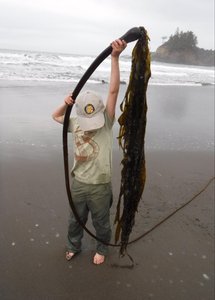
Stramenopila have flagella with distinctive hollow "hairs" and include water molds, diatoms, and brown algae.
Summary Table: Distinguishing Features of Major Protist Lineages
Lineage | Distinguishing Features |
|---|---|
Amoebozoa | Flexible membranes, amoeboid movement, lack cell walls |
Excavata | Excavated feeding groove, flagella, some lack mitochondria |
Plantae | Chloroplasts, cellulose cell walls, alternation of generations |
Rhizaria | Shell-like coverings, slender pseudopodia, lack cell walls |
Alveolata | Alveoli under plasma membrane, cilia or flagella |
Stramenopila | Flagella with hollow hairs, unicellular and multicellular forms |
