 뒤로
The Cell Cycle: Structure, Function, and Regulation
스터디 가이드 - 스마트 노트
 자료에 맞춘 맞춤형 노트, 핵심 정의, 예시, 맥락을 확장해 제공합니다.
The Cell Cycle
Overview of Cell Division
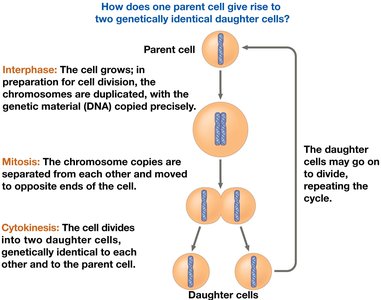
The cell cycle is a fundamental process by which cells reproduce, enabling growth, development, and tissue repair in multicellular organisms. Most cell division results in genetically identical daughter cells, ensuring continuity of life and the maintenance of organismal function.
Cell division is the process by which a parent cell divides into two daughter cells.
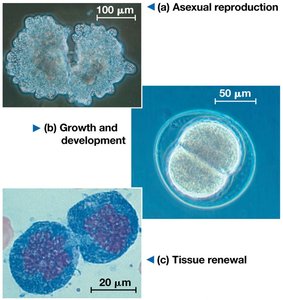
It is essential for reproduction, growth, development, and tissue renewal.
Cell division is highly regulated and accurate, preventing genetic errors.
Key Roles of Cell Division
Cell division serves several critical functions in both unicellular and multicellular organisms:
Asexual reproduction in unicellular organisms produces new individuals.
Growth and development in multicellular organisms increases cell number and complexity.
Tissue renewal and repair replaces damaged or dead cells.
Organization of Genetic Material
Genome Structure
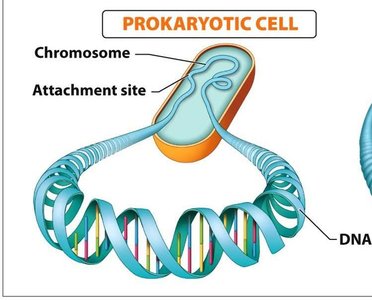
The genome is the complete collection of an organism’s genetic material. Its organization differs between prokaryotes and eukaryotes:
Prokaryotes typically have a single, circular chromosome.
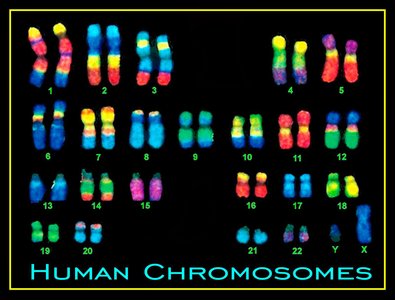
Eukaryotes possess multiple, linear chromosomes.
Chromatin vs. Chromosomes
Genetic material exists in two main forms:
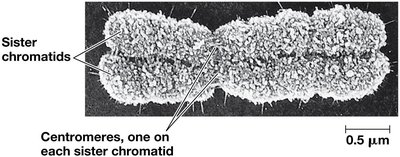
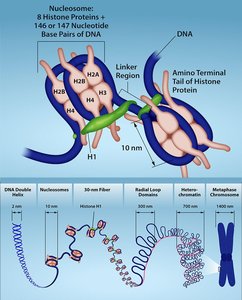
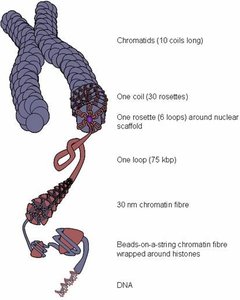
Chromatin: Unpacked DNA, accessible for transcription and replication.
Chromosomes: Highly condensed DNA, packaged for cell division to prevent damage and control accessibility.

Chromosomal Territories
During interphase, chromosomes occupy distinct regions within the nucleus known as chromosomal territories, which help organize gene expression and DNA replication.
Types of Cells and Chromosome Number
Eukaryotes have two main cell types:
Germ line cells: Diploid progenitor cells that undergo meiosis to produce haploid gametes (sperm and egg).
Somatic cells: All other cells, typically diploid (two sets of chromosomes).
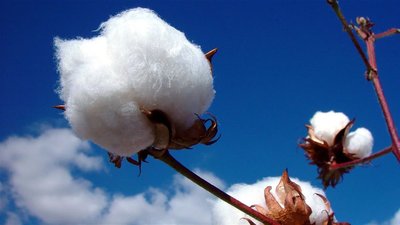
Polyploidy: Some organisms, especially plants, have more than two sets of chromosomes (e.g., tetraploid, hexaploid, octoploid).

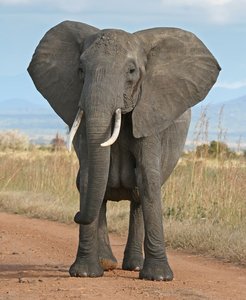
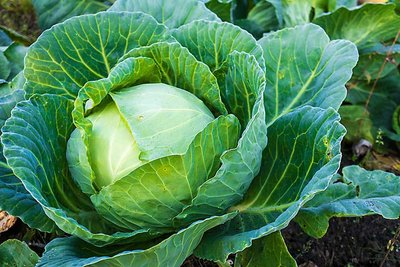
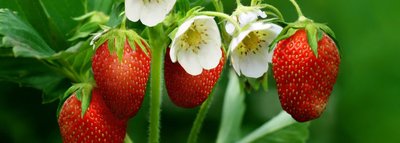
Chromosome Number by Species
Species | Chromosome Number | Haploid Number (n) |
|---|---|---|
Cabbage | 18 | 9 |
Elephant | 56 | 28 |
Human | 46 | 23 |
Strawberry (octoploid) | 56 | 7 |
Cotton (polyploid) | Varies | Varies |
Additional info: Polyploidy is common in plants and contributes to genetic diversity. |
Cell Division: Mitosis and Meiosis
Mitosis
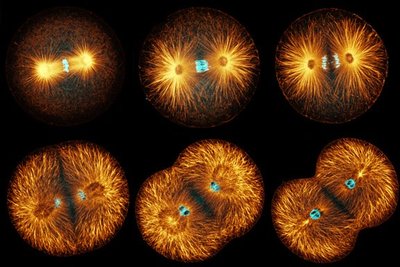
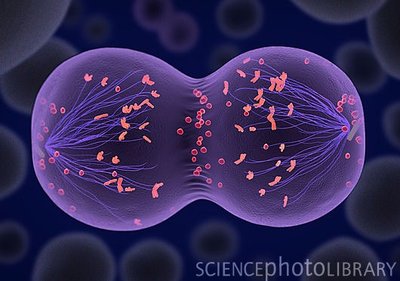
Mitosis is the process by which somatic cells divide, resulting in two genetically identical daughter cells. It ensures the faithful transmission of genetic material.
Stages of Mitosis: Prophase, Prometaphase, Metaphase, Anaphase, Telophase, followed by Cytokinesis.
Key features: Chromosome condensation, spindle formation, chromosome alignment, chromatid separation, nuclear envelope reformation.
Meiosis
Meiosis occurs in germ line cells, producing gametes with half the chromosome number of the parent cell. This process introduces genetic diversity through recombination and independent assortment.
Meiosis results in nonidentical daughter cells (gametes).
Essential for sexual reproduction.
The Cell Cycle Phases
Interphase
Interphase is the period between cell divisions, during which the cell grows, replicates its DNA, and prepares for mitosis.
G1 Phase: Cell growth and normal function; may enter G0 (non-dividing state).
S Phase: DNA synthesis and replication.
G2 Phase: Further growth, organelle replication, and preparation for mitosis.
M Phase (Mitotic Phase)
The M phase includes both mitosis and cytokinesis, resulting in the physical separation of the cell into two daughter cells.
Mitosis: Division of the nucleus.
Cytokinesis: Division of the cytoplasm.
Mechanisms of Mitosis
Mitotic Spindle
The mitotic spindle is a structure composed of microtubules and proteins that orchestrates chromosome movement during mitosis.
Spindle assembly begins in the centrosome (microtubule organizing center).
Spindle microtubules attach to kinetochores on chromosomes.
Chromosomes are aligned at the metaphase plate and separated during anaphase.
Cytokinesis
Cytokinesis differs between animal and plant cells:
Animal cells: Formation of a cleavage furrow by actin and myosin contractile ring.
Plant cells: Formation of a cell plate from Golgi-derived vesicles, which fuses to become the new cell wall.
Prokaryotic Cell Division: Binary Fission
Binary Fission
Prokaryotes divide by binary fission, a simpler process than mitosis:
The single chromosome replicates from the origin of replication.
Origins move to opposite ends as the cell elongates.
Plasma membrane pinches inward, dividing the cell into two.
Regulation of the Cell Cycle
Cell Cycle Checkpoints
Progression through the cell cycle is controlled at several checkpoints, ensuring accuracy and preventing errors:
G1 Checkpoint: Checks for DNA damage before DNA replication.
S Checkpoint: Monitors DNA replication accuracy.
G2 Checkpoint: Ensures DNA replication is complete and correct.
Metaphase Checkpoint: Verifies chromosome alignment and spindle attachment.
Checkpoint | Function |
|---|---|
G1 | DNA damage check; repair or apoptosis if unsuccessful |
S | DNA replication accuracy; repair or halt if needed |
G2 | Completion and correctness of DNA replication |
Metaphase | Chromosome alignment and spindle attachment |
Cancer and Cell Cycle Regulation
Cancer Cells
Cancer results from the loss of normal cell cycle controls, leading to uncontrolled cell proliferation:
Cancer cells disregard density signals and checkpoints.
High mutation rates and failure to repair DNA damage.
Cells may become immortal (e.g., HeLa cells, telomerase activity).
Stimulate angiogenesis (formation of new blood vessels).
Oncogenes and Tumor Suppressor Genes
Two classes of genes are involved in cancer development:
Oncogenes: Hyperactive growth-stimulatory genes; mutated proto-oncogenes.
Tumor suppressor genes: Inhibit cell growth; loss of function leads to cancer (e.g., p53).
Gene Type | Normal Function | Cancer Effect |
|---|---|---|
Proto-oncogene | Stimulate normal cell growth | Mutation leads to oncogene, causing uncontrolled growth |
Tumor suppressor | Inhibit cell division, repair DNA | Loss of function removes growth restraint |
Benign tumors are slow-growing and contained, while malignant tumors invade other tissues and metastasize.
Loss of cell cycle controls results in cancer cells forming tumors, which may be treated with radiation or chemotherapy depending on their spread.
Additional info: The p53 protein is a key tumor suppressor that regulates the cell cycle and triggers apoptosis in response to DNA damage.
