 뒤로
뒤로The Working Cell: Membranes and Enzymes – Study Guide
스터디 가이드 - 스마트 노트
 자료에 맞춘 맞춤형 노트, 핵심 정의, 예시, 맥락을 확장해 제공합니다.
The Working Cell: Membranes and Enzymes
Membrane Structure and Function
The plasma membrane is a selectively permeable barrier that regulates the entry and exit of substances, maintaining the internal environment of the cell. Membrane proteins play diverse roles, including transport, signaling, and cell recognition.
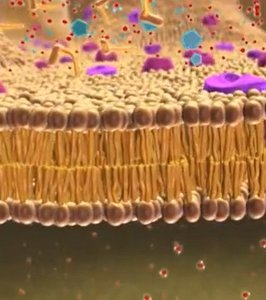
Phospholipid Bilayer: The fundamental structure of the membrane, composed of two layers of phospholipids with hydrophobic tails facing inward and hydrophilic heads facing outward.
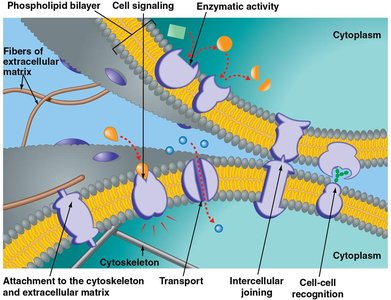
Membrane Proteins: Integral and peripheral proteins serve functions such as transport, enzymatic activity, cell signaling, attachment, intercellular joining, and cell-cell recognition.
Gradient: A difference in concentration of a substance across a membrane, often maintained by cellular energy expenditure.
Passive Transport: Diffusion Across Membranes
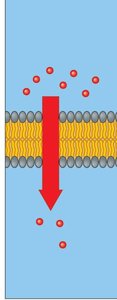
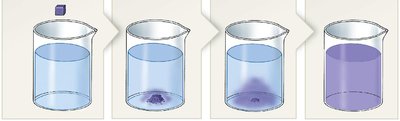
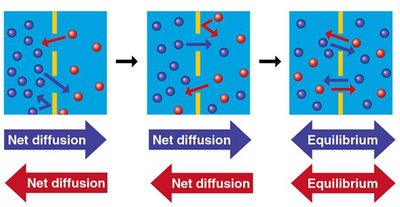
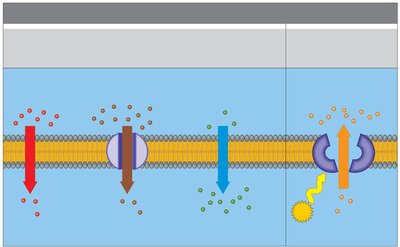
Passive transport is the movement of molecules across a membrane without energy input, driven by concentration gradients. Diffusion is a key mechanism, allowing substances to move from areas of high concentration to low concentration.
Diffusion: Random movement of molecules leading to even distribution.
Simple Diffusion: Small or hydrophobic molecules (e.g., O2, CO2) cross the membrane unaided.
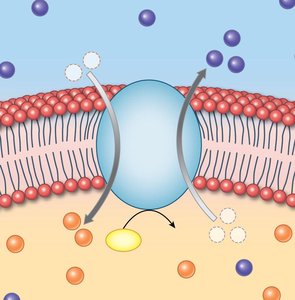
Facilitated Diffusion: Larger or polar molecules cross via specific transmembrane proteins (channel or carrier proteins).
Osmosis: Water Movement Across Membranes
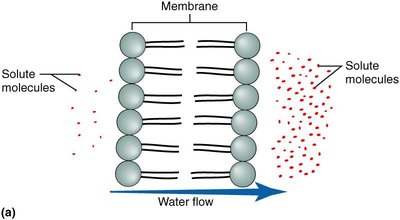
Osmosis is the passive movement of water across a semipermeable membrane, driven by differences in solute concentration. Water moves from areas of low solute concentration to high solute concentration.
Osmolarity: Total solute concentration in a solution.
Aquaporins: Specialized water channels that facilitate rapid osmosis.
Effects of Osmosis on Animal Cells
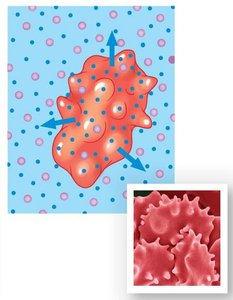
The osmotic environment affects cell shape and function. Animal cells respond differently to isotonic, hypotonic, and hypertonic solutions.
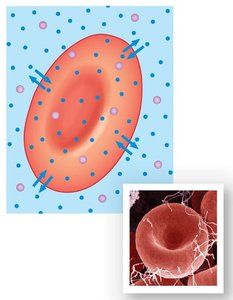
Isotonic Solution: Equal solute concentration inside and outside; no net water movement.
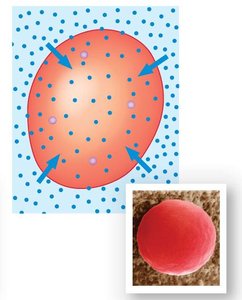
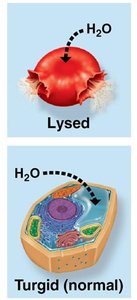
Hypotonic Solution: Lower solute concentration outside; water enters, cell swells and may lyse.
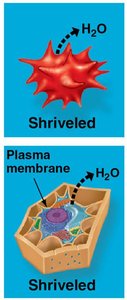
Hypertonic Solution: Higher solute concentration outside; water leaves, cell shrivels (crenates).
Osmosis in Protists and Plant Cells
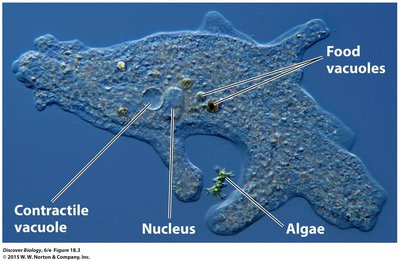
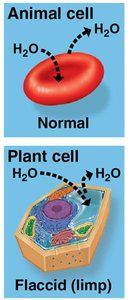
Protists like amoebas and plant cells also experience osmotic stress. Plant cells have rigid cell walls, which affect their response to osmotic changes.
Contractile Vacuole: In protists, helps expel excess water in hypotonic environments.
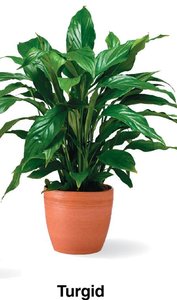
Turgid: Plant cell in hypotonic solution; cell is firm due to water intake.
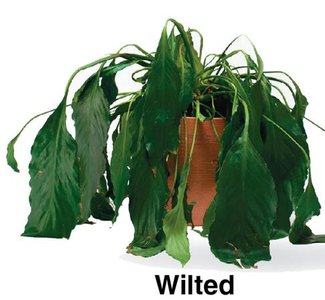
Flaccid: Plant cell in isotonic solution; cell is limp.
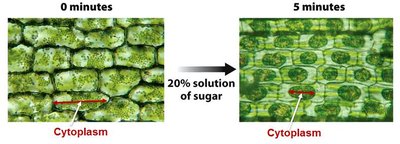
Plasmolysis: Plant cell in hypertonic solution; cell membrane pulls away from cell wall.
Active Transport: Moving Molecules Against Gradients
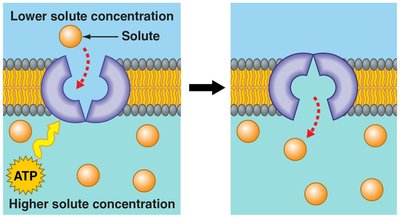
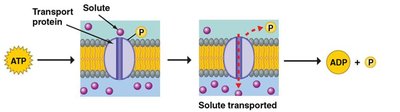
Active transport requires energy (usually from ATP) to move substances against their concentration gradients. This process is essential for maintaining cellular homeostasis.
Transport Proteins: Use ATP to pump solutes from low to high concentration.
Sodium-Potassium Pump: Pumps Na+ out and K+ in, maintaining electrochemical gradients.
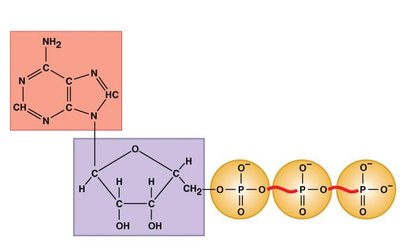
ATP: Adenosine triphosphate, the cell's energy currency.
Summary of Membrane Transport
Cells use various mechanisms to transport substances across membranes, including passive and active transport, as well as vesicle-mediated processes.
Passive Transport: Simple diffusion, facilitated diffusion, osmosis.
Active Transport: Requires energy, moves solutes against gradients.
Endocytosis/Exocytosis: Vesicle-mediated transport for large molecules.
Endocytosis and Exocytosis
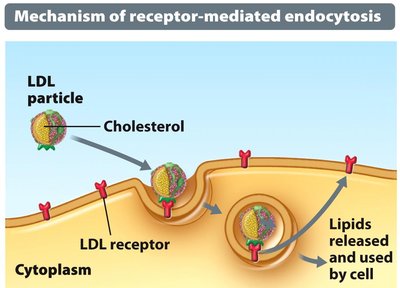
Cells move large molecules or particles using vesicles. Exocytosis expels materials, while endocytosis brings them in. Receptor-mediated endocytosis is highly specific.
LDL Particles: Cholesterol transport via receptor-mediated endocytosis.
Defective Receptors: Can lead to diseases such as familial hypercholesterolemia.
Energy and Cellular Work
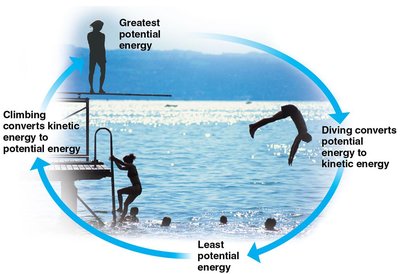
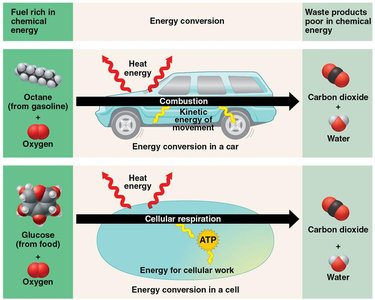
Energy is the capacity to cause change. Cells convert energy from one form to another, primarily using ATP as the energy carrier.
Kinetic Energy: Energy of motion.
Potential Energy: Stored energy due to position or structure.
Chemical Energy: Potential energy stored in chemical bonds.
Entropy: Measure of disorder; energy conversions increase entropy.
ATP and Cellular Work
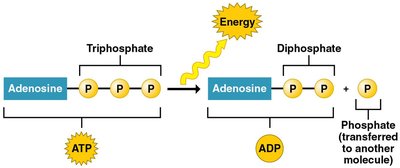
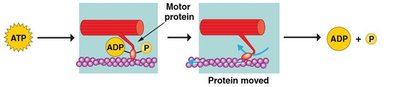
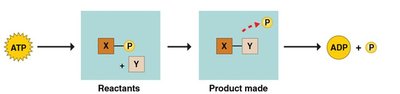
ATP is continuously used and recycled in cells to drive mechanical, transport, and chemical work. The hydrolysis of ATP releases energy for cellular processes.
ATP Hydrolysis:
Cellular Work: Motor proteins (mechanical), transport proteins (transport), enzymes (chemical reactions).
Enzymes: Biological Catalysts
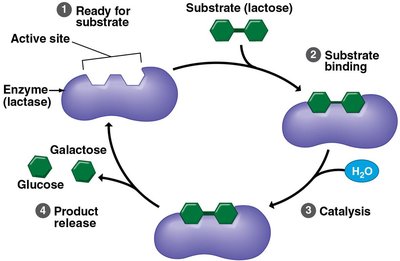
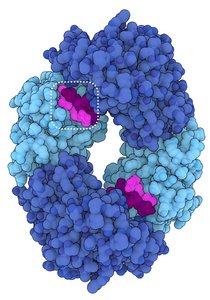
Enzymes are proteins (or RNA) that speed up chemical reactions by lowering activation energy. They are highly specific and reusable.
Active Site: Region where substrate binds.
Induced Fit: Enzyme changes shape upon substrate binding.
Enzyme Specificity: Each enzyme acts on specific substrates.
Examples: Lactase (breaks down lactose), protease (breaks down proteins).
Factors Influencing Enzymatic Activity
Enzyme activity is affected by temperature, pH, salt concentration, substrate concentration, inhibitors, and cofactors. Extreme conditions can denature enzymes, causing loss of function.
Denaturation: Loss of 3D structure and function.
Activation Energy: Minimum energy required for a reaction; enzymes lower this threshold.
Metabolic Pathways
Metabolic pathways are sequences of chemical reactions, each catalyzed by a specific enzyme. The product of one reaction becomes the substrate for the next.
Examples: Photosynthesis, cellular respiration, fermentation.
Additional info: The notes cover all major aspects of membrane structure, transport mechanisms, energy conversion, and enzyme function as outlined in General Biology Chapter 5.
