 뒤로
뒤로Comprehensive Study Notes: Overview of the Immune System and Cells & Organs of Immunity
스터디 가이드 - 스마트 노트
 자료에 맞춘 맞춤형 노트, 핵심 정의, 예시, 맥락을 확장해 제공합니다.
Overview of the Immune System
Historical Perspective
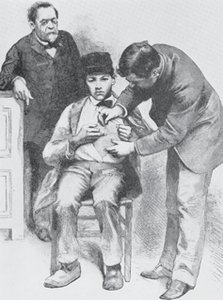
The field of immunology originated from observations that individuals who recovered from certain infectious diseases became protected from future infections. Early practices such as variolation and vaccination laid the foundation for modern immunology. The immune system is a complex network capable of recognizing and eliminating a vast array of foreign invaders, including pathogens and cancer cells.
Immunity: State of protection against infectious disease.
Vaccination: Introduction of attenuated pathogens to induce immunity.
Serendipity in Science: Key discoveries often resulted from unexpected observations.
Humoral vs. Cellular Immunity: Early studies revealed both antibody-mediated (humoral) and cell-mediated (cellular) components.
Humoral and Cellular Components of Immunity
Immunity is mediated by both antibodies (humoral) and cells (cellular). Antibodies are produced by B lymphocytes and are found in body fluids, while cellular immunity is mediated by T lymphocytes and phagocytic cells.
Antibodies: Proteins that specifically bind antigens.
Phagocytes: Cells that ingest and destroy pathogens.
Clonal Selection Theory: Each lymphocyte expresses a unique antigen receptor; antigen binding stimulates proliferation of specific clones.
Innate and Adaptive Immunity
The immune system consists of two main branches: innate immunity (non-specific, immediate) and adaptive immunity (specific, delayed, with memory).
Innate Immunity: First line of defense; includes physical barriers, phagocytic cells, and antimicrobial molecules.
Adaptive Immunity: Highly specific; involves lymphocytes and antibodies, and exhibits memory.
Barriers to Infection
Physical and physiological barriers prevent pathogen entry and growth.
Skin: Mechanical barrier; acidic pH inhibits microbial growth.
Mucous Membranes: Entrap and remove pathogens; cilia propel mucus out of the body.
Physiological Barriers: Temperature, pH, and soluble factors (e.g., lysozyme, interferon, complement).
Phagocytosis and Inflammation
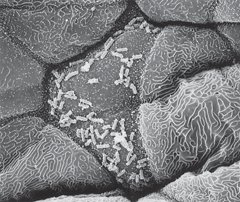
Phagocytic cells ingest pathogens, and inflammation recruits immune cells to sites of infection.
Phagocytosis: Uptake of pathogens by specialized cells (macrophages, neutrophils).
Inflammatory Response: Vasodilation, increased permeability, and recruitment of phagocytes.
Adaptive Immunity: Lymphocytes and Antigen Recognition
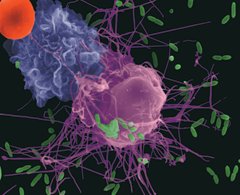
Adaptive immunity relies on B and T lymphocytes, which recognize specific antigens.
B Lymphocytes: Mature in bone marrow; produce antibodies.
T Lymphocytes: Mature in thymus; recognize antigens presented by MHC molecules.
Antigen-Presenting Cells (APCs): Include macrophages, dendritic cells, and B cells; present antigens to T cells.
Humoral vs. Cell-Mediated Immunity
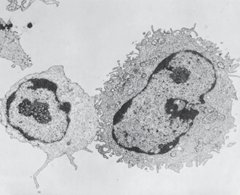
Humoral immunity is mediated by antibodies, while cell-mediated immunity involves T cells.
Humoral Immunity: Antibodies neutralize pathogens and facilitate their clearance.
Cell-Mediated Immunity: T cells kill infected or altered self-cells.
Antigen Processing and Presentation
Antigens are processed and presented by MHC molecules to T cells.
Class I MHC: Presents endogenous antigens to CD8+ cytotoxic T cells.
Class II MHC: Presents exogenous antigens to CD4+ helper T cells.
Comparative Immunity
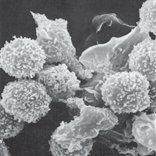
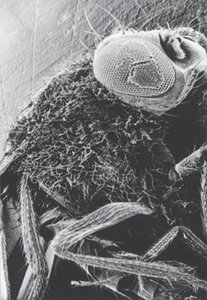
Innate immunity is found in many multicellular organisms, while adaptive immunity is unique to vertebrates.
Antimicrobial Peptides: Produced by insects and plants as part of innate immunity.
Phytoalexins: Plant-derived molecules with antibiotic activity.
Immune Dysfunction
Immune system dysfunction can lead to allergy, asthma, graft rejection, autoimmune disease, and immunodeficiency.
Allergy and Asthma: Inappropriate immune responses to common antigens.
Autoimmunity: Immune attack on self tissues.
Immunodeficiency: Loss or defect in immune function (e.g., AIDS).
Cells and Organs of the Immune System
Hematopoiesis
All blood cells arise from hematopoietic stem cells (HSCs) in the bone marrow. HSCs are multipotent and self-renewing, giving rise to lymphoid and myeloid progenitors.
Lymphoid Progenitors: B cells, T cells, NK cells, some dendritic cells.
Myeloid Progenitors: Erythrocytes, granulocytes, monocytes, mast cells, dendritic cells, platelets.
Regulation and Apoptosis
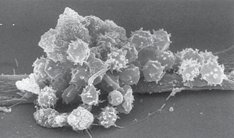
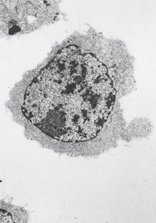
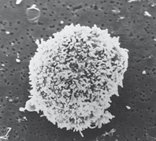
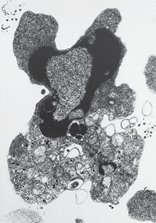
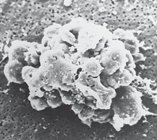
Hematopoiesis is regulated by cytokines and transcription factors. Programmed cell death (apoptosis) maintains homeostasis and prevents uncontrolled proliferation.
Apoptosis: Ordered cell death; prevents inflammation and maintains cell numbers.
Key Genes: bcl-2 (inhibits apoptosis), caspases (promote apoptosis).
Lymphoid Cells
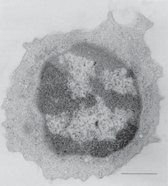
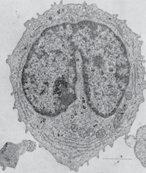
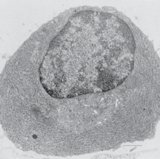
Lymphocytes are central to adaptive immunity and are classified as B cells, T cells, and natural killer (NK) cells.
B Cells: Produce antibodies; mature in bone marrow.
T Cells: Recognize antigens presented by MHC; mature in thymus.
NK Cells: Kill tumor and virus-infected cells; do not require prior sensitization.
Mononuclear Phagocytes and Granulocytes
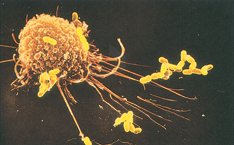
Monocytes and macrophages ingest and destroy pathogens, present antigens, and secrete cytokines. Granulocytes include neutrophils, eosinophils, and basophils, each with specialized functions.
Macrophages: Phagocytosis, antigen presentation, cytokine secretion.
Neutrophils: First responders; phagocytosis and killing of pathogens.
Eosinophils: Defense against parasites.
Basophils/Mast Cells: Release histamine; involved in allergic responses.
Dendritic Cells
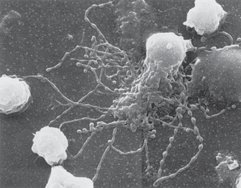
Dendritic cells are potent antigen-presenting cells, essential for initiating adaptive immune responses. Follicular dendritic cells facilitate B cell activation.
Organs of the Immune System
The immune system is organized into primary and secondary lymphoid organs.
Primary Lymphoid Organs: Thymus (T cell maturation), bone marrow (B cell maturation).
Secondary Lymphoid Organs: Lymph nodes, spleen, mucosal-associated lymphoid tissue (MALT).
Lymphoid Follicles and Germinal Centers
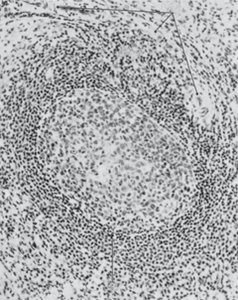
Lymphoid follicles are sites of B cell activation and proliferation. Germinal centers are regions of intense B cell division and selection.
Systemic Function and Evolutionary Comparisons
The immune system operates as a coordinated network, with cells and molecules communicating across organs and tissues. Adaptive immunity is unique to vertebrates, while innate immunity is widespread among multicellular organisms.
Communication: Lymphatic and circulatory systems transport cells and antigens.
Evolution: Jawed vertebrates possess adaptive immunity; jawless vertebrates rely on innate mechanisms.
Additional info: These notes expand on the original content by providing definitions, examples, and context for key concepts, ensuring completeness and academic quality for exam preparation.
