
Ch.16 Amino Acids, Proteins, and Enzymes
Timberlake - Chemistry: An Introduction to General, Organic, and Biological Chemistry 14th Edition
Timberlake14th EditionChemistry: An Introduction to General, Organic, and Biological ChemistryISBN: 9781292472249당신이 사용하는 게 아니라요?교과서 변경
16장, 문제 50a

In humans, the antibiotic amoxicillin (a type of penicillin) is used to treat certain bacterial infections.
a. Does the antibiotic inhibit enzymes in humans?

검증된 단계별 안내
1
Understand the role of antibiotics: Antibiotics like amoxicillin are designed to target bacterial cells, not human cells. They work by interfering with processes essential to bacterial survival, such as cell wall synthesis.
Identify the specific mechanism of amoxicillin: Amoxicillin inhibits bacterial enzymes called transpeptidases (also known as penicillin-binding proteins, PBPs). These enzymes are crucial for the synthesis of the bacterial cell wall.
Clarify the selectivity of amoxicillin: Amoxicillin is selective for bacterial enzymes because human cells do not have cell walls or the enzymes required to build them. This is why amoxicillin does not inhibit enzymes in human cells under normal circumstances.
Consider potential exceptions: While amoxicillin does not directly inhibit human enzymes, some individuals may experience side effects or allergic reactions. These are not due to enzyme inhibition but rather immune system responses or other indirect effects.
Conclude the answer: Based on the mechanism of action, amoxicillin does not inhibit enzymes in humans. Its activity is specific to bacterial enzymes involved in cell wall synthesis.

비슷한 문제에 대한 검증된 영상 답변:

이 영상 해법은 위 문제에 도움이 된다고 튜터들이 추천한 것입니다.
영상 길이:
1m

주요 개념

질문에 올바르게 답하기 위해 반드시 이해해야 하는 핵심 개념들은 다음과 같습니다.

Antibiotics

Antibiotics are substances that inhibit the growth of or destroy bacteria. They work by targeting specific bacterial functions or structures, such as cell wall synthesis or protein production, without harming human cells. Understanding how antibiotics function is crucial for evaluating their effects on both bacteria and human physiology.

Mechanism of Action

The mechanism of action refers to the specific biochemical interaction through which a drug produces its pharmacological effect. For antibiotics like amoxicillin, this often involves inhibiting bacterial enzymes necessary for cell wall synthesis, leading to bacterial cell death. Recognizing this mechanism helps in understanding the selective action of antibiotics.
추천 영상:
가이드 코스
2:39
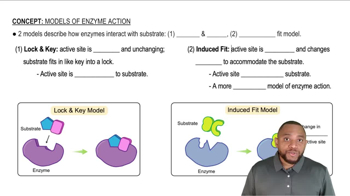
Models of Enzyme Action Concept 1

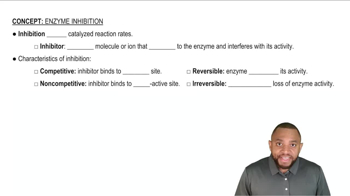
Enzyme Inhibition

Enzyme inhibition occurs when a molecule, such as an antibiotic, binds to an enzyme and decreases its activity. In the context of amoxicillin, it specifically inhibits bacterial enzymes rather than human enzymes, which is essential for its therapeutic effect. This distinction is important to understand the safety and efficacy of antibiotics in treating infections.
추천 영상:
가이드 코스
1:19
Enzyme Inhibition Concept 1
관련 실천