 뒤로
뒤로Medical Terminology: The Skeletal and Muscular Systems – Study Guide
스터디 가이드 - 스마트 노트
 자료에 맞춘 맞춤형 노트, 핵심 정의, 예시, 맥락을 확장해 제공합니다.
The Skeletal and Muscular Systems
Introduction
The skeletal and muscular systems are fundamental to human anatomy and physiology, providing structure, support, movement, and protection for the body. Together, they form the musculoskeletal system, which is subject to various injuries, diseases, and disorders. Understanding the medical terminology associated with these systems is essential for students in health sciences and medical fields.
Anatomy and Physiology: Word Parts
Common Word Roots and Combining Forms
arthr/o: joint
articul/o: joint
burs/o: bursa (fluid-filled sac)
carp/o: wrist
chondr/o: cartilage
condyl/o: knuckle
cost/o: rib
cran/o, crani/o: skull
fasci/o: fascia (band of connective tissue)
femor/o: femur (thigh bone)
fibul/o: fibula (lower leg bone)
ili/o: ilium (pelvic bone)
ischi/o: ischium (pelvic bone)
muscul/o, my/o, myos/o: muscle
myel/o: bone marrow or spinal cord (context-dependent)
oste/o: bone
patell/o: patella (kneecap)
phalang/o: phalanges (finger or toe bones)
radi/o: radius (forearm bone)
sacr/o: sacrum (base of spine)
skelet/o: skeleton
spondyl/o, vertebr/o: vertebra
stern/o: sternum (breastbone)
ten/o, tendon/o: tendon
synov/o, synovi/o: synovial membrane
Overview of the Musculoskeletal System
Structure and Function
Bones provide structural support, protect organs, store minerals (especially calcium), and produce blood cells in the bone marrow.
Muscles enable movement by contracting and pulling on bones.
Tendons connect muscles to bones, transmitting the force needed for movement.
Ligaments connect bones to other bones, stabilizing joints.
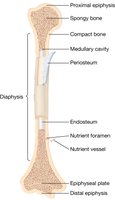
Figure: Anatomy of a long bone, showing the diaphysis, epiphyses, compact and spongy bone, medullary cavity, periosteum, and other key structures.
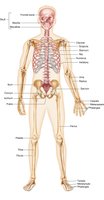
Figure: The human skeleton, anterior view, labeling major bones.
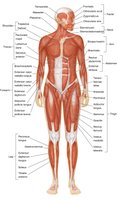
Figure: The major muscles of the human body, anterior view.
Medical Terms: Building and Understanding
Prefixes, Suffixes, and Combining Forms
Prefixes: a- (without), brady- (slow), dys- (bad, difficult), hyper- (excessive)
Suffixes: -algia (pain), -dynia (pain), -ia (condition), -y (process), -itis (inflammation), -malacia (softening), -osis (condition), -plasty (surgical repair), -rrhaphy (suturing), -tomy (cutting, incision)
Combining forms are used to link word roots and suffixes/prefixes, making complex medical terms.
Example: Osteoarthritis = oste/o (bone) + arthr (joint) + itis (inflammation) = inflammation of the bone and joint.
Signs and Symptoms of the Skeletal and Muscular Systems
Common Terms and Their Meanings
Arthralgia: Joint pain
Ataxia: Lack of muscle coordination
Atrophy: Wasting away or decrease in size of muscle or tissue (a- = without, troph/o = development, -y = process of)
Bradykinesia: Slow movement
Decalcification: Loss of calcium from bone
Dyskinesia: Difficult or abnormal movement
Dystrophy: Abnormal development or growth of tissue
Hypertrophy: Increase in size of an organ or tissue
Myalgia: Muscle pain
Tenodynia: Tendon pain
Diseases and Disorders of the Skeletal and Muscular Systems
Key Terms and Conditions
Achondroplasia: A genetic disorder causing dwarfism due to abnormal cartilage formation (a- = without, chondr/o = cartilage, -plasia = formation).

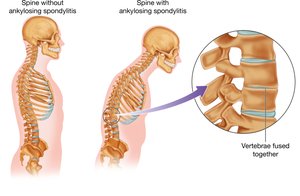
Ankylosis: Stiffness or fusion of a joint.
Arthritis: Inflammation of a joint (arthr = joint, -itis = inflammation). Types include:
Osteoarthritis (OA): Degenerative joint disease due to wear and tear.
Rheumatoid arthritis (RA): Autoimmune inflammation of joints.
Septic arthritis: Joint inflammation due to infection.
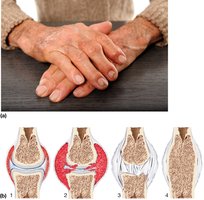
Bursitis: Inflammation of a bursa.
Carpal tunnel syndrome (CTS): Compression of the median nerve in the wrist.
Duchenne muscular dystrophy (DMD): Genetic disorder causing progressive muscle weakness.
Epicondylitis: Inflammation of the tissues around the elbow.
Fibromyalgia: Chronic widespread muscle pain and tenderness.
Fracture: Break in a bone. Types include:
Simple (closed)
Compound (open)
Comminuted (bone shattered)
Compression (bone crushed)
Greenstick (incomplete, common in children)
Oblique, Pathological, Spiral, Transverse
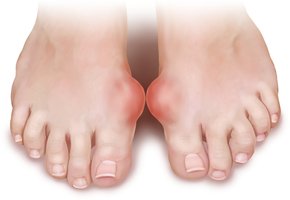
Gout: Metabolic disorder causing uric acid crystal accumulation in joints, often the big toe.
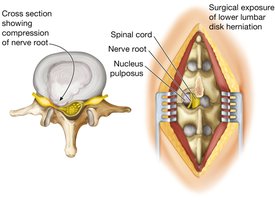
Herniated disk: Protrusion of an intervertebral disk, causing nerve compression and pain.
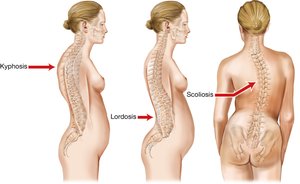
Kyphosis: Exaggerated posterior curvature of the thoracic spine (humpback).
Lordosis: Exaggerated anterior curvature of the lumbar spine.
Scoliosis: Lateral curvature of the spine.
Osteomalacia: Softening of bones due to vitamin D deficiency (oste/o = bone, -malacia = softening).
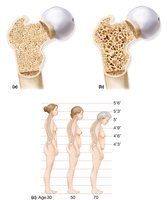
Osteoporosis: Condition of porous bones, leading to increased fracture risk (oste/o = bone, por = porous, -osis = condition).
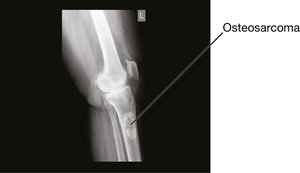
Osteosarcoma: Malignant bone tumor.
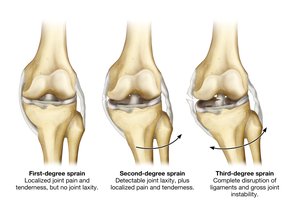
Sprain: Injury to a ligament, classified by degree of severity.
Strain: Injury to a muscle or tendon.
Tendonitis: Inflammation of a tendon.
Tenosynovitis: Inflammation of a tendon sheath.
Treatments, Procedures, and Devices
Common Procedures and Their Purposes
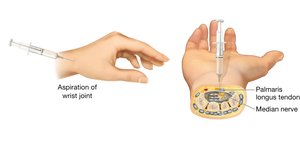
Arthrocentesis: Aspiration of fluid from a joint cavity, often to relieve swelling or diagnose joint disorders.
Arthrodesis: Surgical fixation of a joint (arthr/o = joint, -desis = surgical fixation).
Arthrogram: X-ray image of a joint after injection of contrast medium.
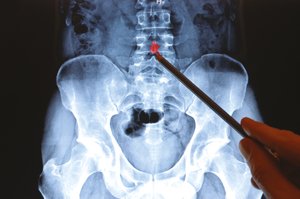
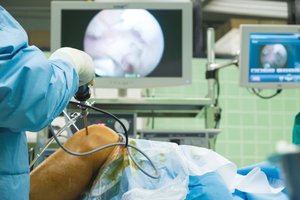
Arthroscopy: Visual examination of a joint using an arthroscope; often used for minimally invasive surgery.
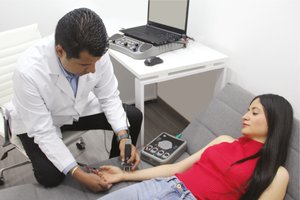
Electromyography (EMG): Recording the electrical activity of muscles to diagnose neuromuscular disorders (electr/o = electricity, my/o = muscle, -graphy = recording process).
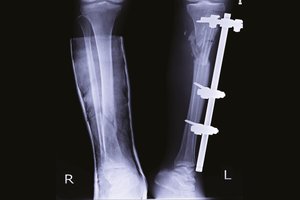
Fracture reduction: Realignment of broken bones. Types include:
Closed reduction: Non-surgical realignment, often with casting.
Open reduction: Surgical realignment, may involve internal or external fixation devices.
Orthotics: Use of devices to support or correct musculoskeletal function.
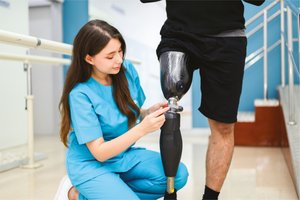
Prosthesis: Artificial device to replace a missing body part.
Abbreviations
Common Abbreviations in Musculoskeletal Medicine
Abbreviation | Meaning |
|---|---|
ACL | Anterior cruciate ligament |
AS | Ankylosing spondylitis |
CTS | Carpal tunnel syndrome |
DJD | Degenerative joint disease |
DMD | Duchenne muscular dystrophy |
EMG | Electromyography |
HNP | Herniated nucleus pulposus (herniated disk) |
NSAIDs | Nonsteroidal anti-inflammatory drugs |
OA | Osteoarthritis |
RA | Rheumatoid arthritis |
RICE | Rest, Ice, Compression, Elevation |
ROM | Range of motion |
SCI | Spinal cord injury |
THR | Total hip replacement |
TKA/TKR | Total knee arthroplasty/replacement |
TMD/TMJ | Temporomandibular (joint) disease |
Summary Table: Common Disorders and Procedures
Disorder/Procedure | Definition |
|---|---|
Osteoporosis | Loss of bone density, increased fracture risk |
Arthritis | Inflammation of joints |
Fracture | Break in a bone |
Sprain | Ligament injury |
Strain | Muscle/tendon injury |
Arthroscopy | Endoscopic examination of a joint |
EMG | Muscle electrical activity recording |
Orthotics | Supportive devices for musculoskeletal system |
Conclusion
Mastering the terminology of the skeletal and muscular systems is essential for effective communication in healthcare. Understanding word parts, common diseases, procedures, and abbreviations provides a strong foundation for further study in medical and allied health fields.
