 뒤로
뒤로Stress Management: Understanding, Effects, and Strategies
스터디 가이드 - 스마트 노트
 자료에 맞춘 맞춤형 노트, 핵심 정의, 예시, 맥락을 확장해 제공합니다.
Stress Management
Introduction to Stress
Stress is a natural response to demands or threats, whether real or perceived, that disrupt an individual's homeostasis. It can be triggered by both positive and negative events, and may be mental or physical in nature. Understanding stress and its management is crucial for maintaining personal health and wellness.
Defining Stress and Stressors
Stressor: Any event or situation that causes stress. Stressors can be positive (e.g., starting a new job) or negative (e.g., losing a loved one), and may be mental or physical.
Stress: The body's response to a stressor, resulting in a disruption of homeostasis.
Stress Response: The physiological and psychological changes that occur in response to a stressor, including the release of stress hormones such as cortisol, and feelings of strain, tension, anxiety, fear, or anger.
Optimal Levels of Stress
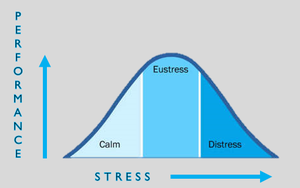
Not all stress is harmful. An optimal level of stress, known as eustress, can be motivating and energizing, helping individuals achieve goals. However, excessive stress, or distress, can be harmful and overwhelming, negatively impacting performance and health.
Types of Stress
Acute Stress: Sudden and short-term stress, such as that experienced during exercise, a car accident, or being stuck in traffic.
Cumulative Stress: Stress that builds up over time due to repeated or prolonged exposure to stressors, potentially disrupting various aspects of life.
Chronic Stress: Persistent stress experienced over a long period, often resulting in a constant state of heightened anxiety and feeling overwhelmed.

Physiological Stress Response
The body's response to stress involves both the nervous and endocrine systems. The autonomic nervous system triggers involuntary responses, while the endocrine system releases hormones such as cortisol. This response is often referred to as the fight or flight response, a primitive reaction that prepares the body to deal with threats.
General Adaptation Syndrome (GAS)
GAS describes the pattern of physiological responses to stress, consisting of three stages:
Alarm Stage: The initial reaction to a stressor, activating the body's defense mechanisms.
Resistance Stage: The body attempts to adapt to the stressor and return to homeostasis.
Exhaustion Stage: Prolonged exposure to stress depletes the body's resources, leading to decreased resistance and potential health problems.
Factors Affecting Stress Levels
Past Experiences: Previous encounters with stress can influence how individuals respond to new stressors.
Perceptions and Reactions: How a person perceives and reacts to stressors can affect their stress level.
Societal Norms: Cultural expectations and societal pressures can contribute to stress.
Personality Types: Individual personality traits can influence stress responses.
Stress and Health
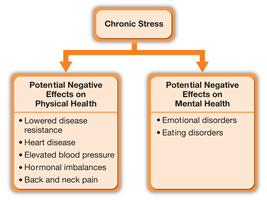
Chronic or persistent stress is associated with a range of health problems, both physical and mental. It can increase the risk of depression and contribute to direct and indirect health care costs.
Allostasis and Allostatic Load
Allostasis: The body's ability to achieve stability through physiological or behavioral change, restoring homeostasis after stress.
Allostatic Load: The cumulative burden of chronic stress and the body's response to it. High allostatic load indicates an inefficient stress response and increased risk of health problems.
Exercise as a Stress Management Strategy
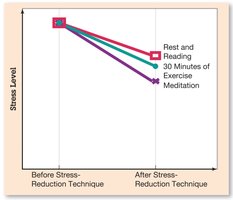
Exercise is an effective way to manage stress, primarily due to the release of endorphins, which are natural mood elevators. Light to moderate aerobic exercise is generally most effective, but the most important factor is engaging in activities that are enjoyable and promote mindfulness and relaxation. Common types of exercise for stress reduction include walking, yoga, and tai chi.

Other Stress-Reducing Techniques
Changing the Environment: Modifying one's surroundings to reduce exposure to stressors.
Avoiding Burnout: Taking steps to prevent the loss of physical, emotional, and mental energy due to prolonged stress.
Mindfulness and Relaxation: Techniques such as meditation, deep breathing, and progressive muscle relaxation can help lower stress levels.
Summary Table: Effects of Chronic Stress
Potential Negative Effects on Physical Health | Potential Negative Effects on Mental Health |
|---|---|
|
|
Key Equations and Concepts
Homeostasis: The body's tendency to maintain a stable internal environment.
Cortisol: A primary stress hormone released during the stress response.
Additional info: Chronic stress can also contribute to sleep disturbances, digestive issues, and impaired immune function. Effective stress management is essential for overall health and well-being.
