 뒤로
뒤로Blood: Structure, Function, and Physiology
스터디 가이드 - 스마트 노트
 자료에 맞춘 맞춤형 노트, 핵심 정의, 예시, 맥락을 확장해 제공합니다.
Chapter 17: Blood – Structure, Function, and Physiology
Overview of Blood
Blood is a specialized connective tissue essential for transporting substances, regulating homeostasis, and protecting the body. It is composed of cellular elements suspended in a liquid extracellular matrix called plasma.
Transport: Delivers oxygen, nutrients, and hormones; removes metabolic wastes.
Regulation: Maintains temperature, pH, and fluid volume.
Protection: Ensures hemostasis (clotting) and prevents infection.
Physical Properties of Blood
Blood exhibits unique physical characteristics that support its physiological roles.
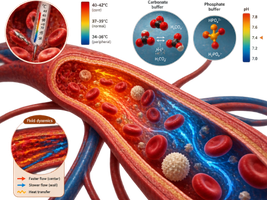
Density & Viscosity: Blood is denser and five times more viscous than water due to its cellular and protein content.
Temperature: Maintained at approximately 38°C (100.4°F), slightly higher than core body temperature.
pH Range: Strictly regulated between 7.35 and 7.45, making blood slightly alkaline.
Total Volume: Average adult volume is 5 liters (4–5 L in females, 5–6 L in males), about 8% of body weight.
Components of Whole Blood
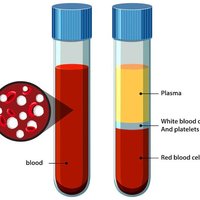
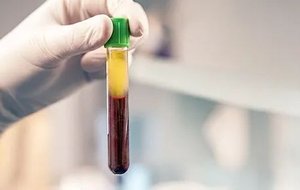
Whole blood separates into distinct layers upon centrifugation, reflecting its composition:
Plasma: Straw-colored fluid, ~55% of blood volume.
Buffy Coat: Thin layer containing leukocytes (white blood cells) and platelets (<1%).
Packed Erythrocytes: Red blood cells, ~45% of blood volume.
Composition of Blood Plasma
Plasma is a complex, non-living matrix that transports nutrients, wastes, gases, and proteins.
Water (92%): Main solvent for transporting substances.
Plasma Proteins (7%): Synthesized mainly by the liver; include albumin, globulins, and fibrinogen.
Other Solutes (1%): Electrolytes (Na+, K+, Cl-), nutrients (glucose, lipids), gases (CO2, O2), and metabolic wastes (urea).
Major Plasma Proteins
Albumin (60%): Maintains osmotic pressure; transports lipids and hormones.
Globulins (36%): Alpha/beta globulins transport lipids/ions; gamma globulins (immunoglobulins) provide immunity.
Fibrinogen (4%): Soluble precursor converted to fibrin for blood clotting.
Clinical Measurement: Hematocrit
Hematocrit (Hct) is the percentage of erythrocytes in whole blood, reflecting oxygen-carrying capacity.
Normal Ranges: Females: 37%–48%; Males: 42%–54% (testosterone increases RBC production in males).
Clinical Note: Dehydration reduces plasma volume, artificially elevating Hct.
Hemopoiesis: Blood Cell Formation
All formed elements originate from multipotent stem cells (hemocytoblasts) in red bone marrow.
Myeloid Stem Cells: Produce erythrocytes, megakaryocytes (platelets), granulocytes, and monocytes.
Lymphoid Stem Cells: Produce lymphocytes (T cells, B cells, NK cells).
Location: Red bone marrow is concentrated in the axial skeleton, pelvic girdles, and proximal humerus/femur in adults.
Erythrocyte Structure and Adaptation
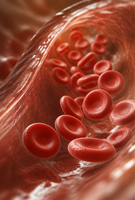
Mature erythrocytes (red blood cells) are highly specialized for efficient gas transport.
Biconcave Shape: 7.5 µm disc maximizes surface area for gas exchange.
Anucleate: Lack of nucleus and organelles increases hemoglobin content.
Spectrin Cytoskeleton: Provides flexibility, allowing RBCs to deform and pass through narrow capillaries.
Structure and Function of Hemoglobin
Hemoglobin (Hb) is the oxygen-carrying protein in erythrocytes, comprising 97% of their dry weight.
Globin: Four polypeptide chains (two alpha, two beta).
Heme Groups: Four pigment molecules, each with an Fe2+ iron atom that binds one O2 molecule.
Oxygen Capacity: Each erythrocyte contains ~250 million Hb molecules, carrying up to 1 billion O2 molecules.
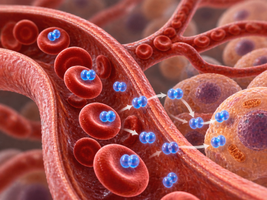
Oxygen Dynamics: Oxyhemoglobin vs. Deoxyhemoglobin
Oxyhemoglobin (Hb-O2): In lung capillaries, iron binds O2; blood appears ruby red.
Deoxyhemoglobin (HHb): In systemic tissues, O2 is released; blood appears maroon.
Oxygen Transport Capacity Calculation
Oxygen per dL:
Total capacity (5L):
Iron Deficiency: Reduces heme synthesis, lowering hemoglobin and oxygen-carrying capacity.
Erythropoiesis: Red Blood Cell Production
Erythropoiesis is the process of erythrocyte formation in red bone marrow, regulated by hormonal and nutritional factors.
Stages: Hemocytoblast → Proerythroblast → Erythroblast (hemoglobin synthesis, nucleus ejection) → Reticulocyte (enters blood, matures in 48 hours).
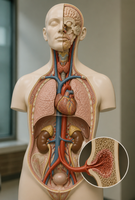
Hormonal Regulation: Erythropoietin (EPO) from kidneys stimulates erythrocyte production in response to hypoxia (low oxygen).
Negative Feedback: Increased RBCs restore oxygen, inhibiting further EPO release.
Nutritional Requirements for Erythropoiesis
Iron: Essential for heme synthesis; stored as ferritin/hemosiderin, transported by transferrin.
Vitamin B12 & Folic Acid: Required for DNA synthesis during rapid cell division.
Amino Acids: Needed for globin protein synthesis.
Erythrocyte Lifecycle and Recycling
Red blood cells have a lifespan of about 120 days. Due to their anucleate state, they cannot repair themselves and are recycled after aging.
Phagocytosis: Macrophages engulf aged RBCs.
Globin & Iron Reuse: Globin is broken down into amino acids; iron is salvaged and returned to the marrow.
Heme Breakdown: Heme is degraded to bilirubin, which is excreted by the liver via bile.
Clinical Correlates: Anemia and Polycythemia
Disorders of erythrocyte count or hemoglobin concentration can significantly impair blood function.
Anemia: Abnormally low oxygen-carrying capacity due to insufficient RBCs, low hemoglobin, or abnormal hemoglobin (e.g., sickle-cell anemia).
Polycythemia: Excess erythrocytes increase blood viscosity, slowing flow and straining the heart.
Summary
Blood maintains homeostasis through its physical properties, plasma composition, erythrocyte structure, and tightly regulated production and recycling. Disruptions in these processes can lead to clinical conditions affecting oxygen delivery and overall health.
