 뒤로
뒤로Cell Structure, Chemistry, and Organelles: Foundations of Anatomy & Physiology
스터디 가이드 - 스마트 노트
 자료에 맞춘 맞춤형 노트, 핵심 정의, 예시, 맥락을 확장해 제공합니다.
The Cell & Its Chemical Foundations
Overview of Cell Structure and Function
The cell is the fundamental unit of life, with over 200 types in the human body, each specialized for unique functions. Cell structure and biochemical composition determine cellular activities and overall organism function. - Cell Theory: All living things are composed of cells; cells arise from preexisting cells. - Cell Diversity: Cells vary in size, shape, and internal components, leading to functional specialization. 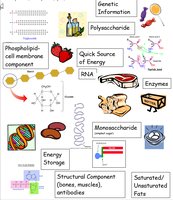
Chemistry Review: Atoms, Molecules, and Ions
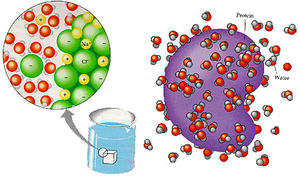
Understanding basic chemistry is essential for grasping cell structure and function. - Atoms: The smallest units of matter, composed of protons, neutrons, and electrons. - Molecules: Groups of atoms bonded together; water (H2O) is a key biological molecule. - Ions: Charged particles formed when atoms gain or lose electrons; important for cell signaling and membrane potential. - Electrolytes: Substances that dissociate into ions in solution, crucial for physiological processes. 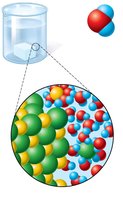
Organic Compounds: Synthesis and Hydrolysis
Carbon and Organic Molecules
Organic molecules are defined by the presence of carbon, which forms four covalent bonds and is unique to living systems. - Major Organic Compounds: Carbohydrates, lipids, proteins, nucleic acids. - Synthesis: Formation of larger molecules from smaller ones (anabolism). - Hydrolysis: Breakdown of molecules by addition of water (catabolism).
Carbohydrates
Carbohydrates are the body's primary source of energy and structural components. - Monosaccharides: Simple sugars (glucose, fructose, galactose, deoxyribose, ribose). - Disaccharides: Two monosaccharides linked (sucrose, maltose, lactose). - Polysaccharides: Long chains of monosaccharides (glycogen, starch). - Function: Energy storage and quick energy source. 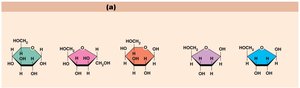
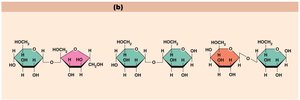
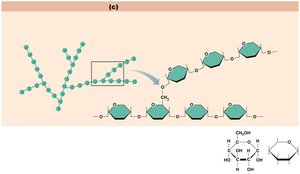
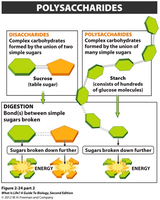
Digestion and Absorption of Carbohydrates and Proteins
In the small intestine, complex carbohydrates and proteins are broken down into monosaccharides and amino acids, which are absorbed into the bloodstream. - Enzymatic Digestion: Enzymes break down polysaccharides and proteins. - Absorption: Monosaccharides and amino acids are transported across epithelial cells. 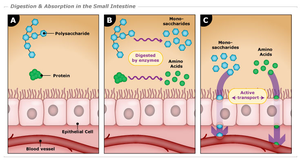
Lipids
Structure and Function of Lipids
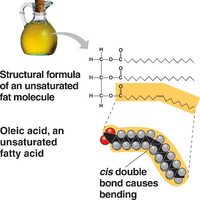
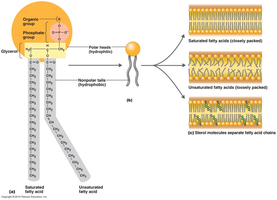
Lipids are hydrophobic molecules essential for energy storage, membrane structure, and signaling. - Triglycerides: Composed of glycerol and three fatty acids; main energy storage form. - Phospholipids: Modified triglycerides with a phosphate group; major component of cell membranes. - Saturated vs. Unsaturated Fats: Saturated fats have no double bonds; unsaturated fats have one or more, causing bends in the molecule. 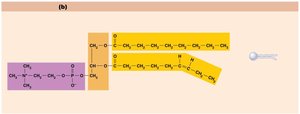
Proteins
Structure of Proteins
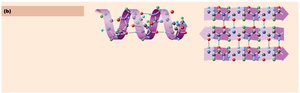
Proteins are polymers of amino acids, folded into complex structures that determine their function. - Primary Structure: Sequence of amino acids. - Secondary Structure: Alpha helices and beta sheets formed by hydrogen bonding. - Tertiary and Quaternary Structure: Further folding and assembly of polypeptide chains. - Functions: Enzymes, structural components, transport, signaling. 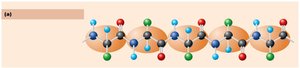
Nucleic Acids
DNA and RNA
Nucleic acids store and transmit genetic information. - DNA: Double helix composed of nucleotides (adenine, thymine, cytosine, guanine). - RNA: Single-stranded, involved in protein synthesis. - Function: Genetic information storage, protein synthesis. 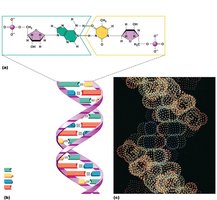
Cellular Organelles
Generalized Cell Structure
All human cells share common structures: plasma membrane, cytoplasm, and nucleus. - Plasma Membrane: Flexible boundary, regulates entry and exit of substances. - Cytoplasm: Contains organelles and cytosol. - Nucleus: Control center containing DNA. 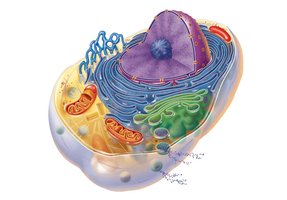
Cytoplasmic Organelles
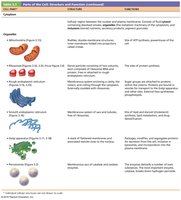
Organelles are specialized structures performing distinct cellular functions.
Organelle | Function |
|---|---|
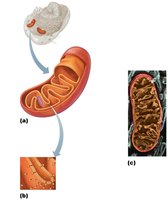
Mitochondria | ATP production via aerobic respiration |
Ribosomes | Protein synthesis |
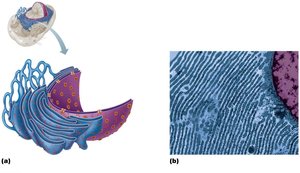
Endoplasmic Reticulum (ER) | Rough ER: protein synthesis; Smooth ER: lipid metabolism, detoxification |
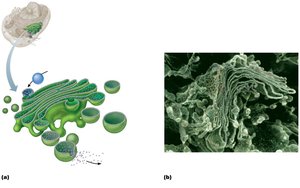
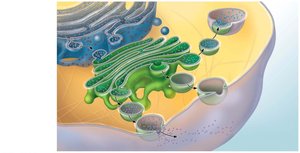
Golgi Apparatus | Modification, packaging, and sorting of proteins and lipids |
Lysosomes | Digestive enzymes, waste disposal |
Peroxisomes | Detoxification, fatty acid metabolism |
Cytoskeleton | Structural support, movement |
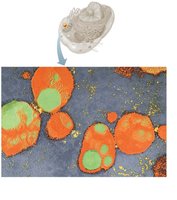
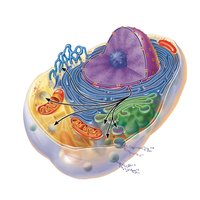
Cytoskeleton and Cell Movement
The cytoskeleton is a network of protein filaments providing structural support and enabling movement. - Microfilaments: Actin filaments, involved in cell shape and movement. - Intermediate Filaments: Provide mechanical strength. - Microtubules: Tubulin filaments, involved in intracellular transport and cell division.
Nucleus
Structure and Function of the Nucleus
The nucleus is the largest organelle, containing the genetic material and controlling cellular activities. - Nuclear Envelope: Double membrane with nuclear pores for transport. - Nucleoli: Sites of ribosomal RNA synthesis. - Chromatin: DNA-protein complex, condenses to form chromosomes during cell division.
Cell Reproduction
Mitosis and Cell Division
Cell reproduction occurs through mitosis, ensuring continuity of life and tissue growth. - Mitosis: Division of the nucleus into two genetically identical daughter cells. - Chromosomes: Condensed chromatin, visible during cell division.
Summary Table: Major Cell Organelles and Functions
Organelle | Structure | Function |
|---|---|---|
Mitochondria | Double membrane, cristae | ATP production |
Ribosomes | Protein and rRNA | Protein synthesis |
ER | Rough: ribosomes; Smooth: tubules | Protein and lipid synthesis |
Golgi Apparatus | Stacked sacs | Protein/lipid modification and sorting |
Lysosomes | Membranous sacs | Digestion, waste disposal |
Peroxisomes | Membranous sacs | Detoxification |
Nucleus | Envelope, nucleoli, chromatin | Genetic control |
Key Equations and Concepts
ATP Production (Cellular Respiration)
Hydrolysis of Disaccharides
Protein Structure
DNA Structure
Additional info:
- The notes expand on brief points to provide context for cell structure, chemistry, and organelle function, suitable for exam preparation in Anatomy & Physiology. - All included images directly reinforce the adjacent explanations and are essential for visualizing molecular and cellular structures.
