 뒤로
뒤로Chapter 17: Blood – Structure, Function, and Disorders
스터디 가이드 - 스마트 노트
 자료에 맞춘 맞춤형 노트, 핵심 정의, 예시, 맥락을 확장해 제공합니다.
Blood: Structure and Function
Functions of Blood
Blood is a vital fluid in the human body, responsible for multiple essential functions:
Transport: Blood carries oxygen (O2), carbon dioxide (CO2), nutrients, metabolic wastes, hormones, and heat throughout the body.
Protection: White blood cells (WBCs), antibodies, and platelets defend against infection and blood loss.
Regulation: Blood regulates fluid balance, pH buffering, and temperature.
Properties of Blood
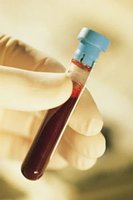
Blood possesses unique physical and chemical properties:
Temperature: 38°C (100.4°F)
pH: 7.35–7.45 (slightly alkaline)
Osmolarity: Total molar concentration of dissolved particles (sodium ions, proteins, RBCs). High osmolarity increases fluid absorption and blood pressure; low osmolarity leads to edema and decreased blood pressure.
Volume: 5–6 liters in males; 4.5 liters in females
Viscosity: Blood is about 5 times as viscous as water, affecting flow and resistance.
Oncotic Pressure
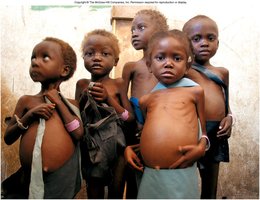
Oncotic pressure is a form of osmotic pressure exerted by plasma proteins, mainly albumin, which pulls water into the circulatory system. When pathologically low, as in kwashiorkor (starvation), blood pressure drops and edema occurs.
Hematopoiesis: Blood Cell Formation
Embryonic and Fetal Hematopoiesis
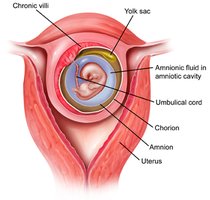
Blood cell formation begins in the embryo and fetus in the yolk sac, which produces stem cells that colonize the liver, bone marrow, spleen, and thymus.
Adult Hematopoiesis
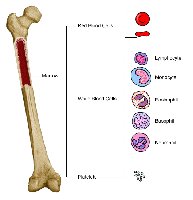
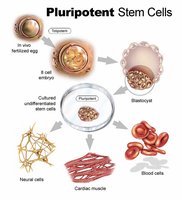
After birth, hematopoiesis occurs primarily in the red bone marrow, which contains pluripotent stem cells capable of differentiating into various blood cell types.
Stem Cell Lines
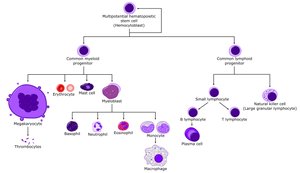
Pluripotent stem cells give rise to two main stem lines:
Myeloid line: Produces most blood cells in bone marrow
Lymphoid line: Produces lymphocytes in lymphatic organs
Blood Components
Hematocrit
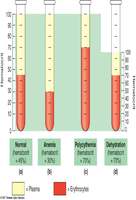
Hematocrit is the percentage of blood volume occupied by erythrocytes (RBCs). It is a key indicator of blood health and oxygen-carrying capacity.
Plasma Composition
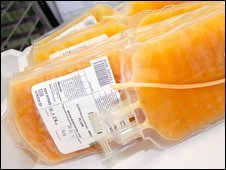
Plasma is the liquid portion of blood, consisting of water, proteins, and other solutes. Serum is plasma without fibrinogen.
Albumins: Most abundant; contribute to viscosity and osmolarity
Globulins: Antibodies; provide immune functions
Fibrinogen: Precursor to fibrin; helps form blood clots
Nitrogenous compounds: Amino acids and wastes (urea)
Nutrients: Glucose, vitamins, fats, minerals
Gases: O2 and CO2
Electrolytes: Essential ions for cellular function
Formed Elements
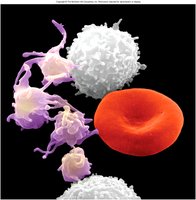
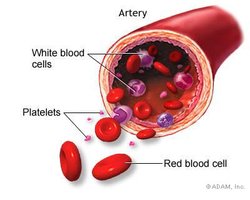
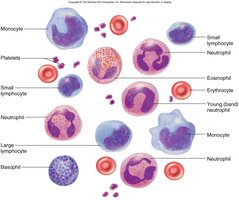
The formed elements of blood include:
Erythrocytes (RBCs): Transport oxygen and carbon dioxide
Leukocytes (WBCs): Immune defense
Platelets: Blood clotting
Erythrocytes (Red Blood Cells)
Structure and Function
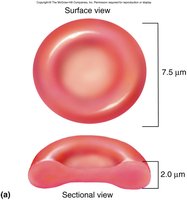
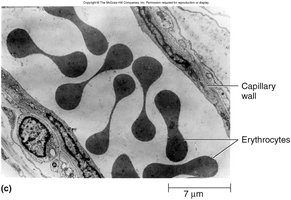
Erythrocytes are disc-shaped, anucleate cells with a biconcave shape, maximizing surface area for gas diffusion. They transport O2 and some CO2, and have a lifespan of about 120 days.
Biconcave shape: Increases surface area for gas exchange
Anucleate: No nucleus or organelles
Size: 7.5 μm diameter, just large enough to pass through capillaries
Hemoglobin Structure
Hemoglobin (Hb) is the main protein in RBCs, responsible for oxygen transport:
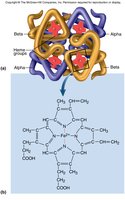
Composed of four globin chains (2 alpha, 2 beta)
Each chain has a heme group that binds oxygen to iron
One hemoglobin molecule can carry four O2 molecules
33% of RBC cytoplasm is hemoglobin
Gender Differences in RBCs
There are notable gender differences in hematocrit, hemoglobin, and RBC count, mainly due to androgens, menstrual losses, and body fat:
Hematocrit: Males 42–52%, Females 37–48%
Hemoglobin: Males 13–18 g/dL, Females 12–16 g/dL
RBC count: Males 4.6–6.2 million/μL, Females 4.2–5.4 million/μL
Erythropoiesis: RBC Production
Hormonal Regulation
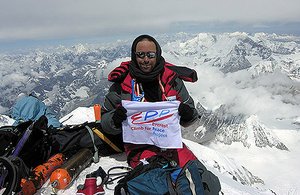
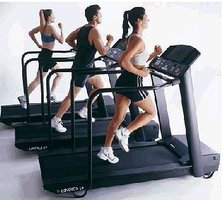
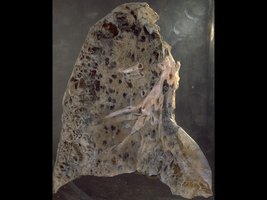
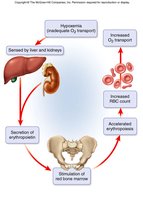
Erythropoietin (EPO) is the hormone that stimulates erythropoiesis, especially in response to increased exercise, low O2 levels (altitude or emphysema), or blood loss.
Negative Feedback Control
A drop in RBC count causes the kidneys to secrete EPO, which stimulates bone marrow to increase RBC production within 3–4 days.
Stages of Erythrocyte Production
RBC production involves several stages:
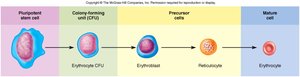
First committed cell: erythrocyte colony-forming unit (CFU) with EPO receptors
Erythroblasts multiply and synthesize hemoglobin
Nucleus is discarded to form a reticulocyte
Development takes 3–5 days; 2.5 million RBCs are produced per second
Nutritional Needs for Erythropoiesis
Key nutrients required for RBC production include:
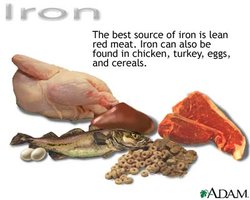
Iron: Essential for hemoglobin synthesis; stomach acid converts Fe3+ to absorbable Fe2+
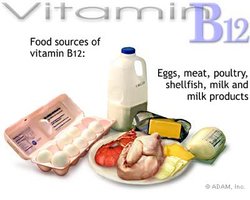
Vitamin B12: Requires intrinsic factor for absorption; found in animal products
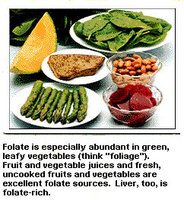
Folate (folic acid): Important for DNA synthesis; found in leafy greens and liver
The RBC Life Cycle
Lifecycle and Breakdown
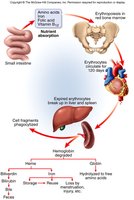
RBCs circulate for about 120 days before being broken down in the liver and spleen. Hemoglobin is degraded, and its components are recycled or excreted.
RBC Disorders
Polycythemia
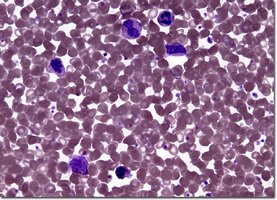
Polycythemia is an excess of RBCs, which can be primary (cancer of erythropoietic cell line) or secondary (dehydration, emphysema, high altitude, physical conditioning). It increases blood volume, pressure, and viscosity, raising the risk of embolism, stroke, or heart failure.
Anemia
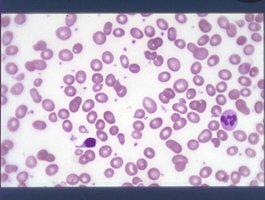
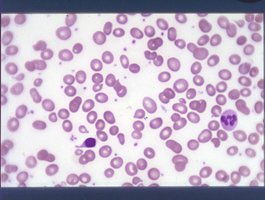
Anemia is a deficiency of RBCs or hemoglobin, caused by inadequate erythropoiesis, poor nutrition (vitamin B12 or iron deficiency), kidney failure, or aplastic anemia (complete cessation of blood cell production).
Effects of Anemia
Tissue hypoxia and necrosis: Shortness of breath, lethargy
Low blood osmolarity: Tissue edema
Low blood viscosity: Heart races, blood pressure drops
Sickle-Cell Disease
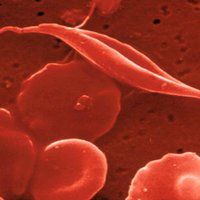
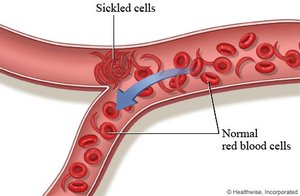
Sickle-cell disease is a hereditary defect in hemoglobin (HbS) common in African Americans. A single amino acid substitution causes RBCs to become sickle-shaped in low O2 conditions, leading to agglutination, blocked vessels, intense pain, and organ failure.
Sickle-Cell Trait
Individuals heterozygous for HbS (sickle-cell trait) have resistance to malaria, as HbS is indigestible to malaria parasites. This trait persists in populations where malaria is endemic.
