 뒤로
뒤로Chapter 17: Blood – Structure, Function, and Clinical Relevance
스터디 가이드 - 스마트 노트
 자료에 맞춘 맞춤형 노트, 핵심 정의, 예시, 맥락을 확장해 제공합니다.
Blood: Components and Functions
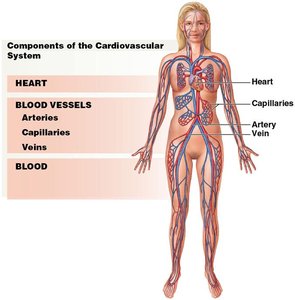
Overview of the Cardiovascular System
The cardiovascular system is composed of the heart, blood vessels (arteries, veins, capillaries), and blood. Blood is a fluid connective tissue essential for transporting substances throughout the body and maintaining homeostasis.
Arteries carry blood away from the heart.
Veins return blood to the heart.
Capillaries are sites of exchange with tissues.
Blood is the fluid connective tissue that circulates through these vessels.
Functions of Blood
Blood performs several critical functions in the body:
Transport of gases (O2, CO2), nutrients, hormones, and metabolic wastes.
Regulation of pH and ion composition of interstitial fluids.
Restriction of fluid losses at injury sites (clotting).
Defense against toxins and pathogens (immune response).
Stabilization of body temperature.
Physical Characteristics of Blood
Temperature: 38ºC (100.4ºF), slightly above normal body temperature.
Viscosity: 5x more viscous than water.
pH: Slightly alkaline (7.35–7.45).
Volume: 7% of body weight; 5–6 L in adult males, 4–5 L in adult females.
Composition of Blood
Whole Blood: Plasma and Formed Elements
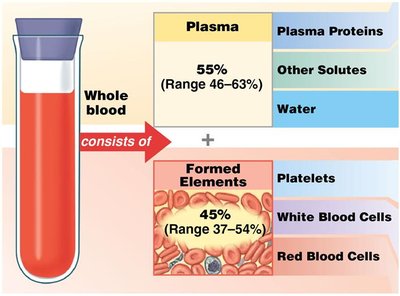
Blood consists of plasma (fluid) and formed elements (cells and cell fragments).
Plasma: 55% of blood volume; contains water, proteins, and solutes.
Formed Elements: 45% of blood volume; includes red blood cells, white blood cells, and platelets.
Plasma
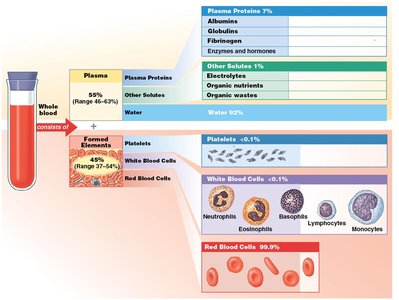
Plasma is the liquid component of blood, similar in composition to interstitial fluid.
92% water
7% plasma proteins (albumins, globulins, fibrinogen, enzymes, hormones)
1% other solutes (electrolytes, organic nutrients, wastes)
Plasma Proteins
Albumins (60%): Maintain osmotic pressure, transport fatty acids and hormones.
Globulins (35%): Include antibodies (immunoglobulins) and transport proteins.
Fibrinogen (4%): Functions in blood clotting; converted to fibrin.
Other proteins (1%): Enzymes and hormones.
Most plasma proteins are synthesized in the liver, except antibodies (produced by plasma cells) and peptide hormones (produced by endocrine organs).
Formed Elements of Blood
Overview of Blood Cells
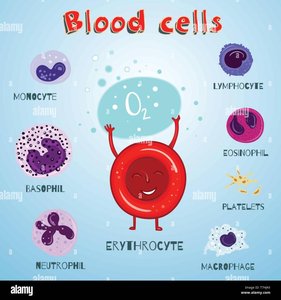
Formed elements include erythrocytes (red blood cells), leukocytes (white blood cells), and platelets.
Red blood cells (RBCs): 99% of formed elements; transport oxygen.
White blood cells (WBCs): Immune defense.
Platelets: Cell fragments involved in clotting.
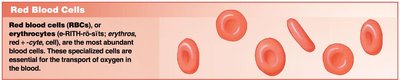
Red Blood Cells (Erythrocytes)
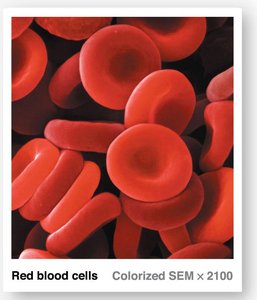
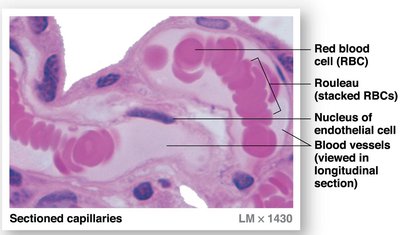
RBCs are specialized for oxygen transport and make up the majority of blood cells.
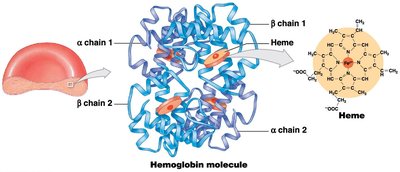
Contain hemoglobin, which binds O2 and CO2.
Normal count: 4.5–6.3 million/μL (males), 4.2–5.5 million/μL (females).
Hematocrit: Percentage of RBCs in blood (46% males, 42% females).
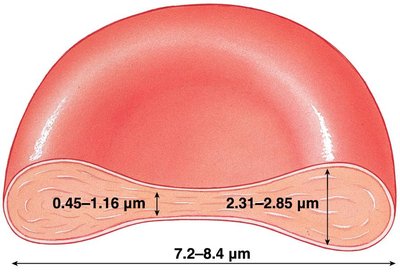
Biconcave shape increases surface area for gas exchange.
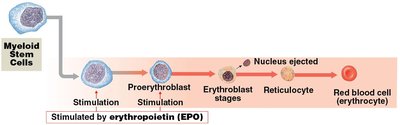
Mature RBCs lack nucleus and ribosomes; lifespan ~120 days.
Hemoglobin Structure and Function
Hemoglobin is a protein with four subunits, each containing a heme group with iron that binds oxygen.
Normal hemoglobin: 14–18 g/dL (males), 12–16 g/dL (females).
Fetal hemoglobin binds oxygen more readily than adult hemoglobin.
Anemia results from reduced hematocrit or hemoglobin, impairing oxygen delivery.
RBC Formation and Recycling
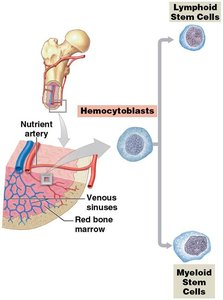
RBCs are produced in red bone marrow through erythropoiesis, stimulated by erythropoietin (EPO). Old RBCs are recycled by macrophages in the spleen, liver, and bone marrow.
Iron from heme is recycled; bilirubin is excreted in bile.
Jaundice results from bilirubin buildup.
Blood Types and Compatibility
Blood Type Determination
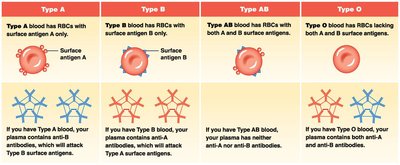
Blood types are based on surface antigens (A, B, Rh) present on RBCs.
Type A: Antigen A
Type B: Antigen B
Type AB: Antigens A and B
Type O: Neither antigen
Rh positive: Rh antigen present
Rh negative: Rh antigen absent
Agglutinogens and Agglutinins
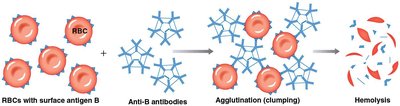
Agglutinogens are surface antigens; agglutinins are antibodies in plasma that react with foreign antigens, causing agglutination (clumping).
Type A: Anti-B antibodies
Type B: Anti-A antibodies
Type AB: No anti-A or anti-B antibodies
Type O: Both anti-A and anti-B antibodies
Rh−: Only sensitized Rh− blood has anti-Rh antibodies
Hemolytic Disease of the Newborn
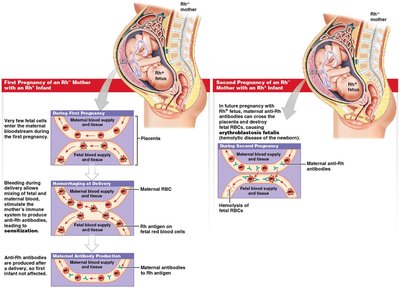
Occurs when an Rh− mother carries an Rh+ fetus. Maternal anti-Rh antibodies can cross the placenta and attack fetal RBCs in subsequent pregnancies.
Prevented by administering RhoGAM to the mother.
White Blood Cells (Leukocytes)
Types and Functions of WBCs
WBCs defend against pathogens, remove toxins, and attack abnormal cells. Five main types exist, each with distinct functions.
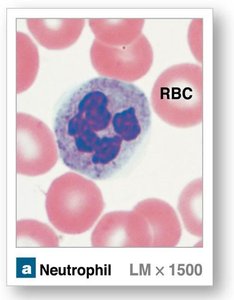
Neutrophils: Phagocytize bacteria; most abundant.
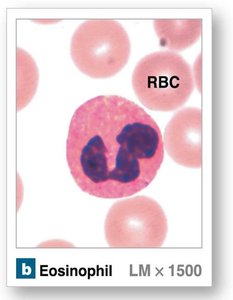
Eosinophils: Attack parasites, involved in allergic responses.
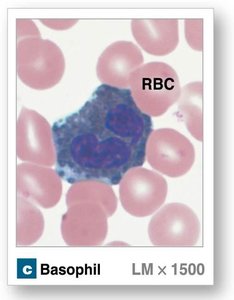
Basophils: Release histamine and heparin; allergic response.
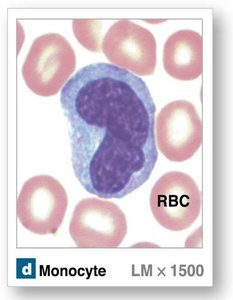
Monocytes: Become macrophages; engulf pathogens.
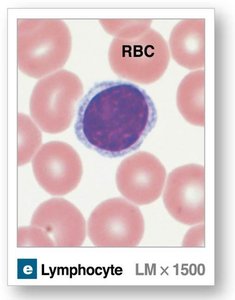
Lymphocytes: Adaptive immunity; B and T cells.
WBC Disorders
Leukopenia: Low WBC count.
Leukocytosis: High WBC count.
Leukemia: Cancer of WBCs; extreme leukocytosis.
Platelets and Blood Clotting
Platelets (Thrombocytes)
Platelets are cell fragments essential for blood clotting. They circulate for 9–12 days and are stored in organs like the spleen.
Normal count: 150,000–500,000/μL
Mobilized during circulatory crisis

Hemostasis and Clotting Mechanisms
Hemostasis is the process of stopping blood loss. It involves three phases:
Vascular phase: Vascular spasm and release of chemicals.
Platelet phase: Platelets adhere to exposed collagen and endothelium.
Coagulation phase: Fibrinogen is converted to fibrin, forming a clot.
Calcium and vitamin K are essential for clotting. Thrombin forms a positive feedback loop to accelerate clotting.
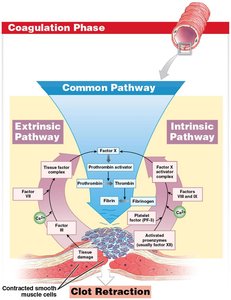
Clot Retraction and Fibrinolysis
Clot retraction pulls vessel edges together, stabilizing the injury site.
Fibrinolysis dissolves the clot after repair is complete.
Anticoagulants (e.g., antithrombin-III, heparin) regulate clotting.
Blood Disorders
Thrombocytopenia: Low platelet count.
Hemophilia: Deficiency of clotting factors.
Thrombophilia: Excessive clot formation (e.g., DVT).
Sickle cell anemia: Abnormal hemoglobin; RBCs break down easily.
Thalassemias: Inability to produce functional hemoglobin subunits.
Blood Infections and Cancers
Bacteremia: Bacteria circulate in blood.
Sepsis: Bacteria multiply and produce toxins in blood.
Viremia: Viruses circulate in blood.
Malaria: Parasitic infection affecting RBCs.
Leukemias: Cancers of blood-forming tissues; myeloid and lymphoid types.
Blood Collection and Testing
Obtaining Blood Samples
Venipuncture: Blood drawn from superficial veins (e.g., median cubital vein).
Veins are easier to locate and have lower pressure than arteries.
Blood Typing Table
The following table summarizes blood types, antigens, and antibodies:
Blood Type | Surface Antigens | Plasma Antibodies |
|---|---|---|
Type A | A | Anti-B |
Type B | B | Anti-A |
Type AB | A, B | None |
Type O | None | Anti-A, Anti-B |
Additional info: Universal donor is Type O−; universal recipient is Type AB+.
Blood Typing Test Results Table
Anti-A | Anti-B | Anti-Rh | Blood Type |
|---|---|---|---|
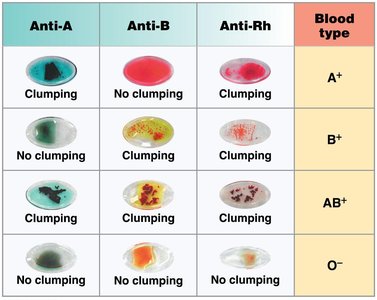
Clumping | No clumping | Clumping | A+ |
No clumping | Clumping | Clumping | B+ |
Clumping | Clumping | Clumping | AB+ |
No clumping | No clumping | No clumping | O− |
Summary Table: Blood Cell Types
Cell Type | Main Function |
|---|---|
Erythrocyte (RBC) | Oxygen transport |
Platelet | Clotting |
Neutrophil | Phagocytosis of bacteria |
Eosinophil | Attack parasites, allergic response |
Basophil | Release histamine, heparin |
Monocyte | Become macrophages, engulf pathogens |
Lymphocyte | Adaptive immunity |
