 뒤로
뒤로Chapter 2: The Chemistry of Life – Study Notes for Anatomy & Physiology
스터디 가이드 - 스마트 노트
 자료에 맞춘 맞춤형 노트, 핵심 정의, 예시, 맥락을 확장해 제공합니다.
The Chemistry of Life
Introduction
Chemistry is fundamental to understanding Anatomy & Physiology because all physiological processes are based on chemical interactions. The organization of the body begins at the chemical level, and the study of chemistry helps explain how matter and energy interact within living organisms.
Atoms and Elements
Basic Definitions
Matter: Anything that has mass and occupies space.
Chemistry: The study of matter and its interactions.
Atom: The smallest unit of matter that retains the properties of an element.
Element: A substance composed of one type of atom; cannot be broken down by chemical means.
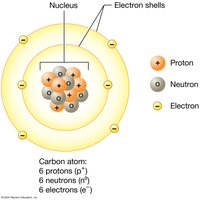
Atoms consist of a nucleus (containing protons and neutrons) and electron shells.
The Periodic Table
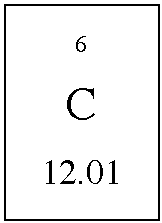
The periodic table organizes elements by atomic number and properties. Each element is represented by a symbol, atomic number, and atomic mass.
Matter Combined: Mixtures and Chemical Bonds
Mixtures vs. Compounds
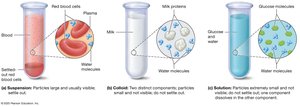
Mixture: Physical combination of two or more substances; components retain their original properties and can be separated physically.
Molecule: Two or more atoms held together by chemical bonds; properties differ from original atoms.
Compound: Molecule composed of two or more different elements; can only be separated by chemical means.
Chemical Bonds
Types of Chemical Bonds
Ionic Bonds: Formed when electrons are transferred from one atom to another, resulting in oppositely charged ions that attract each other.
Covalent Bonds: Formed when two atoms share one or more pairs of electrons.
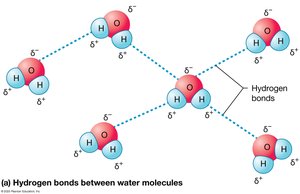
Hydrogen Bonds: Weak attractions between partially positive hydrogen atoms and partially negative atoms (often oxygen or nitrogen).
Electrons and Valence Shells
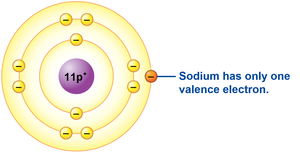
Atoms interact to achieve stable electron configurations, often by filling their outermost (valence) shells.
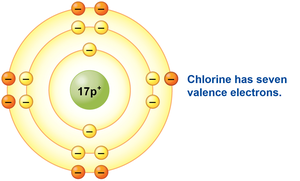
Ionic Bonds Example: Sodium and Chlorine
Sodium donates an electron to chlorine, forming Na+ and Cl- ions, which attract each other to form sodium chloride (table salt).
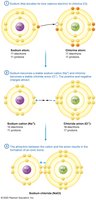
Covalent Bonds Example: Hydrogen Molecule
Hydrogen atoms share electrons to fill their valence shells, forming a stable H2 molecule.
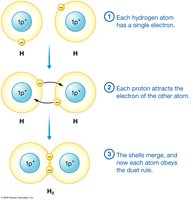
Covalent Bonds: Single, Double, and Triple Bonds
Single Bond: One pair of electrons shared (e.g., H2).
Double Bond: Two pairs of electrons shared (e.g., O2).
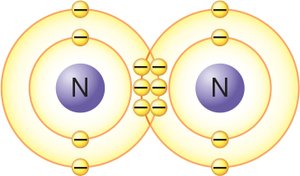
Triple Bond: Three pairs of electrons shared (e.g., N2).
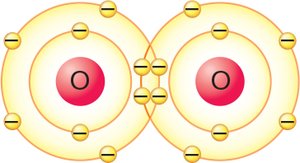
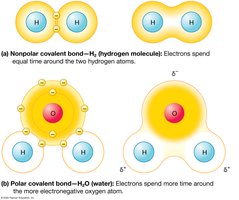
Nonpolar vs. Polar Covalent Bonds
Nonpolar Covalent Bond: Electrons are shared equally between atoms (e.g., H2).
Polar Covalent Bond: Electrons are shared unequally, resulting in partial charges (e.g., H2O).
Hydrogen Bonds
Hydrogen bonds are important in stabilizing the structures of proteins and nucleic acids, and in giving water its unique properties.
Chemical Reactions
Types of Chemical Reactions
Anabolic (Synthesis) Reactions: Build larger molecules from smaller ones; generally require energy (endergonic).
Catabolic (Decomposition) Reactions: Break down larger molecules into smaller ones; generally release energy (exergonic).
Exchange Reactions: Atoms or electrons are exchanged between reactants.
Redox (Oxidation-Reduction) Reactions: Involve the transfer of electrons; one reactant is oxidized (loses electrons), the other is reduced (gains electrons).
Chemical Notation and Equations
Reactants: Starting materials (left side of equation).
Products: Ending materials (right side of equation).
Chemical Equation: Shows the formation and breaking of bonds using symbols and formulas.
Energy in Chemical Reactions
Types of Energy
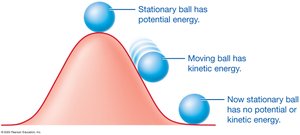
Potential Energy: Stored energy due to position or structure.
Kinetic Energy: Energy of motion.
Activation Energy and Enzymes
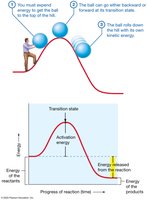
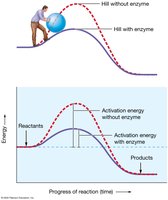
Activation energy is the minimum energy required to start a chemical reaction. Enzymes are biological catalysts that lower activation energy, increasing the rate of reactions without being consumed.
Enzyme Mechanism of Action
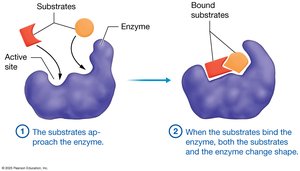
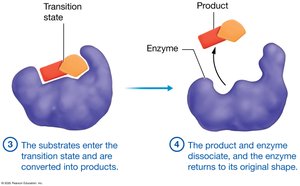
Enzymes bind substrates at their active site, undergo a conformational change (induced fit), and facilitate the conversion of substrates to products.
Inorganic Compounds: Water, Acids, Bases, and Salts
Water
Makes up 50-65% of body mass.
Absorbs and carries heat, cushions and lubricates, and is the primary solvent in the body.
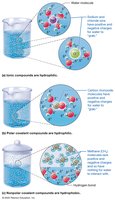
Dissolves hydrophilic (water-loving) substances but not hydrophobic (water-hating) substances.
Acids and Bases
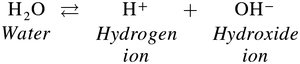
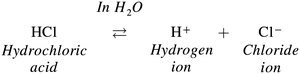
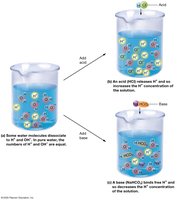
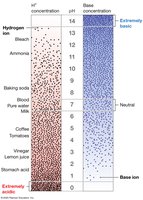
Acid: Proton (H+) donor; increases H+ concentration in solution.
Base: Proton acceptor; decreases H+ concentration in solution.
pH Scale: Measures hydrogen ion concentration; 7 is neutral, below 7 is acidic, above 7 is basic.
Buffers
Buffers resist changes in pH by absorbing or releasing H+. The carbonic acid–bicarbonate system is a major buffer in blood.

Organic Compounds
Hydrocarbons
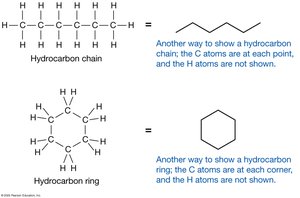
Hydrocarbons are organic molecules consisting only of carbon and hydrogen, forming chains or rings that serve as the backbone for more complex molecules.
Monomers and Polymers
Monomer: Single subunit that can be joined to form polymers.
Polymer: Large molecule made of many monomers.
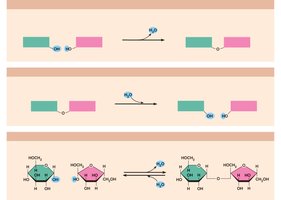
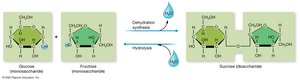
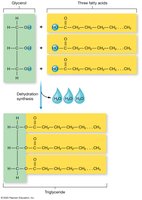
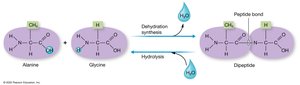
Dehydration Synthesis: Joins monomers by removing water.
Hydrolysis: Breaks polymers by adding water.
Carbohydrates
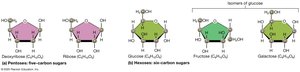
Composed of carbon, hydrogen, and oxygen (1:2:1 ratio).
Monosaccharides: Simple sugars (e.g., glucose, fructose).
Disaccharides: Two monosaccharides joined (e.g., sucrose, lactose).
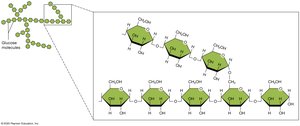
Polysaccharides: Long chains of monosaccharides (e.g., glycogen, starch).
Lipids
Composed mainly of carbon and hydrogen; nonpolar and hydrophobic.
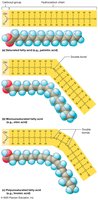
Fatty Acids: Saturated (no double bonds), monounsaturated (one double bond), polyunsaturated (multiple double bonds).
Triglycerides: Three fatty acids linked to glycerol; energy storage.
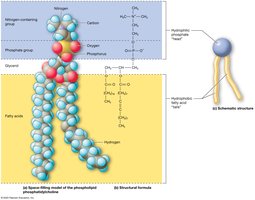
Phospholipids: Glycerol, two fatty acids, and a phosphate group; major component of cell membranes.
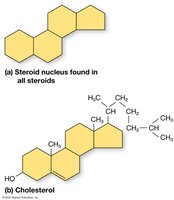
Steroids: Four-ring structure; includes cholesterol and hormones.
Proteins
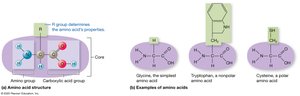
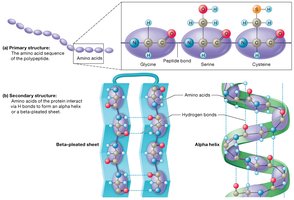
Composed of amino acids (monomers) containing carbon, hydrogen, oxygen, nitrogen, and sometimes sulfur.
Peptide Bonds: Link amino acids via dehydration synthesis.
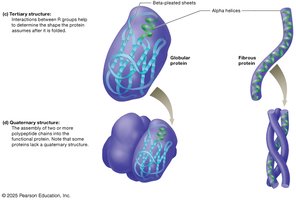
Levels of Structure:
Primary: Amino acid sequence
Secondary: Alpha helices and beta-pleated sheets
Tertiary: 3D folding
Quaternary: Multiple polypeptide chains
Denaturation: Loss of structure and function due to heat, pH, or chemicals.
Nucleotides and Nucleic Acids
Nucleotides: Monomers composed of a nitrogenous base, five-carbon sugar, and phosphate group.
Nucleic Acids: DNA (deoxyribonucleic acid) and RNA (ribonucleic acid) store and transmit genetic information.
ATP (Adenosine Triphosphate): Main energy currency of the cell; produced from ADP and phosphate using energy from food.
DNA: Double helix, stores genetic code, uses A, T, C, G bases.
RNA: Single strand, uses A, U, C, G bases, involved in protein synthesis.
