 뒤로
뒤로Endocrine Physiology: Thyroid, Blood Glucose, Hormone Therapy, and HPA Axis (A&P II: PhysioEx Exercise 4)
스터디 가이드 - 스마트 노트
 자료에 맞춘 맞춤형 노트, 핵심 정의, 예시, 맥락을 확장해 제공합니다.
Endocrine System Physiology
Thyroid Metabolism
The thyroid gland plays a crucial role in regulating metabolic rate through the secretion of thyroid hormones. The hypothalamus releases thyrotropin-releasing hormone (TRH), which stimulates the anterior pituitary to release thyroid-stimulating hormone (TSH). TSH then acts on the thyroid gland to produce thyroid hormones such as thyroxine, which affect target cells throughout the body.
Thyrotropin-releasing hormone (TRH): Produced by the hypothalamus; stimulates the anterior pituitary.
Thyroid-stimulating hormone (TSH): Produced by the anterior pituitary; stimulates the thyroid gland.
Thyroid hormones (e.g., thyroxine): Increase metabolic rate in target cells.
Negative feedback: High levels of thyroid hormones inhibit TRH and TSH release.
Experimental Design
Three rat models are used to study thyroid metabolism: normal, thyroidectomized (no thyroid), and hypophysectomized (no pituitary). Metabolic rate is measured under baseline conditions and after injections of thyroxine, TSH, and propylthiouracil (PTU).
Metabolic Rate Formula:
Thyroxine injection: Increases metabolic rate in all rats.
TSH injection: Increases metabolic rate and may cause goiter in normal and thyroidectomized rats.
PTU injection: Decreases metabolic rate and may cause goiter in normal rats.
Blood Glucose Regulation
Glucose Homeostasis
Blood glucose levels are tightly regulated by the hormones insulin and glucagon, both produced by the pancreas. The liver acts as a storage site for glycogen, which can be converted to glucose as needed.
Insulin: Released when blood sugar rises; promotes conversion of glucose to glycogen, lowering blood sugar.
Glucagon: Released when blood sugar falls; promotes conversion of glycogen to glucose, raising blood sugar.
Diabetes Mellitus
Type 1 Diabetes: Pancreas does not produce enough insulin.
Type 2 Diabetes: Cells do not respond to insulin (insulin resistance).
Experimental Methodology: Optical Density and Standard Curve
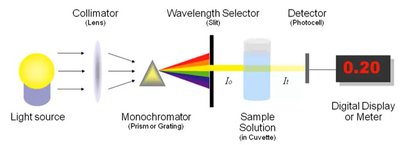
Blood glucose concentration is measured using a colorimetric assay, where an enzyme metabolizes glucose to produce a colored product. The optical density (OD) of the sample is proportional to glucose concentration.
Standard curve: Used to determine unknown glucose concentrations by comparing OD values to known standards.
Linear regression formula: (where y = OD, x = glucose concentration).
Fasting Glucose Levels
Fasting Plasma Glucose Levels (mg/dL) | Condition |
|---|---|
<100 | Normal |
110 – 126 | Borderline Impairment |
>126 | Diabetes Mellitus |
Hormone Replacement Therapy and Bone Health
Estrogen and Bone Growth
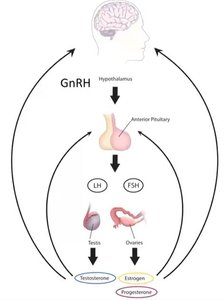
Estrogen is essential for bone growth and maintenance. Osteoporosis is characterized by decreased bone mass and increased risk of fractures. Ovariectomized rats (lacking estrogen) are used to model osteoporosis.
T score: Measure of bone strength; normal (-0.99 to +1.0), osteopenia (-2.49 to -1.0), osteoporosis (≤2.5).
Estrogen therapy: Inhibits osteoclasts and stimulates osteoblasts, improving bone strength.
Calcitonin therapy: Lowers blood Ca2+ levels, inhibits Ca2+ absorption in the gut, increases Ca2+ excretion in urine, and inhibits osteoclasts.
Treatment | Condition (T score) |
|---|---|
Control (no treatment) | -2.81 to -2.85 |
Estrogen Therapy | -1.52 to -1.74 (improvement) |
Calcitonin Therapy | -2.05 to -2.35 (slight improvement) |
Hypothalamic-Pituitary-Adrenal (HPA) Axis
HPA Axis Function
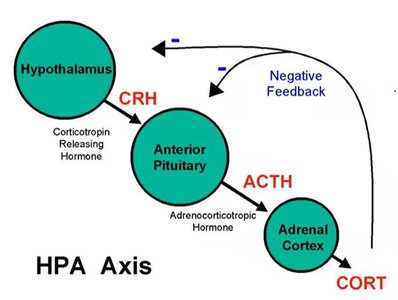
The HPA axis regulates the body's response to stress through the release of cortisol. The hypothalamus releases corticotropin-releasing hormone (CRH), which stimulates the anterior pituitary to release adrenocorticotropic hormone (ACTH). ACTH acts on the adrenal cortex to produce cortisol, which exerts negative feedback on both the hypothalamus and pituitary.
CRH: Corticotropin-releasing hormone from hypothalamus.
ACTH: Adrenocorticotropic hormone from anterior pituitary.
CORT: Cortisol from adrenal cortex.
Negative feedback: High cortisol inhibits CRH and ACTH release.
Experimental Methodology: HPLC
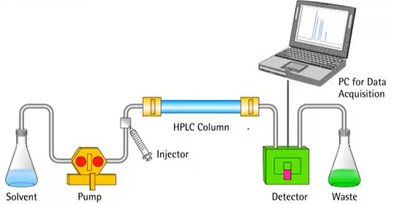
High-performance liquid chromatography (HPLC) is used to measure cortisol and ACTH levels. HPLC separates components based on size, affinity, charge, and polarity, allowing for precise quantification of hormones in biological samples.
Cortisol/ACTH Disorders
Disorder | Cortisol Level | ACTH Level |
|---|---|---|
Cushing’s Syndrome | High | Low |
Cushing’s Disease | High | High |
Addison’s Disease | Low | High |
Secondary Adrenal Insufficiency | Low | Low |
Cushing’s Syndrome: Due to adrenal tumor or steroid use; high cortisol, low ACTH.
Cushing’s Disease: Due to pituitary tumor; high cortisol, high ACTH.
Addison’s Disease: Destruction of adrenal cortex; low cortisol, high ACTH.
Secondary Adrenal Insufficiency: Damage to pituitary; low cortisol, low ACTH.
Example: A patient with high cortisol and low ACTH likely has Cushing’s Syndrome, while high cortisol and high ACTH suggests Cushing’s Disease.
