 뒤로
뒤로Introduction to Human Physiology: Core Concepts and Homeostasis
스터디 가이드 - 스마트 노트
 자료에 맞춘 맞춤형 노트, 핵심 정의, 예시, 맥락을 확장해 제공합니다.
Introduction to Anatomy & Physiology
Anatomy: Study of Structure
Anatomy is the scientific study of the structure of living organisms, focusing on the physical relationships among body parts. It is divided into gross (macroscopic) anatomy, which examines large structures visible to the naked eye, and microscopic anatomy, which studies structures at the cellular level.
Gross Anatomy: Includes organs, tissues, and systems visible without magnification.
Microscopic Anatomy: Examines cells and tissues using microscopes.
Physiology: Study of Function
Physiology explores the functions and mechanisms occurring within living organisms. Human physiology focuses on how bodily systems operate and interact to sustain life.
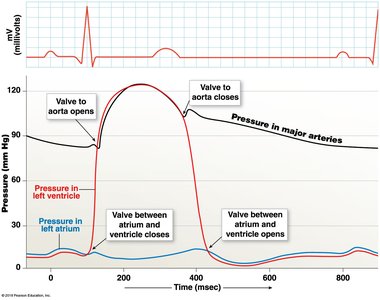
Electrical Events in the Heart: The heart generates electrical signals that coordinate the pumping of blood.
Red Blood Cells: Carry oxygen via hemoglobin, enabling cellular respiration.
Integration of Physiological Processes
Organ System Communication
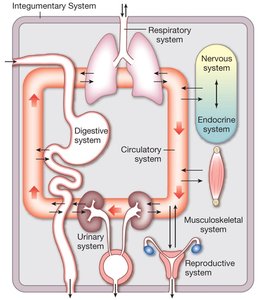
Physiological processes involve the integration and communication between organ systems. This ensures coordinated responses to internal and external changes.
Example: Blood pressure regulation affects kidney function.
Example: Hormones released by the endocrine system influence heart rate.
Themes in Physiology
Structure and Function
Structure and function are closely related in physiology. The arrangement of molecules and cells determines their functional capabilities.
Molecular Interactions: Molecules interact to create cellular functions.
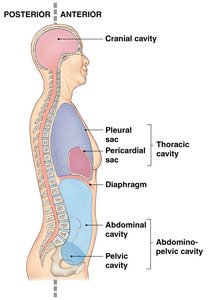
Compartmentation: Organs are separated into body cavities; cells are compartmentalized by membranes.
Energy Requirement
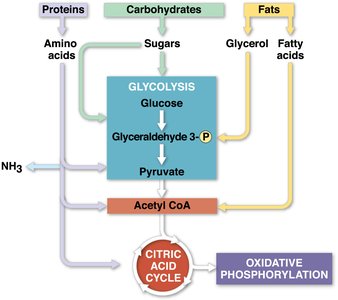
Living organisms require energy for growth, repair, and reproduction. Energy is obtained from food molecules through metabolic pathways.
Metabolism: The sum of all chemical reactions in the body that convert food into energy.
Information Flow
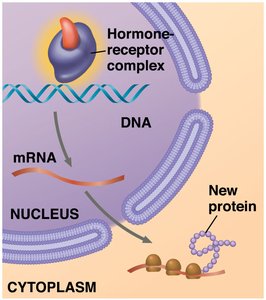
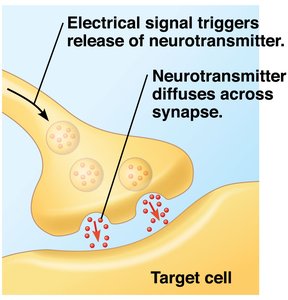
Information flow coordinates body functions through genetic and cellular signaling mechanisms.
Central Dogma: DNA is transcribed to mRNA, which is translated into protein.
Cell Signaling: Chemical and electrical signals facilitate communication within the body.
Homeostasis
Definition and Importance
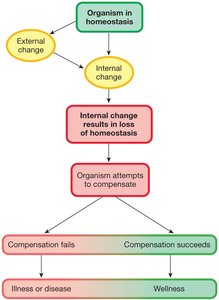
Homeostasis is the body's ability to maintain a relatively stable internal environment. It is a dynamic process regulated by physiological control systems.
Homeostatic Variables: Body temperature, blood pressure, plasma glucose concentration.
Pathophysiology: Study of disease states resulting from disrupted homeostasis.
Internal Environment
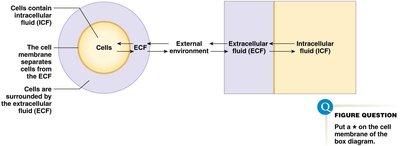
The internal environment consists of the extracellular fluid (ECF) outside cells and the intracellular fluid (ICF) within cells.
ECF: Aqueous environment outside cells.
ICF: Fluid inside cells.
Mass Balance
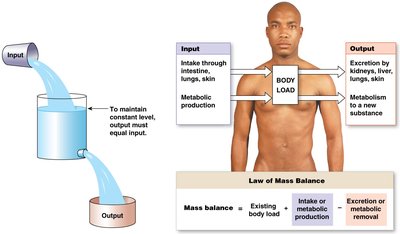
Homeostasis depends on mass balance, where any gain must be offset by an equal loss. The amount of a substance in the body is referred to as the body’s load.
Example: Water and sodium load regulation.
Steady State vs. Equilibrium
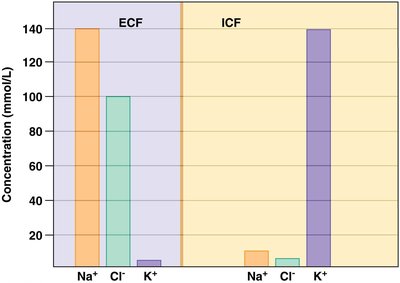
Homeostasis maintains a stable state, not equilibrium. The ECF and ICF exist in a state of disequilibrium, with different compositions.
Steady State: Stable composition of bodily fluids.
Disequilibrium: ECF and ICF have different ion concentrations.
Control Systems and Homeostasis
Regulated Variables
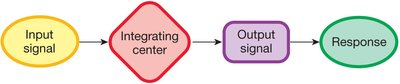
Physiological control systems monitor and adjust regulated variables such as blood pressure, body temperature, and blood sugar.
Regulation: Achieved through feedback mechanisms.
Local Control
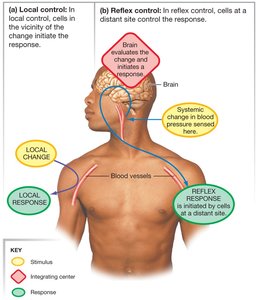
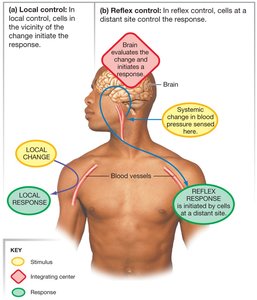
Local control occurs when a cell or tissue senses a change in its immediate environment and responds. The response is restricted to the local region.
Example: Paracrines increase blood flow to active tissue.
Reflex Pathways
Systemic changes require complex control pathways coordinated by the nervous and endocrine systems. Reflex pathways involve a response loop and a feedback loop.
Response Loop: Includes stimulus, sensor, integrating center, and target.
Feedback Loop: Modulates the response loop.
Feedback Mechanisms
Negative Feedback Loop
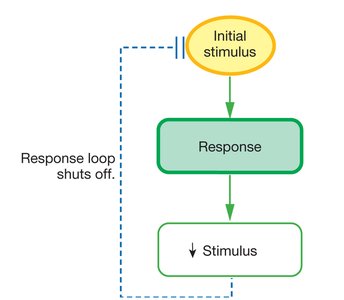
Negative feedback loops are essential for homeostasis. The response counteracts the original stimulus, maintaining stability.
Example: High heart rate triggers a negative feedback loop to lower heart rate.
Example: Low plasma glucose triggers a negative feedback loop to increase glucose.
Positive Feedback Loop
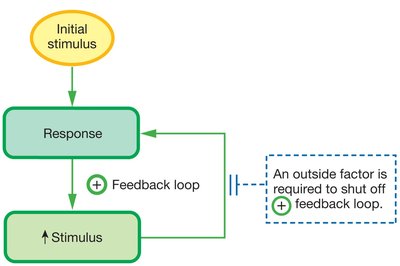
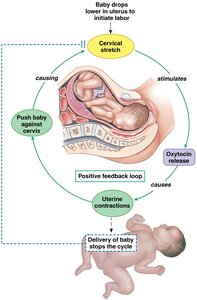
Positive feedback loops reinforce the stimulus, moving the variable further from the set-point. These are not homeostatic and require outside factors to shut off the cycle.
Example: Hormonal events during childbirth (oxytocin release).
Example: Cytokine storm during immune response.
Biological Rhythms
Definition and Examples
Biological rhythms are predictable pattern changes in physiological variables or set points. They are essential for maintaining homeostasis over time.
Example: Body temperature fluctuations.
Example: Plasma cortisol levels.
