 뒤로
뒤로Other Endocrine Glands and Hormone Physiology: Mini-Textbook Study Notes
스터디 가이드 - 스마트 노트
 자료에 맞춘 맞춤형 노트, 핵심 정의, 예시, 맥락을 확장해 제공합니다.
Other Endocrine Glands
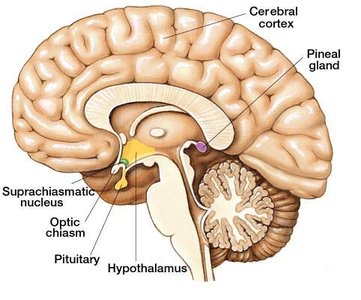
Pineal Gland
The pineal gland is a small endocrine organ located in the brain, responsible for regulating circadian rhythms and possibly the timing of puberty. It produces serotonin during the day and converts it to melatonin at night.
Peak secretion: Ages 1-5; decreases by 75% at puberty.
Melatonin: Regulates sleep-wake cycles; increased in Seasonal Affective Disorder (SAD) and PMS; decreased by phototherapy.
Clinical relevance: Melatonin is associated with depression, sleepiness, irritability, and carbohydrate craving.
Thymus
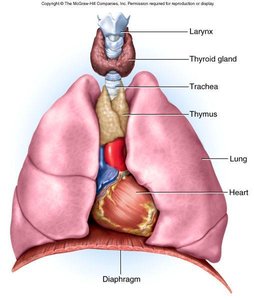
The thymus is located in the mediastinum, superior to the heart. It is essential for immune function, particularly in early life, and shrinks after puberty.
Function: Secretes hormones that regulate the development of T-cells (critical for adaptive immunity).
Parathyroid Glands
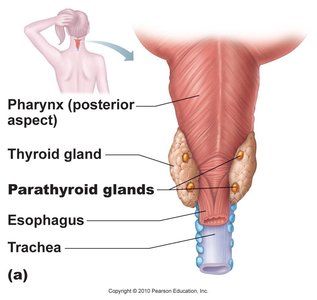
The parathyroid glands are small glands located on the posterior aspect of the thyroid gland. They regulate calcium homeostasis in the body.
PTH (Parathyroid Hormone): Released in response to low blood Ca2+ levels.
Effect: Increases Ca2+ in blood by stimulating bone resorption, increasing intestinal absorption, and reducing renal excretion.
Pancreas
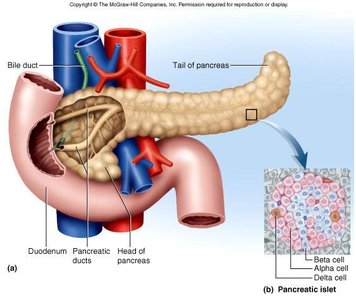
The pancreas is a retroperitoneal organ, inferior and dorsal to the stomach. It has both endocrine and exocrine functions.
Islets of Langerhans: Cell clusters that produce hormones (2% of pancreatic tissue).
Exocrine function: 98% of the organ produces digestive enzymes.
Pancreatic Hormones
Insulin (β cells): Secreted after meals; lowers blood glucose by stimulating glucose and amino acid uptake; antagonizes glucagon.
Glucagon (α cells): Secreted during fasting or low carbohydrate intake; raises blood glucose by stimulating glycogen breakdown and fat catabolism; antagonizes insulin.
Diabetes Mellitus
Diabetes mellitus is characterized by hyposecretion or resistance to insulin, resulting in elevated blood glucose levels.
Symptoms: Polyuria (excessive urination), polydipsia (excessive thirst), polyphagia (excessive hunger), hyperglycemia, glycosuria, ketonuria, osmotic diuresis.
Pathophysiology: Increased glucose in urine draws water into urine by osmosis.
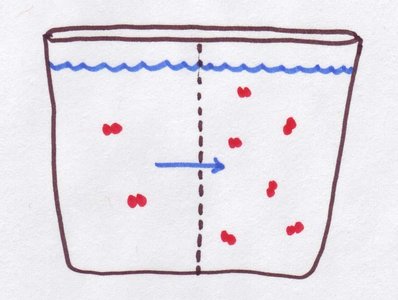
Type I Diabetes Mellitus
Formerly: Insulin Dependent Diabetes Mellitus (IDDM).
Etiology: Autoimmune destruction of β cells; diagnosed around age 12.
Treatment: Diet, exercise, blood glucose monitoring, periodic insulin injections.

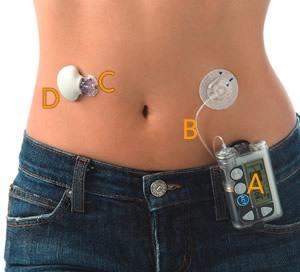
Type II Diabetes Mellitus
Formerly: Non-Insulin Dependent Diabetes Mellitus (NIDDM).
Etiology: Insulin resistance; failure of target cells to respond to insulin.
Risk factors: Heredity, age (40+), obesity.
Treatment: Weight loss, diet, exercise, oral medications to improve insulin secretion or sensitivity.
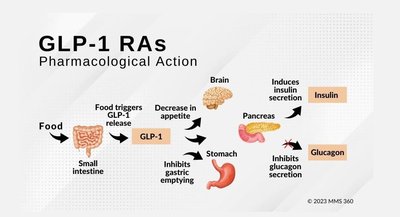
Long-Term Consequences of Diabetes
Vascular damage: Heart and kidney disease, retinal damage (blindness), poor wound healing (limb amputations).
Gestational Diabetes
Occurs: During pregnancy due to placental hormones deactivating insulin receptors.
Reverses: After birth.
Risks: Birth defects, maternal health problems, increased risk of Type II diabetes in mother.
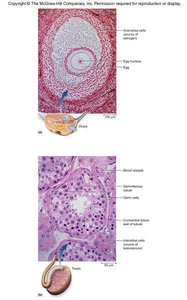
Gonads
Ovaries
The ovaries secrete estrogens and progesterone, which regulate female reproductive system development, menstrual cycle, pregnancy, and mammary gland preparation for lactation.
Estrogens: Promote bone growth and development of female physique.
Progesterone: Sustains pregnancy and prepares mammary glands.
Testes
The testes produce androgens, which regulate male reproductive system development, sustain sperm production, and sex drive.
Androgens: Promote development of male physique and reproductive organs.
Endocrine Functions of Other Organs
Heart: Releases atrial natriuretic peptide (ANP) with increased blood pressure; decreases blood volume and pressure. Produces erythropoietin (stimulates RBC production).
Stomach and Small Intestines: Produce 10 enteric hormones to coordinate digestive motility and secretion.
Liver: Continues calcitriol synthesis; produces some erythropoietin.
Placenta: Secretes estrogen, progesterone, and other hormones to regulate pregnancy and fetal development.
Kidneys: Produce hormones involved in blood pressure regulation and erythropoiesis.
Hormone Physiology
Chemical Nature of Hormones
Hormones are classified based on their solubility and chemical structure.
Protein-based (water-soluble): Includes histamine, epinephrine, insulin.
Steroid hormones (lipid-soluble): Derived from cholesterol.
Target cells: Hormones act only on cells with specific receptors.
Hormone Mode of Action
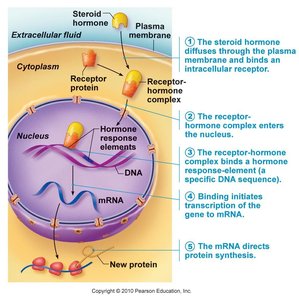
Lipid-soluble hormones: Penetrate plasma membrane and enter nucleus to affect gene expression.
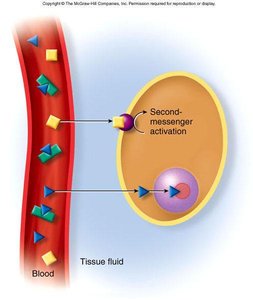
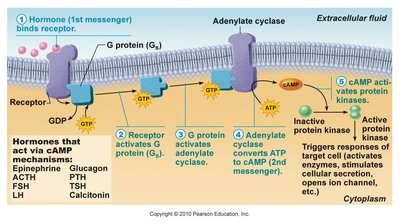
Water-soluble hormones: Bind to cell-surface receptors and activate second messenger systems.
Lipid-Soluble Hormone Mode of Action
Steroid hormone diffuses through plasma membrane and binds an intracellular receptor.
The receptor-hormone complex enters the nucleus and binds to DNA.
Binding initiates transcription of DNA to mRNA, leading to protein synthesis.
Water-Soluble Hormone Mechanism of Action
Hormone binds to cell-surface receptor.
Activates second messenger (e.g., cAMP) inside the cell.
Triggers enzyme amplification and cellular responses.
Enzyme Amplification
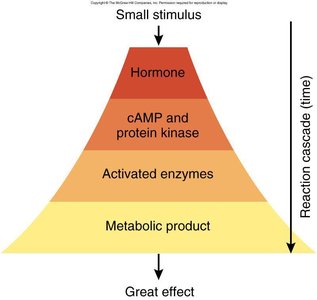
Enzyme amplification allows a small stimulus to produce a large effect through a cascade of reactions.
Hormone activates cAMP and protein kinase.
Activated enzymes produce metabolic products.
Hormone Clearance
Hormone signals must be terminated after their action. Clearance occurs via uptake and degradation by the liver and kidneys, followed by excretion in bile or urine.
Metabolic clearance rate (MCR): Rate of hormone removal.
Half-life: Time required to clear 50% of hormone.
Modulation of Target Cell Sensitivity
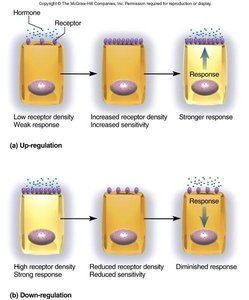
Target cells can adjust their sensitivity to hormones by up-regulating or down-regulating receptor density.
Up-regulation: Increased receptor density, stronger response.
Down-regulation: Reduced receptor density, diminished response.
Control of Pituitary: Feedback from Target Organs
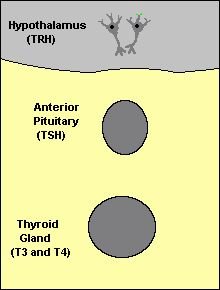
The pituitary gland is regulated by feedback from target organs, often involving negative feedback loops.
Example: Thyroid hormone inhibits release of TRH and TSH via negative feedback.
P
Paracrine Secretions
Paracrine secretions are chemical messengers that diffuse short distances and stimulate nearby cells. They are not produced in neurons or transported in blood like hormones.
Histamine: Causes vasodilation; involved in allergies.
Nitric oxide: Causes vasodilation from blood vessels.
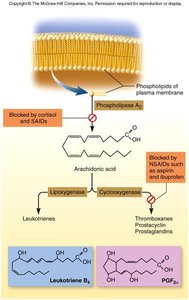
Eicosanoids: Mediate inflammation, pain, fever, smooth muscle contraction, and clotting.
Paracrine Messenger | Main Function |
|---|---|
Histamine | Vasodilation, allergy response |
Nitric oxide | Vasodilation |
Eicosanoids | Inflammation, pain, fever, clotting |
Additional info: Eicosanoids are synthesized from arachidonic acid and are targets for anti-inflammatory drugs such as NSAIDs (aspirin, ibuprofen) and corticosteroids (prednisone).
