 뒤로
뒤로The Endocrine System: Structure, Function, and Hormonal Regulation
스터디 가이드 - 스마트 노트
 자료에 맞춘 맞춤형 노트, 핵심 정의, 예시, 맥락을 확장해 제공합니다.
The Endocrine System
Overview of Nervous and Endocrine Systems
The nervous and endocrine systems work together to coordinate the functions of all body systems. The nervous system uses nerve impulses for rapid, brief responses targeting specific cells, while the endocrine system uses hormones for slower, longer-lasting, and broader effects.
Nervous System: Fast, specific, short-lived responses via electrical impulses.
Endocrine System: Slow, widespread, long-lasting responses via hormones.
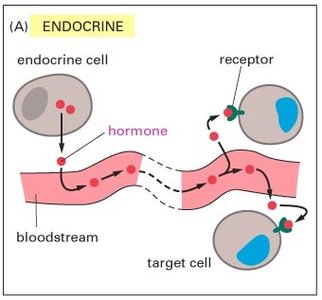
Hormone: A mediator molecule released in one part of the body that regulates activity of cells in other parts.
Types of Endocrine Glands
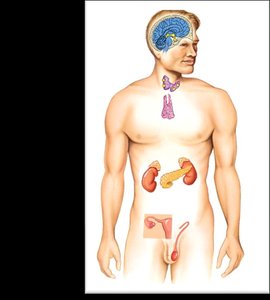
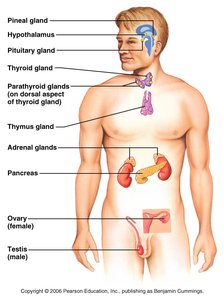
Endocrine glands are ductless and secrete their products directly into the interstitial fluid, which then diffuses into the blood.
Exocrine Glands: Have ducts; secrete products onto epithelial surfaces.
Endocrine Glands: Ductless; secrete hormones into blood.
Major Endocrine Glands: Pituitary, thyroid, parathyroid, adrenal, pineal glands.
Other Endocrine Tissues: Thymus, pancreas, ovaries, testes (not exclusively endocrine).
Hormone Activity and Regulation
Hormone-Receptor Interactions
Hormones affect only specific target tissues with specific glycoprotein receptors. Receptors are constantly synthesized and broken down, allowing regulation of sensitivity.
Down-regulation: Decrease in receptor number to prevent overreaction.
Up-regulation: Increase in receptor number to enhance sensitivity.
Types of Hormones
Hormones can be classified based on their mode of action and chemical nature.
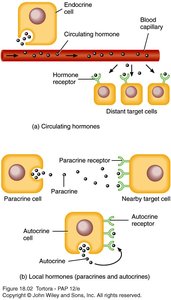
Circulating Hormones: Travel through blood to distant target cells.
Local Hormones: Act locally without entering the bloodstream.
Paracrine: Affect neighboring cells.
Autocrine: Affect the same cell that secreted them.
Chemistry of Hormones
Hormones are either lipid-soluble or water-soluble, which determines their transport and mechanism of action.
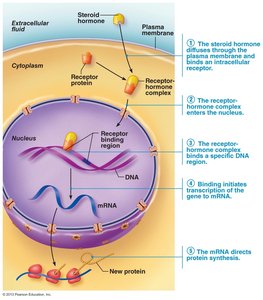
Lipid-soluble Hormones: Steroid, thyroid, nitric oxide; require transporter proteins.
Water-soluble Hormones: Amine, peptide/protein/glycoprotein; circulate in free form.
Mechanisms of Hormone Action
The response of a target cell depends on the hormone type and the cell's properties.
Lipid-soluble Hormones: Bind to intracellular receptors, directly affecting gene expression.
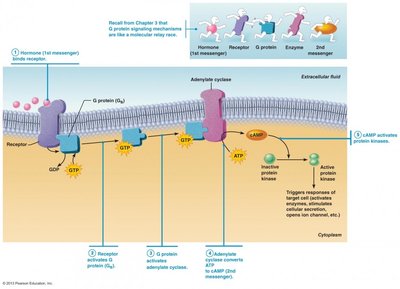
Water-soluble Hormones: Bind to membrane receptors, activating second messenger systems (e.g., cAMP).
Cell Responsiveness: Depends on hormone concentration, receptor abundance, and influence of other hormones (permissive, synergistic, antagonistic effects).
Hypothalamus and Pituitary Gland
Anatomy and Function
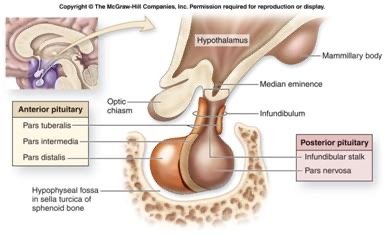
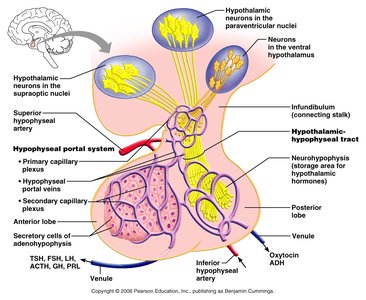
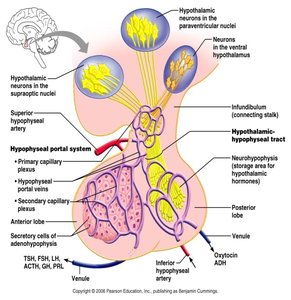
The hypothalamus is a major link between the nervous and endocrine systems. The pituitary gland is attached to the hypothalamus by the infundibulum and consists of two lobes:
Anterior Pituitary (Adenohypophysis): Chemical control via releasing/inhibiting hormones from hypothalamus.
Posterior Pituitary (Neurohypophysis): Electrical control; stores and releases hormones made by hypothalamus.
Hormones of the Anterior Pituitary
The anterior pituitary releases several hormones, many of which are tropic (act on other endocrine glands):
Human Growth Hormone (hGH): Stimulates IGFs for growth and protein synthesis.
Thyroid-Stimulating Hormone (TSH): Stimulates thyroid hormone synthesis and iodine uptake.
Follicle-Stimulating Hormone (FSH): Initiates oocyte development and estrogen secretion in ovaries; stimulates sperm production in testes.
Luteinizing Hormone (LH): Stimulates ovulation and hormone secretion in ovaries; testosterone production in testes.
Prolactin (PRL): Promotes milk secretion.
Adrenocorticotropic Hormone (ACTH): Stimulates glucocorticoid secretion by adrenal cortex.
Melanocyte-Stimulating Hormone (MSH): Unknown role in humans.
Hormones of the Posterior Pituitary
The posterior pituitary stores and releases hormones produced by the hypothalamus:
Oxytocin (OT): Enhances uterine contraction and stimulates milk ejection.
Antidiuretic Hormone (ADH, Vasopressin): Decreases urine production, reduces water loss, increases blood pressure.
Thyroid and Parathyroid Glands
Thyroid Gland Structure and Function
The thyroid gland is located on the trachea, inferior to the larynx, and consists of two lobes connected by an isthmus.
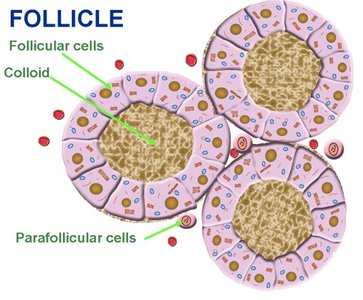
Follicular Cells: Produce thyroxine (T4) and triiodothyronine (T3), which increase basal metabolic rate (BMR), stimulate protein synthesis, and increase glucose/fatty acid use for ATP.
Parafollicular Cells: Produce calcitonin, which lowers blood Ca2+ by inhibiting osteoclasts.
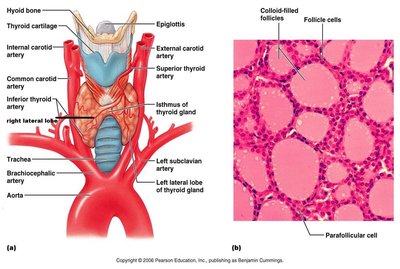
Parathyroid Glands
The parathyroid glands are embedded in the thyroid gland and usually consist of four small lobes.
Principal Cells: Secrete parathyroid hormone (PTH), which increases blood Ca2+ and decreases blood phosphate by increasing osteoclast activity.
Oxyphill Cells: Function unknown.
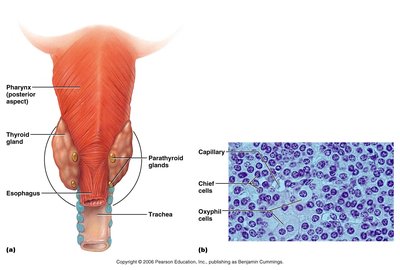
Adrenal Glands
Structure and Zones
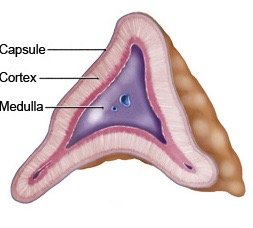
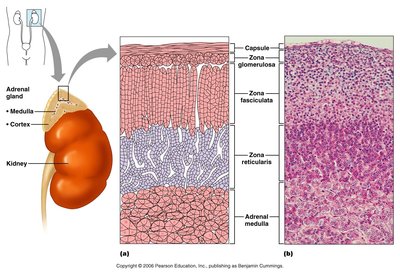
The adrenal glands have two distinct regions: cortex and medulla.
Adrenal Cortex: Three zones:
Zona Glomerulosa: Mineralocorticoids (e.g., aldosterone) regulate Na+, K+, and water balance.
Zona Fasciculata: Glucocorticoids (e.g., cortisol) regulate glucose metabolism, stress resistance, and anti-inflammatory effects.
Zona Reticularis: Androgens (gonadocorticoids) contribute to puberty and are a source of estrogens after menopause.
Adrenal Medulla: Chromaffin cells secrete epinephrine and norepinephrine, intensifying sympathetic responses (fight or flight).
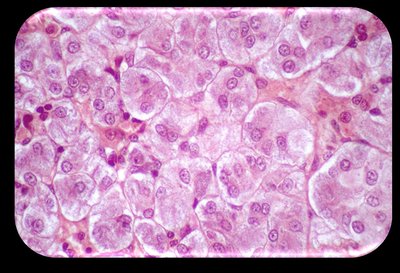
Pancreas and Pancreatic Islets
Structure and Function
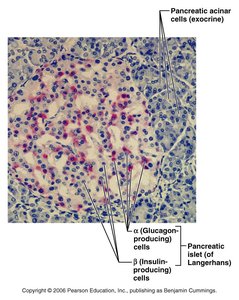
The pancreas is both an exocrine and endocrine gland.
Exocrine: 99% of cells produce digestive enzymes.
Endocrine: Pancreatic islets (islets of Langerhans) contain:
Alpha (A) Cells: Secrete glucagon (raises blood sugar).
Beta (B) Cells: Secrete insulin (lowers blood sugar).
Delta (D) Cells: Secrete somatostatin (inhibits insulin and glucagon).
F Cells: Secrete pancreatic polypeptide (regulates digestive enzyme release).
Gonads: Ovaries and Testes
Hormonal Functions
Gonads produce gametes and hormones essential for reproduction and secondary sex characteristics.
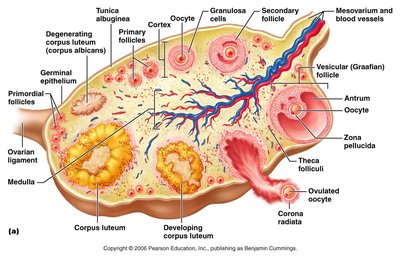
Ovaries: Produce estrogens and progesterone (regulate menstrual cycle, pregnancy, lactation, female secondary sex characteristics).
Inhibin: Inhibits FSH.
Relaxin: Produced during pregnancy, relaxes uterus during labor.
Testes: Produce testosterone (regulates sperm production, male secondary sex characteristics).
Pineal Gland
Structure and Function
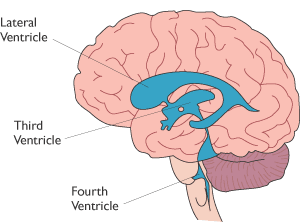
The pineal gland is attached to the roof of the third ventricle of the brain.
Pinealocytes: Produce melatonin, which regulates biological clock and stimulates sleepiness.
More melatonin is released during darkness than light.
Thymus and Other Endocrine Tissues
Thymus
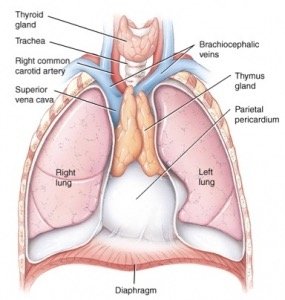
The thymus is located behind the sternum between the lungs and produces hormones involved in T cell maturation.
Thymosin, Thymic Factor (TF), Thymopoietin: All involved in T cell maturation.
Other Endocrine Tissues
Placenta: Produces estrogens and progesterone.
Heart: Produces atrial natriuretic peptide (ANP), which opposes ADH and aldosterone.
GI Tract: Enteroendocrine cells secrete hormones aiding digestion.
Summary Table: Major Endocrine Glands and Their Hormones
Gland | Main Hormones | Primary Functions |
|---|---|---|
Pituitary (Anterior) | hGH, TSH, FSH, LH, PRL, ACTH, MSH | Growth, metabolism, reproduction, lactation |
Pituitary (Posterior) | Oxytocin, ADH | Uterine contraction, milk ejection, water balance |
Thyroid | T3, T4, Calcitonin | Metabolism, calcium regulation |
Parathyroid | PTH | Calcium and phosphate regulation |
Adrenal Cortex | Aldosterone, Cortisol, Androgens | Mineral, glucose, and sex hormone regulation |
Adrenal Medulla | Epinephrine, Norepinephrine | Fight or flight response |
Pancreas | Insulin, Glucagon, Somatostatin, Pancreatic polypeptide | Blood sugar regulation, digestive enzyme control |
Ovaries | Estrogens, Progesterone, Inhibin, Relaxin | Reproduction, pregnancy, lactation |
Testes | Testosterone, Inhibin | Sperm production, male characteristics |
Pineal | Melatonin | Biological clock, sleep regulation |
Thymus | Thymosin, TF, Thymopoietin | T cell maturation |
Key Equations
Second Messenger System (cAMP Pathway)
ATP is converted to cAMP by adenylate cyclase:
cAMP activates protein kinases, leading to cellular responses.
Calcium Regulation
Calcitonin lowers blood Ca2+ by inhibiting osteoclasts.
PTH increases blood Ca2+ by stimulating osteoclasts.
Summary
The endocrine system is essential for regulating metabolism, growth, reproduction, and homeostasis through a complex network of glands and hormones. Understanding the anatomy, hormone types, mechanisms of action, and regulatory pathways is crucial for mastering human physiology.
