 뒤로
뒤로The Endocrine System: Structure, Glands, and Hormones (A&P II: Lab 2 Review)
스터디 가이드 - 스마트 노트
 자료에 맞춘 맞춤형 노트, 핵심 정의, 예시, 맥락을 확장해 제공합니다.
The Endocrine System
Overview of the Endocrine System
The endocrine system is a network of glands that produce and release hormones to regulate various bodily functions, including growth, metabolism, reproduction, and homeostasis. Hormones are chemical messengers that travel through the bloodstream to target organs and tissues.
Major endocrine glands include the pituitary, thyroid, parathyroid, adrenal, and pineal glands.
Secondary endocrine organs include the heart, thymus, stomach, duodenum, pancreas, kidneys, adipose tissue, testes, ovaries, and uterus.
Endocrine glands are ductless and release hormones directly into the blood.
Major Endocrine Glands
Hypothalamus and Pituitary Gland
The hypothalamus and pituitary gland are central regulators of the endocrine system, controlling many other glands through hormone release.
Hypothalamus: Produces releasing and inhibiting hormones that control the anterior pituitary.
Posterior pituitary: Stores and releases antidiuretic hormone (ADH) and oxytocin.
Anterior pituitary: Produces hormones such as growth hormone, ACTH, TSH, FSH, LH, and prolactin.
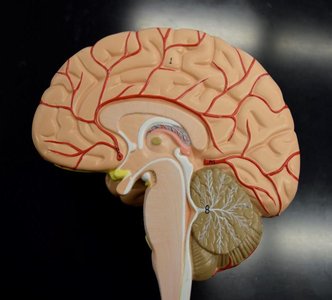
Pineal Gland
The pineal gland is a small endocrine gland located in the brain.
Function: Secretes melatonin, which regulates the sleep/wake cycle.
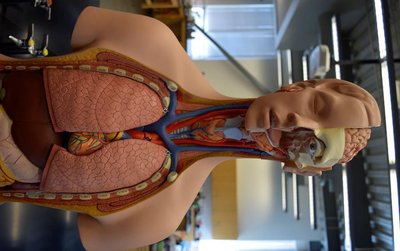
Thyroid Gland
The thyroid gland is located inferior to the thyroid cartilage (Adam’s apple) on the anterior side of the neck.
Function: Produces thyroid hormones (T3 and T4) that regulate metabolism, and calcitonin which lowers blood calcium levels.
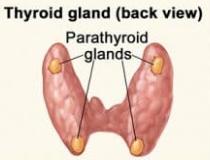
Parathyroid Glands
The parathyroid glands are four small nodules located on the posterior side of the thyroid gland.
Function: Secrete parathyroid hormone (PTH), which increases blood calcium levels.
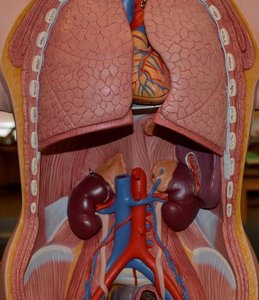
Adrenal Glands
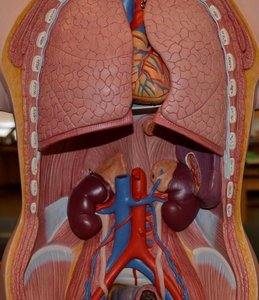
The adrenal glands are paired glands located on the superior aspect of each kidney.
Function: Produce cortisol, aldosterone, and other hormones involved in stress response, metabolism, and electrolyte balance.
Secondary Endocrine Organs
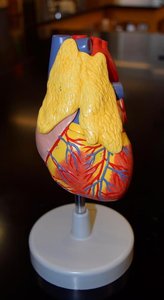
Heart
The heart produces hormones that regulate blood volume and pressure.
Atrial Natriuretic Peptide (ANP): Promotes sodium and water excretion.
B-type Natriuretic Peptide (BNP): Promotes sodium and water excretion and vasodilation.
Thymus
The thymus is involved in immune system development and produces hormones that regulate immune cell maturation.
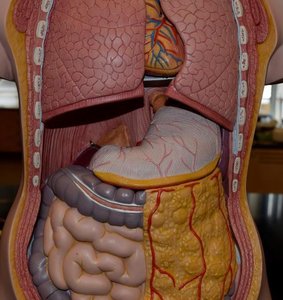
Stomach and Duodenum
The stomach and duodenum produce hormones that regulate digestion and appetite.
Ghrelin: Stimulates appetite and growth hormone release.
Pancreas
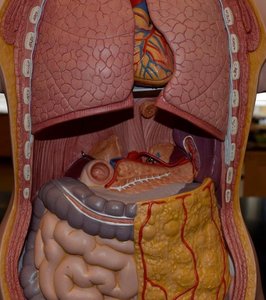
The pancreas is both an endocrine and exocrine organ.
Insulin: Lowers blood glucose by increasing cellular uptake.
Glucagon: Raises blood glucose by promoting glycogen breakdown.
Kidneys
The kidneys produce hormones involved in blood cell production and mineral balance.
Erythropoietin (EPO): Stimulates red blood cell production.
Calcitriol: Increases calcium and phosphate absorption.
Adipose Tissue
Adipose tissue produces leptin, which regulates appetite and energy balance.
Testes and Ovaries
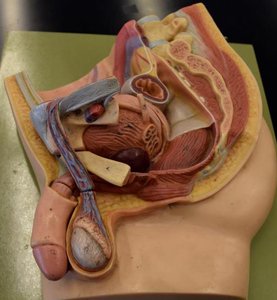
The testes and ovaries are primary reproductive organs with endocrine functions.
Testes: Produce testosterone, which promotes male reproductive development and secondary sex characteristics.
Ovaries: Produce estrogen, which promotes female reproductive development and secondary sex characteristics.
Uterus
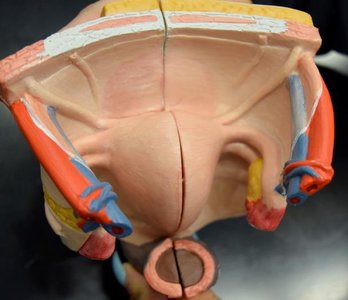
The uterus is involved in hormone regulation during pregnancy and menstrual cycles. 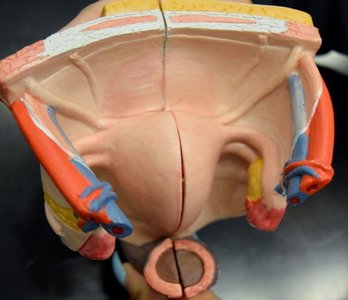
Hormones and Their Functions
Hypothalamus/Posterior Pituitary Hormones
Antidiuretic hormone (ADH): Increases water reabsorption by kidneys and constricts blood vessels.
Oxytocin: Induces uterine contractions, milk ejection, and social bonding.
Thyroid and Parathyroid Hormones
Calcitonin: Lowers blood calcium by decreasing bone breakdown and kidney reabsorption.
Parathyroid hormone (PTH): Increases blood calcium by increasing bone breakdown and kidney reabsorption.
Adrenal Gland Hormones
Cortisol (CORT): Raises blood glucose, suppresses inflammation, increases blood pressure.
Aldosterone (ALD): Increases sodium reabsorption and potassium excretion, raising blood volume and pressure.
Pineal Gland Hormone
Melatonin: Regulates sleep/wake cycle.
Stomach and Pancreas Hormones
Ghrelin: Stimulates appetite and growth hormone release.
Insulin: Lowers blood glucose.
Glucagon: Raises blood glucose.
Kidney Hormones
Erythropoietin (EPO): Stimulates red blood cell production.
Calcitriol: Raises blood calcium and phosphate levels.
Heart Hormones
Atrial Natriuretic Peptide (ANP): Decreases blood volume and pressure.
B-type Natriuretic Peptide (BNP): Decreases blood volume and pressure, promotes vasodilation.
Adipose Tissue Hormone
Leptin: Promotes satiety and decreases food intake.
Testes and Ovaries Hormones
Testosterone: Promotes male reproductive development, sperm production, muscle and bone mass.
Estrogen: Promotes female reproductive development, uterine lining growth, bone mass maintenance.
Endocrine Pathways
Endocrine pathways involve the release of hormones from glands, their transport through the bloodstream, and their action on target organs. Feedback mechanisms regulate hormone levels to maintain homeostasis.
Example: The hypothalamic-pituitary-thyroid axis regulates metabolism through feedback control of thyroid hormone levels.
Summary Table: Major Endocrine Glands and Hormones
Gland/Organ | Hormone(s) | Main Function(s) |
|---|---|---|
Hypothalamus/Posterior Pituitary | ADH, Oxytocin | Water balance, uterine contractions, milk ejection |
Thyroid | Calcitonin | Lowers blood calcium |
Parathyroid | PTH | Raises blood calcium |
Adrenal | Cortisol, Aldosterone | Stress response, blood pressure regulation |
Pineal | Melatonin | Sleep/wake cycle |
Stomach | Ghrelin | Appetite stimulation |
Pancreas | Insulin, Glucagon | Blood glucose regulation |
Kidneys | EPO, Calcitriol | Red blood cell production, calcium/phosphate balance |
Heart | ANP, BNP | Blood volume and pressure regulation |
Adipose Tissue | Leptin | Satiety, energy balance |
Testes | Testosterone | Male reproductive development |
Ovaries | Estrogen | Female reproductive development |
Key Equations
Blood Glucose Regulation:
Calcium Regulation:
Example: Feedback Regulation
Negative feedback: When blood calcium rises, calcitonin is released to lower it; when blood calcium falls, PTH is released to raise it.
Additional info:
Some details about hormone pathways and feedback mechanisms were inferred for completeness.
Images were included only when they directly illustrated the anatomical location or structure of the glands discussed.
