Ch. 20 The Lymphatic System and Immunity
Amerman- Human Anatomy & Physiology 3e
Amerman3rd EditionHuman Anatomy & PhysiologyISBN: 9780138247201, 9780138247928, 9780138201814당신이 사용하는 게 아니라요?교과서 변경
20장, 문제 L3.2b

Carla presents to her physician with a complaint of swollen axillary lymph nodes. Her physician performs a breast exam and finds a tumor on the same side as the swollen nodes.
b. Carla undergoes surgery to have the tumor and affected lymph nodes and surrounding lymphatic vessels removed. Predict any complications Carla might have after the surgery that could arise from removal of the lymph nodes and vessels.

검증된 단계별 안내
1
Understand the role of lymph nodes and lymphatic vessels: Lymph nodes are part of the lymphatic system, which helps in immune defense and fluid balance. They filter lymph fluid and trap pathogens, while lymphatic vessels transport lymph throughout the body.
Recognize the consequences of lymph node and vessel removal: Removing lymph nodes and vessels disrupts the normal flow of lymph fluid, potentially leading to a condition called lymphedema, which is characterized by swelling due to fluid accumulation.
Explain why lymphedema occurs: Without lymph nodes and vessels, the body struggles to drain lymph fluid from the affected area, causing it to accumulate in the surrounding tissues. This is particularly common in the arm or chest area on the side of the surgery.
Discuss potential symptoms and complications: Carla might experience swelling, discomfort, reduced mobility, and an increased risk of infection in the affected area due to impaired immune function and fluid buildup.
Highlight management strategies: Post-surgery, Carla may need physical therapy, compression garments, and careful monitoring to manage lymphedema and prevent further complications. Education on self-care and infection prevention will also be crucial.

비슷한 문제에 대한 검증된 영상 답변:

이 영상 해법은 위 문제에 도움이 된다고 튜터들이 추천한 것입니다.

주요 개념

질문에 올바르게 답하기 위해 반드시 이해해야 하는 핵심 개념들은 다음과 같습니다.

Lymphatic System

The lymphatic system is a network of vessels and nodes that plays a crucial role in the immune system and fluid balance. It transports lymph, a fluid containing infection-fighting white blood cells, throughout the body. When lymph nodes are removed, as in Carla's case, the drainage of lymph fluid can be disrupted, leading to complications such as lymphedema.
추천 영상:
가이드 코스
3:57
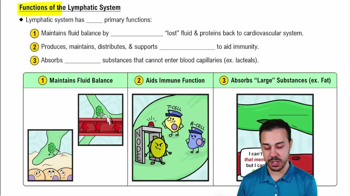
Functions of the Lymphatic System

Lymphedema

Lymphedema is a condition characterized by swelling due to the accumulation of lymph fluid, often occurring after lymph node removal or damage. It can cause discomfort, restricted movement, and an increased risk of infections. Understanding lymphedema is essential for predicting potential complications following surgery that involves lymph node excision.
추천 영상:
가이드 코스
3:32
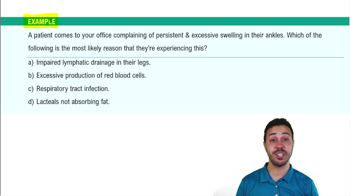
Introduction to the Lymphatic System Example 2

Surgical Complications

Surgical complications refer to unintended adverse effects that can occur as a result of surgical procedures. In the context of lymph node removal, complications may include infection, bleeding, and lymphedema. Awareness of these risks is important for both patients and healthcare providers to ensure proper post-operative care and management.
추천 영상:
1:46
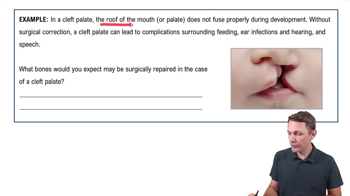
The Skull Example 2
관련 실천
교과서 질문

The chemotherapeutic drugs Mr. White is taking affect all cells that undergo rapid mitosis, such as those of the skin. What effect would this have on the functions of the skin? How could this affect his immunity?

768
views

교과서 질문

Mr. White developed neutropenia as a consequence of cancer chemotherapy, which destroyed much of his bone marrow. What other components of the immune system would be harmed by bone marrow destruction? Would you expect his hematocrit to be elevated or decreased? What effects would you expect to see from this change in hematocrit?

915
views
교과서 질문

Your friend tests her snake-wrangling skills on an eastern diamondback rattlesnake, and is bitten and envenomated (injected with the snake's venom). In the emergency department, doctors administer the antivenin CroFab, which contains antibodies to the toxins in snake venom. Is this an example of active or passive immunity? Will this confer any lasting protection to your friend?

1111
views
교과서 질문

Mr. White has been diagnosed with febrile neutropenia, a condition characterized by the presence of a fever with an extremely low number of neutrophils in the blood. Blood work demonstrates the presence of bacteria in his blood. Explain why neutropenia might lead to a bacterial infection. Why is a bacterial infection particularly dangerous for Mr. White?

146
views
교과서 질문

The lymphoid organ that filters the blood is the ______, and the lymphoid organ that filters the lymph is the______.

1038
views
교과서 질문

Carla presents to her physician with a complaint of swollen axillary lymph nodes. Her physician performs a breast exam and finds a tumor on the same side as the swollen nodes.

a. Explain what process has likely caused her nodes to swell.

180
views