Ch. 20 The Lymphatic System and Immunity
Amerman- Human Anatomy & Physiology 3e
Amerman3rd EditionHuman Anatomy & PhysiologyISBN: 9780138247201, 9780138247928, 9780138201814당신이 사용하는 게 아니라요?교과서 변경
20장, 문제 L3.3

Mr. White has been diagnosed with febrile neutropenia, a condition characterized by the presence of a fever with an extremely low number of neutrophils in the blood. Blood work demonstrates the presence of bacteria in his blood. Explain why neutropenia might lead to a bacterial infection. Why is a bacterial infection particularly dangerous for Mr. White?

검증된 단계별 안내
1
Neutrophils are a type of white blood cell that play a critical role in the immune system by identifying, engulfing, and destroying bacteria and other pathogens. Begin by understanding that neutropenia refers to a significantly reduced number of neutrophils, which compromises the body's ability to fight infections effectively.
When neutrophils are deficient, the body's first line of defense against bacterial infections is weakened. This allows bacteria to proliferate unchecked, leading to conditions such as bacteremia (presence of bacteria in the blood). Explain how neutropenia creates a vulnerability to bacterial invasion.
Bacteria in the bloodstream can spread to various organs and tissues, potentially causing systemic infections such as sepsis. Sepsis is a life-threatening condition characterized by widespread inflammation and organ dysfunction. Discuss how the lack of neutrophils exacerbates the risk of sepsis in neutropenic patients.
Febrile neutropenia is particularly dangerous because fever indicates the body's response to infection, but the immune system's ability to combat the infection is severely impaired due to the low neutrophil count. Highlight the importance of prompt medical intervention, such as antibiotics, to manage bacterial infections in neutropenic patients.
Conclude by emphasizing that neutropenia not only increases susceptibility to bacterial infections but also makes these infections more severe and harder to control. This is why febrile neutropenia is considered a medical emergency requiring immediate treatment to prevent complications like sepsis or organ failure.

비슷한 문제에 대한 검증된 영상 답변:

이 영상 해법은 위 문제에 도움이 된다고 튜터들이 추천한 것입니다.
도움이 되었나요?

주요 개념

질문에 올바르게 답하기 위해 반드시 이해해야 하는 핵심 개념들은 다음과 같습니다.

Neutrophils and Their Role in Immunity

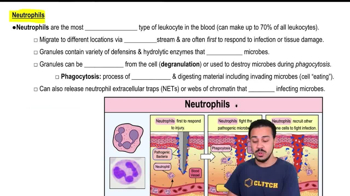
Neutrophils are a type of white blood cell essential for the immune response, particularly in fighting off bacterial infections. They are the first responders to sites of infection, where they engulf and destroy pathogens. A low neutrophil count, or neutropenia, compromises the body's ability to respond effectively to infections, making individuals more susceptible to bacterial invasions.
추천 영상:
5:23
Neutrophils

Febrile Neutropenia

Febrile neutropenia is a medical condition characterized by a fever in a patient with neutropenia. The fever indicates an underlying infection, which is particularly concerning in neutropenic patients because their immune system is weakened. This condition often arises in patients undergoing chemotherapy or those with bone marrow disorders, increasing the risk of severe infections.

Risks of Bacterial Infections in Neutropenic Patients

Bacterial infections pose a heightened risk for neutropenic patients like Mr. White due to their compromised immune systems. Without sufficient neutrophils, the body cannot effectively combat bacterial pathogens, leading to rapid progression of infections. This can result in severe complications, including sepsis, which can be life-threatening if not promptly treated.
추천 영상:
07:43
CRISPR CAS
관련 실천
교과서 질문

The chemotherapeutic drugs Mr. White is taking affect all cells that undergo rapid mitosis, such as those of the skin. What effect would this have on the functions of the skin? How could this affect his immunity?

768
views

교과서 질문

Mr. White developed neutropenia as a consequence of cancer chemotherapy, which destroyed much of his bone marrow. What other components of the immune system would be harmed by bone marrow destruction? Would you expect his hematocrit to be elevated or decreased? What effects would you expect to see from this change in hematocrit?

915
views
교과서 질문

Nonspecific immunity is also known as_____. Specific immunity is also known as_____. Specific immunity has the capacity for immunological ______ .

875
views
교과서 질문

Your friend tests her snake-wrangling skills on an eastern diamondback rattlesnake, and is bitten and envenomated (injected with the snake's venom). In the emergency department, doctors administer the antivenin CroFab, which contains antibodies to the toxins in snake venom. Is this an example of active or passive immunity? Will this confer any lasting protection to your friend?

1111
views
교과서 질문

Carla presents to her physician with a complaint of swollen axillary lymph nodes. Her physician performs a breast exam and finds a tumor on the same side as the swollen nodes.

b. Carla undergoes surgery to have the tumor and affected lymph nodes and surrounding lymphatic vessels removed. Predict any complications Carla might have after the surgery that could arise from removal of the lymph nodes and vessels.

157
views
교과서 질문

Carla presents to her physician with a complaint of swollen axillary lymph nodes. Her physician performs a breast exam and finds a tumor on the same side as the swollen nodes.

a. Explain what process has likely caused her nodes to swell.

180
views