Ch. 4 Histology
Amerman- Human Anatomy & Physiology 3e
Amerman3rd EditionHuman Anatomy & PhysiologyISBN: 9780138247201, 9780138247928, 9780138201814당신이 사용하는 게 아니라요?교과서 변경
4장, 문제 14

Which tissues undergo regeneration? Which tissues undergo fibrosis? Why?

검증된 단계별 안내
1
Understand the difference between regeneration and fibrosis: Regeneration is the process by which damaged tissues are replaced with the same type of cells, restoring normal function. Fibrosis, on the other hand, involves the replacement of damaged tissue with scar tissue (composed mainly of collagen), which does not restore normal function.
Identify tissues that undergo regeneration: Tissues with a high capacity for regeneration include epithelial tissues (e.g., skin, mucous membranes), bone, and liver tissue. These tissues have a high mitotic rate or contain stem cells that can divide and replace damaged cells.
Identify tissues that undergo fibrosis: Tissues with a limited capacity for regeneration, such as cardiac muscle, nervous tissue in the central nervous system, and skeletal muscle, often undergo fibrosis. This is because these tissues lack sufficient stem cells or have a very low mitotic rate, making it difficult to replace damaged cells with the same type.
Explain why some tissues regenerate while others undergo fibrosis: The ability of a tissue to regenerate depends on the presence of stem cells and the mitotic activity of its cells. Tissues with abundant stem cells or high mitotic activity can regenerate effectively. In contrast, tissues with limited or no stem cells rely on fibroblasts to produce collagen, leading to fibrosis.
Summarize the functional implications: Regeneration restores the original structure and function of the tissue, while fibrosis results in scar formation, which may compromise the tissue's functionality. For example, fibrosis in the heart after a myocardial infarction can impair its ability to pump blood effectively.

비슷한 문제에 대한 검증된 영상 답변:

이 영상 해법은 위 문제에 도움이 된다고 튜터들이 추천한 것입니다.
도움이 되었나요?

주요 개념

질문에 올바르게 답하기 위해 반드시 이해해야 하는 핵심 개념들은 다음과 같습니다.

Tissue Regeneration

Tissue regeneration refers to the process by which certain tissues can fully restore their structure and function after injury. This ability is most prominent in tissues such as liver, skin, and some types of muscle. Regenerative capacity is influenced by factors like the type of cells involved, the extent of the injury, and the organism's age and health.
추천 영상:
4:55
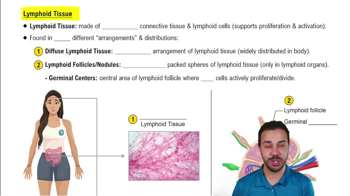
Lymphoid Tissue

Fibrosis

Fibrosis is the process by which damaged tissue is replaced by fibrous connective tissue, leading to scarring and loss of function. This occurs in tissues that have limited regenerative capacity, such as the heart and lungs, often as a response to chronic injury or inflammation. Fibrosis can impair organ function and is a common feature in various diseases.
추천 영상:
05:21
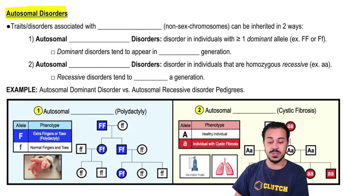
Autosomal Disorders

Factors Influencing Regeneration vs. Fibrosis

The balance between regeneration and fibrosis is influenced by several factors, including the type of tissue, the severity of the injury, and the presence of inflammatory signals. Tissues with a high regenerative capacity typically have a rich supply of stem cells and a favorable microenvironment, while those prone to fibrosis often experience chronic inflammation and inadequate cellular responses, leading to scarring.
추천 영상:
03:49
Enzyme-Substrate Complex