Ch. 17 Blood
Marieb - Human Anatomy & Physiology 11th Edition
Marieb, Hoehn11th EditionHuman Anatomy & PhysiologyISBN: 9780136874034당신이 사용하는 게 아니라요?교과서 변경
17장, 문제 5

Blood proteins play an important part in:
a. Blood clotting
b. Immunity
c. Maintenance of blood volume
d. All of the above

검증된 단계별 안내
1
Step 1: Understand the role of blood proteins in the body. Blood proteins include albumins, globulins, and fibrinogen, each serving different functions.
Step 2: Recognize that fibrinogen is essential for blood clotting, as it is converted into fibrin to form clots and stop bleeding.
Step 3: Know that globulins are involved in immunity, as they include antibodies that help defend the body against pathogens.
Step 4: Remember that albumins help maintain blood volume and pressure by regulating the osmotic balance between blood and tissues.
Step 5: Conclude that since blood proteins contribute to clotting, immunity, and blood volume maintenance, the correct answer encompasses all these functions.

비슷한 문제에 대한 검증된 영상 답변:

이 영상 해법은 위 문제에 도움이 된다고 튜터들이 추천한 것입니다.
영상 길이:
1m

주요 개념

질문에 올바르게 답하기 위해 반드시 이해해야 하는 핵심 개념들은 다음과 같습니다.

Blood Clotting

Blood clotting is a process where blood proteins, especially fibrinogen, help form clots to stop bleeding. When a blood vessel is injured, these proteins activate to create a mesh that seals the wound, preventing excessive blood loss.
추천 영상:
가이드 코스
10:05
Coagulation (Blood Clotting)

Immunity

Certain blood proteins, such as antibodies, play a crucial role in immunity by identifying and neutralizing pathogens like bacteria and viruses. These proteins are part of the body's defense system, helping to protect against infections.
추천 영상:
가이드 코스
3:19
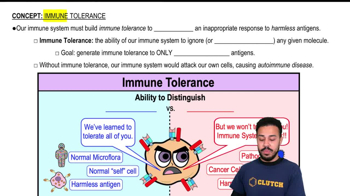
Immune Tolerance

Maintenance of Blood Volume

Blood proteins like albumin help maintain blood volume and pressure by regulating the osmotic balance between blood and tissues. This prevents excessive fluid loss from blood vessels, ensuring proper circulation and tissue hydration.
추천 영상:
6:28
Lung Volumes