Ch. 12 The Lymphatic System and Body Defenses
Marieb - Essentials of Human Anatomy & Physiology 13th Edition
Marieb13th EditionEssentials of Human Anatomy & PhysiologyISBN: 9780135624340당신이 사용하는 게 아니라요?교과서 변경
12장, 문제 22

Mr. James, an 80-year-old man, is grumbling about having to receive a flu shot every year. Flu viruses have a high mutation rate (undergo rapid genetic changes), which results in the appearance of new proteins on the flu virus's 'coat.' How does this help explain the need to get a flu shot each year?

검증된 단계별 안내
1
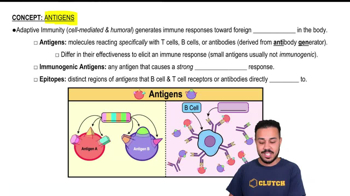
Understand the concept of the immune system: The immune system produces antibodies that recognize and bind to specific antigens (proteins) on the surface of pathogens, such as flu viruses. These antibodies are highly specific to the antigens they were initially exposed to.
Learn about flu virus mutation: Flu viruses have a high mutation rate, meaning their genetic material changes frequently. These mutations can lead to the production of new proteins on the virus's surface, altering its 'coat' and making it unrecognizable to the immune system's existing antibodies.
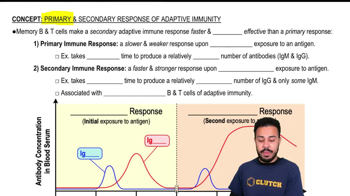
Recognize the implications of antigenic changes: When the flu virus's surface proteins change, the immune system's memory cells (which store information about previous infections) may no longer recognize the virus. This reduces the effectiveness of immunity from previous flu infections or vaccinations.
Understand the role of annual flu vaccines: Flu vaccines are updated each year to include the most common and newly mutated strains of the flu virus. This ensures that the immune system is prepared to recognize and fight the current circulating strains of the virus.
Explain the necessity of yearly flu shots: Because flu viruses mutate rapidly and new strains emerge regularly, receiving a flu shot each year helps maintain immunity against the latest strains, reducing the risk of infection and severe illness.

비슷한 문제에 대한 검증된 영상 답변:

이 영상 해법은 위 문제에 도움이 된다고 튜터들이 추천한 것입니다.
영상 길이:
2m

주요 개념

질문에 올바르게 답하기 위해 반드시 이해해야 하는 핵심 개념들은 다음과 같습니다.

Antigenic Drift and Shift

Antigenic drift refers to the gradual accumulation of mutations in the virus's surface proteins, leading to small changes that can help the virus evade the immune system. Antigenic shift, on the other hand, involves a more significant change, often through reassortment of genetic material when two different strains infect the same cell. Both processes contribute to the emergence of new flu virus strains, necessitating annual vaccinations.
추천 영상:

Immune Response

The immune response is the body's defense mechanism against pathogens, including viruses. When vaccinated, the immune system recognizes the introduced antigens and produces antibodies. However, due to the flu virus's rapid mutation, the antibodies generated from previous vaccinations may not effectively recognize and combat new strains, highlighting the need for yearly vaccinations.
추천 영상:
가이드 코스
6:59
Primary and Secondary Response of Adaptive Immunity

Vaccination Strategy

Vaccination strategy involves the planning and implementation of immunization programs to protect populations from infectious diseases. For the flu, health organizations analyze circulating strains and update the vaccine composition annually to match the most prevalent strains. This proactive approach is essential to ensure effective protection against the constantly evolving flu virus.
추천 영상:
가이드 코스
07:59
Osmosis and Osmolarity