Ch. 12 The Lymphatic System and Body Defenses
Marieb - Essentials of Human Anatomy & Physiology 13th Edition
Marieb13th EditionEssentials of Human Anatomy & PhysiologyISBN: 9780135624340당신이 사용하는 게 아니라요?교과서 변경
12장, 문제 1

More than one choice may apply.
Lymph capillaries
a. Are open-ended, like drinking straws
b. Have continuous tight junctions, like the capillaries of the brain
c. Contain endothelial cells separated by flaplike valves that can open wide
d. Have special barriers that stop cancer cells from entering

검증된 단계별 안내
1
Understand the structure and function of lymph capillaries: Lymph capillaries are small, thin-walled vessels that collect interstitial fluid (lymph) from tissues and transport it to larger lymphatic vessels. They are distinct from blood capillaries in their structure and permeability.
Analyze option (a): Lymph capillaries are not open-ended like drinking straws. Instead, they are closed at one end and form a network that allows fluid to enter through specialized structures.
Analyze option (b): Lymph capillaries do not have continuous tight junctions like the capillaries of the brain. Instead, they are designed to be highly permeable to allow the entry of large molecules and cells.
Analyze option (c): Lymph capillaries contain endothelial cells separated by flaplike valves. These valves open wide to allow interstitial fluid, proteins, and even cells (like immune cells or cancer cells) to enter the lymphatic system.
Analyze option (d): Lymph capillaries do not have special barriers to stop cancer cells from entering. In fact, their high permeability can allow cancer cells to enter and spread through the lymphatic system.

비슷한 문제에 대한 검증된 영상 답변:

이 영상 해법은 위 문제에 도움이 된다고 튜터들이 추천한 것입니다.
영상 길이:
1m
도움이 되었나요?

주요 개념

질문에 올바르게 답하기 위해 반드시 이해해야 하는 핵심 개념들은 다음과 같습니다.

Lymph Capillaries Structure

Lymph capillaries are small, thin-walled vessels that are open-ended, allowing interstitial fluid to enter. Their structure is designed to facilitate the uptake of excess fluid and proteins from tissues, which is crucial for maintaining fluid balance in the body.
추천 영상:
가이드 코스
5:59
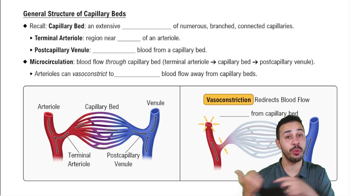
General Structure of Capillary Beds

Endothelial Cells and Valves

The endothelial cells of lymph capillaries are not tightly joined; instead, they are separated by flaplike valves. These valves can open to allow larger particles, such as proteins and pathogens, to enter the lymphatic system, which is essential for immune function and fluid regulation.
추천 영상:
7:13
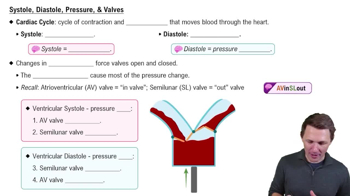
Systole, Diastole, Pressure, & Valves

Lymphatic System Function

The lymphatic system plays a vital role in immune response and fluid homeostasis. It helps transport lymph, which contains immune cells, and filters it through lymph nodes, where pathogens and cancer cells can be detected and eliminated, although it does not have specific barriers to prevent cancer cells from entering.
추천 영상:
가이드 코스
3:57
Functions of the Lymphatic System