Ch. 5 The Skeletal System
Marieb - Essentials of Human Anatomy & Physiology 13th Edition
Marieb13th EditionEssentials of Human Anatomy & PhysiologyISBN: 9780135624340당신이 사용하는 게 아니라요?교과서 변경
5장, 문제 9

Which bone of the arm corresponds to the femur of the leg?
a. Ulna
b. Humerus
c. Radius
d. Tibia
e. Fibula

검증된 단계별 안내
1
Understand the question: The problem is asking which bone in the arm corresponds to the femur in the leg. The femur is the largest and strongest bone in the leg, located in the thigh, and serves as the primary bone for muscle attachment and weight-bearing. We need to identify the arm bone that has a similar function and anatomical position.
Review the anatomy of the arm: The arm contains three main bones: the humerus (upper arm bone), the radius (forearm bone on the thumb side), and the ulna (forearm bone on the pinky side). The humerus is the largest and strongest bone in the arm, connecting the shoulder to the elbow.
Compare the femur and humerus: Both the femur and humerus are long bones that serve as the primary structural support for their respective limbs. They articulate with other bones to form joints (the femur with the pelvis and tibia, and the humerus with the scapula and radius/ulna). Additionally, both bones are sites for muscle attachment and play a role in movement.
Eliminate incorrect options: The ulna and radius are forearm bones and do not correspond to the femur in terms of size, function, or anatomical position. Similarly, the tibia and fibula are bones of the lower leg and are not part of the arm.
Conclude the correct answer: Based on the comparison, the humerus is the arm bone that corresponds to the femur of the leg due to its size, function, and anatomical position.

비슷한 문제에 대한 검증된 영상 답변:

이 영상 해법은 위 문제에 도움이 된다고 튜터들이 추천한 것입니다.
영상 길이:
1m
도움이 되었나요?

주요 개념

질문에 올바르게 답하기 위해 반드시 이해해야 하는 핵심 개념들은 다음과 같습니다.

Homologous Structures

Homologous structures are anatomical features in different species that share a common ancestry, even if they serve different functions. In this context, the femur in the leg and the humerus in the arm are homologous, as they are both long bones that support limb structure and movement.
추천 영상:
4:16
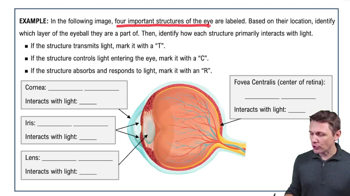
Structure of the Eyeball Example 1

Bone Classification

Bones are classified into several categories based on their shape and function, including long, short, flat, and irregular bones. The femur and humerus are both classified as long bones, characterized by a greater length than width, which allows for leverage and movement in limbs.
추천 영상:
가이드 코스
08:25
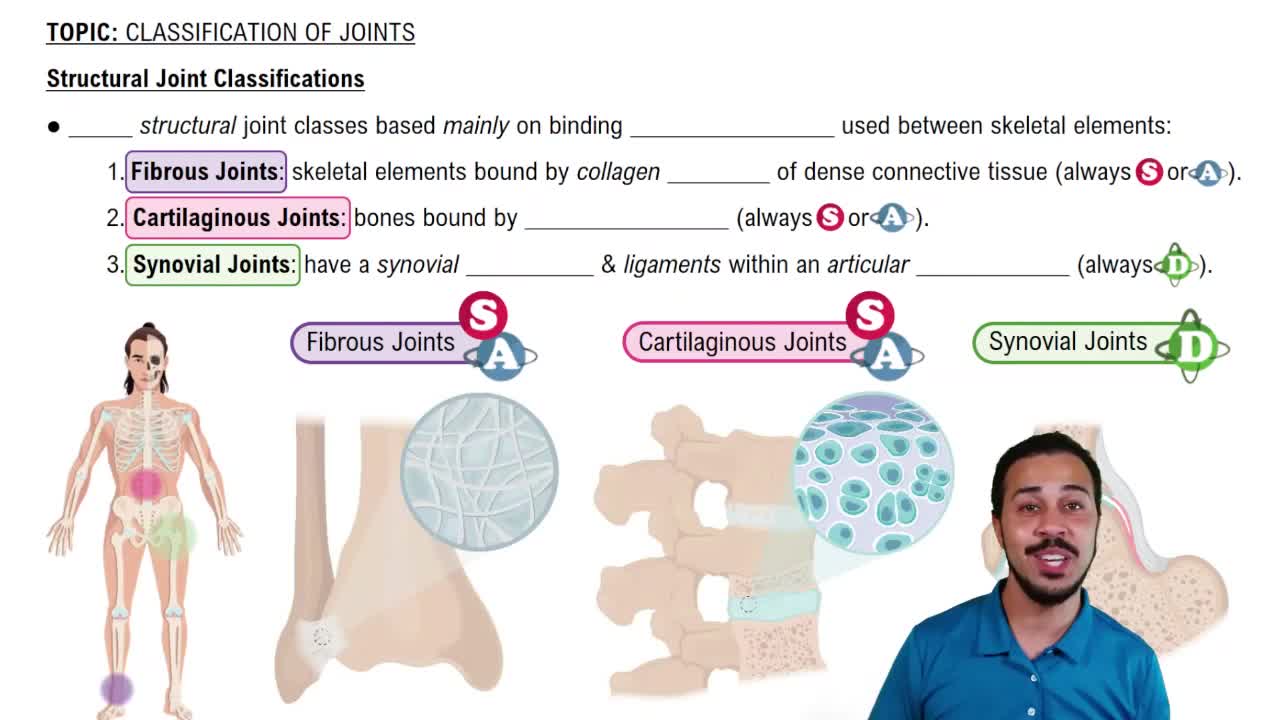
Structural Joint Classifications

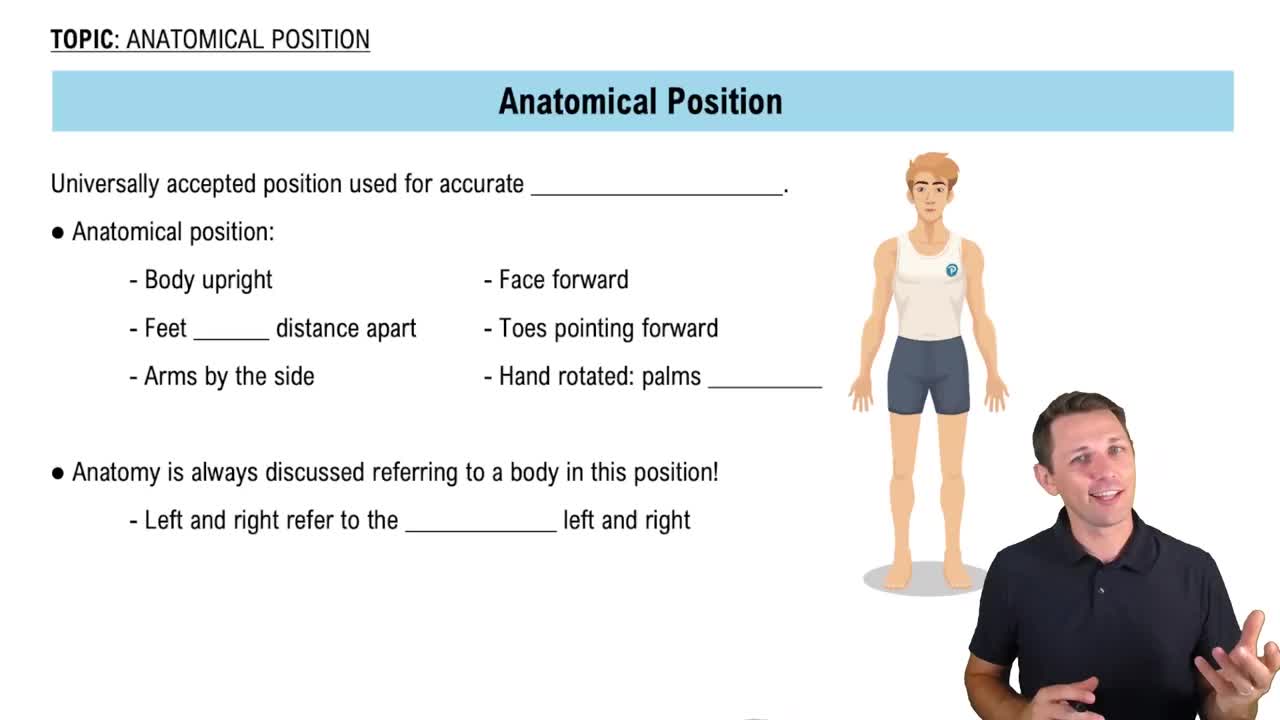
Anatomical Position

The anatomical position is a standardized way of observing or imaging the body that allows for clear communication of anatomical structures. In this position, the body is standing upright, facing forward, with arms at the sides and palms facing forward, which helps in understanding the relationship between different bones in the arm and leg.
추천 영상:
02:40
Anatomical Position