
Ch. 6 The Muscular System
Marieb - Essentials of Human Anatomy & Physiology 13th Edition
Marieb13th EditionEssentials of Human Anatomy & PhysiologyISBN: 9780135624340당신이 사용하는 게 아니라요?교과서 변경
6장, 문제 19c

When Eric returned from jogging, he was breathing heavily and sweating profusely, and he complained that his legs ached and felt weak. On the basis of what you have learned about muscle energy metabolism, respond to the following questions: c. What metabolic product(s) might account for his sore muscles and his feeling of muscle weakness?

검증된 단계별 안내
1
Understand that during intense physical activity, muscles rely on anaerobic metabolism when oxygen supply is insufficient for aerobic metabolism. This process produces energy quickly but leads to the accumulation of metabolic byproducts.
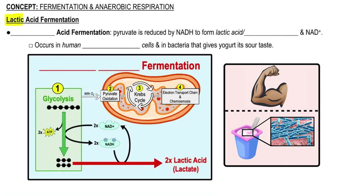
Recall that anaerobic metabolism primarily involves glycolysis, where glucose is broken down into pyruvate. In the absence of sufficient oxygen, pyruvate is converted into lactic acid (or lactate). This buildup of lactic acid can contribute to muscle soreness and fatigue.
Consider that lactic acid accumulation lowers the pH in muscle cells, leading to acidosis. This acidic environment can interfere with enzyme activity and muscle contraction, contributing to the feeling of weakness and discomfort.
Note that prolonged exercise also depletes energy stores such as ATP and glycogen in muscle cells. The lack of readily available energy can further contribute to muscle fatigue and weakness.
Finally, recognize that sweating profusely during exercise leads to the loss of electrolytes (e.g., sodium, potassium, calcium), which are essential for proper muscle function. Electrolyte imbalance can exacerbate muscle weakness and cramping.

비슷한 문제에 대한 검증된 영상 답변:

이 영상 해법은 위 문제에 도움이 된다고 튜터들이 추천한 것입니다.
영상 길이:
1m
도움이 되었나요?

주요 개념

질문에 올바르게 답하기 위해 반드시 이해해야 하는 핵심 개념들은 다음과 같습니다.

Lactic Acid Production

During intense exercise, such as jogging, the body may rely on anaerobic metabolism for energy, leading to the production of lactic acid. This occurs when oxygen levels are insufficient for aerobic respiration, causing pyruvate to convert into lactic acid. Accumulation of lactic acid in the muscles can contribute to soreness and fatigue, as it can interfere with muscle contraction and lead to a burning sensation.
추천 영상:
03:33
Lactic Acid Fermentation

Muscle Fatigue

Muscle fatigue is a temporary condition resulting from prolonged physical activity, characterized by a decrease in muscle performance and strength. It can be caused by various factors, including the depletion of energy stores (like glycogen), accumulation of metabolic byproducts (such as lactic acid), and ionic imbalances within muscle cells. This fatigue can manifest as weakness and discomfort in the muscles after strenuous exercise.
추천 영상:
가이드 코스
2:00
Introduction to Muscles and Muscle Tissue Example 1

Energy Systems in Muscle Metabolism

Muscle energy metabolism involves three primary energy systems: the phosphagen system, anaerobic glycolysis, and aerobic respiration. The phosphagen system provides immediate energy for short bursts of activity, while anaerobic glycolysis kicks in during high-intensity efforts, producing energy quickly but less efficiently. Aerobic respiration is utilized during prolonged, lower-intensity activities. Understanding these systems helps explain how muscles generate energy and the resulting metabolic byproducts during exercise.
추천 영상:
4:58
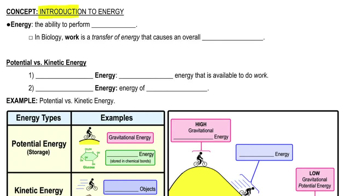
Introduction to Energy
관련 실천