
Melissa, age 40, comes to the clinic, troubled by swelling in her face and unusual fat deposition on her back and abdomen. She reports that she bruises easily. Blood tests show an elevated glucose level. What is your diagnosis, and which glands might be causing the problem?
Ch. 9 The Endocrine System

9장, 문제 19
The parents of 14-year-old Megan are concerned about her height because she is only 4 feet tall and they are both close to 6 feet tall. After tests by their doctor, certain hormones are prescribed for the girl. What is the probable diagnosis? What hormones are prescribed, and why might the girl expect to reach normal height?
검증된 단계별 안내1
The probable diagnosis is growth hormone deficiency (GHD), which occurs when the pituitary gland does not produce enough growth hormone (GH). This can result in stunted growth and delayed physical development.
The hormones prescribed are likely synthetic growth hormone (somatropin). This hormone mimics the natural growth hormone produced by the pituitary gland and stimulates growth in bones and tissues.
Growth hormone therapy works by promoting the growth of long bones through stimulation of the epiphyseal (growth) plates. These plates are still active in adolescents like Megan, allowing for potential height increase.
The doctor will likely monitor Megan's progress through regular check-ups, including measuring her height, assessing her growth rate, and possibly conducting blood tests to ensure the therapy is effective and safe.
If the therapy is started early enough and Megan's growth plates have not yet closed (a process that occurs after puberty), she can expect to achieve a height closer to her genetic potential, which is influenced by her parents' heights.

비슷한 문제에 대한 검증된 영상 답변:
이 영상 해법은 위 문제에 도움이 된다고 튜터들이 추천한 것입니다.
영상 길이:
1m주요 개념
질문에 올바르게 답하기 위해 반드시 이해해야 하는 핵심 개념들은 다음과 같습니다.
Growth Hormone Deficiency
Growth hormone deficiency occurs when the pituitary gland does not produce enough growth hormone, which is essential for normal growth and development in children. This condition can lead to significantly shorter stature compared to peers, as seen in Megan's case. Diagnosis typically involves clinical evaluation and hormone level testing.
추천 영상:
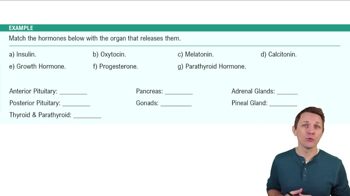
Hormone Review Table Example 1
Hormonal Treatment
Hormonal treatment for growth issues often involves the administration of synthetic growth hormone. This therapy aims to stimulate growth in children with deficiencies, helping them achieve a height closer to their genetic potential. The effectiveness of this treatment depends on the timing and duration of therapy, as well as the underlying cause of the growth issue.
추천 영상:
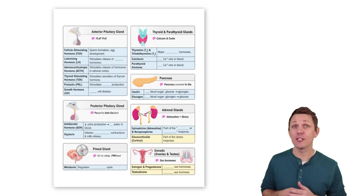
Review of Major Hormones
Genetic Potential and Growth
Genetic potential refers to the height range that a child can achieve based on the heights of their parents and family history. If Megan's growth hormone treatment is successful, she may reach a height that aligns more closely with her genetic potential, despite her current short stature. Factors such as age, health, and adherence to treatment also play critical roles in determining growth outcomes.
추천 영상:
가이드 코스
Genetic Code
관련 실천
교과서 질문
817
views
교과서 질문
Name three hormone antagonists of insulin and one of PTH.
1102
views
교과서 질문
Two hormones are closely involved in the regulation of the fluid and electrolyte balance of the body. Name them, and explain their effects on their common target organ.
799
views
교과서 질문
The anterior pituitary is often referred to as the master endocrine gland, but it too has a 'master.' What controls the release of hormones by the anterior pituitary?
1011
views
교과서 질문
Mr. Flores brings his wife to the clinic, concerned about her nervousness, heart palpitations, and excessive sweating. Tests show hyperglycemia and hypertension. What hormones are probably being hypersecreted? What is the cause? What physical factors allow you to rule out thyroid problems?
865
views
