 뒤로
뒤로A Tour of the Cell: Structure and Function of Cells
스터디 가이드 - 스마트 노트
 자료에 맞춘 맞춤형 노트, 핵심 정의, 예시, 맥락을 확장해 제공합니다.
Introduction to Cells
What are Cells?
Cells are the fundamental units of life, forming the basic structural and functional components of all living organisms. The cell theory states that:
All living organisms are composed of one or more cells.
Cells are the basic units of structure and function in living things.
All cells arise from preexisting cells.
Types of Cells
Prokaryotic vs. Eukaryotic Cells
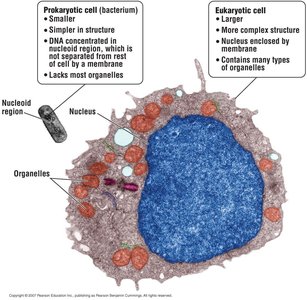
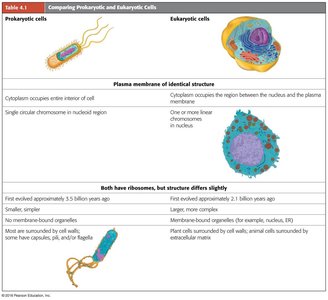
Cells are classified into two main types based on their structural characteristics: prokaryotic and eukaryotic cells.
Prokaryotic Cells: Found only in bacteria and archaea. They are smaller, structurally simpler, and lack membrane-bound organelles. Their DNA is located in a region called the nucleoid, not enclosed by a membrane.
Eukaryotic Cells: Found in animals, plants, fungi, and protists. They are larger, more complex, and contain membrane-bound organelles, including a nucleus that houses their DNA.
Prokaryotic Cell Structure
Key Features of Prokaryotic Cells
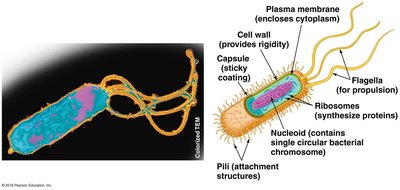
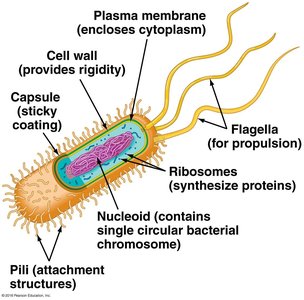
Prokaryotic cells have several distinctive structures:
Cell Wall: Provides rigidity and protection; composed of carbohydrates.
Plasma Membrane: Controls the movement of substances in and out of the cell.
Ribosomes: Sites of protein synthesis.
Nucleoid Region: Area where the single, circular DNA molecule is located.
Plasmids: Small, circular DNA molecules that carry additional genes.
Flagella: Long, whip-like structures used for movement.
Pili and Capsules: Help the cell adhere to surfaces and provide extra protection.
Eukaryotic Cell Structure
Key Features of Eukaryotic Cells
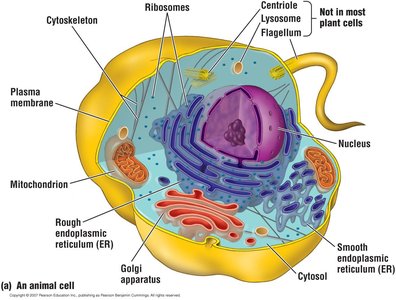
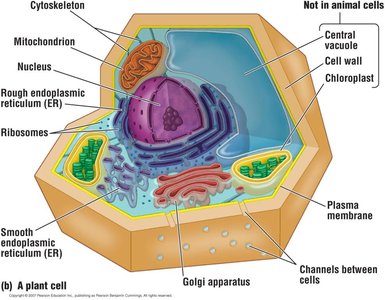
Eukaryotic cells are characterized by compartmentalization, with various organelles performing specialized functions. This organization increases efficiency and allows for division of labor within the cell.
Nucleus: Contains the cell's genetic material and controls cellular activities.
Cytoplasm: The region between the nucleus and the plasma membrane, containing organelles and cytosol.
Membrane-bound Organelles: Structures such as mitochondria, endoplasmic reticulum, Golgi apparatus, lysosomes, and (in plants) chloroplasts and central vacuole.
Cell Membranes
Structure and Function of Cell Membranes
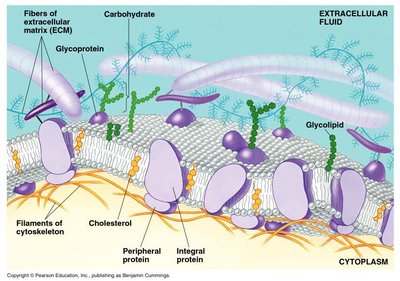
Cell membranes are essential for maintaining the internal environment of the cell. They:
Separate the cell from its external environment.
Control the flow of molecules into and out of the cell.
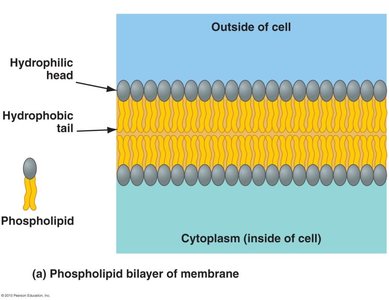
Are composed primarily of a phospholipid bilayer with embedded proteins, cholesterol, and carbohydrates.
Exhibit fluid mosaic model properties: membranes are fluid, not static, and are asymmetrical.
Major Organelles and Their Functions
Nucleus
The nucleus is the control center of the cell, containing most of the cell's DNA. It is surrounded by a double membrane called the nuclear envelope and contains the nucleolus, where ribosome components are made.
Function: Stores genetic information, coordinates cell activities such as growth, metabolism, and reproduction.
Ribosomes
Ribosomes are the sites of protein synthesis. They can be found floating freely in the cytoplasm or attached to the endoplasmic reticulum.
Function: Translate genetic information into proteins.
Endomembrane System
The endomembrane system is a network of membranes involved in the synthesis, modification, and transport of cellular products.
Endoplasmic Reticulum (ER): Rough ER has ribosomes and synthesizes proteins; Smooth ER lacks ribosomes and synthesizes lipids and detoxifies toxins.
Golgi Apparatus: Modifies, sorts, and packages proteins and lipids for storage or transport out of the cell.
Lysosomes: Contain digestive enzymes to break down waste materials and cellular debris (mainly in animal cells).
Vacuoles: Large storage sacs found mainly in plant cells, storing water, nutrients, and waste products.
Energy-Related Organelles
Mitochondria: Sites of cellular respiration, converting chemical energy from food into ATP. Present in all eukaryotic cells.
Chloroplasts: Found in plants and some protists; sites of photosynthesis, converting solar energy into chemical energy (sugars).
Comparing Plant and Animal Cells
Unique Features
Animal Cells: Contain lysosomes and centrioles (for cell division).
Plant Cells: Have a cellulose cell wall, chloroplasts, and a large central vacuole.
The Cytoskeleton
Structure and Function
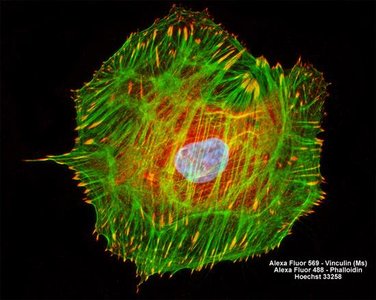
The cytoskeleton is a network of protein fibers that provides mechanical support, maintains cell shape, anchors organelles, and facilitates cell movement.
Acts as "train tracks" for movement of vesicles within the cell.
Enables cell movement via structures like cilia and flagella.
Summary Table: Comparing Prokaryotic and Eukaryotic Cells
Feature | Prokaryotic Cells | Eukaryotic Cells |
|---|---|---|
Size | Smaller (1-10 μm) | Larger (10-100 μm) |
Nucleus | Absent | Present |
Organelles | Few or none | Many, membrane-bound |
DNA | Single, circular, in nucleoid | Multiple, linear, in nucleus |
Examples | Bacteria, Archaea | Animals, Plants, Fungi, Protists |
Conclusion
Understanding the structure and function of cells is fundamental to biology. Cells are highly organized, dynamic units that carry out all the processes necessary for life. The diversity of cell types and their specialized structures reflect the complexity and adaptability of living organisms.
