 뒤로
뒤로Biomolecules: Structure, Function, and Synthesis in Cells
스터디 가이드 - 스마트 노트
 자료에 맞춘 맞춤형 노트, 핵심 정의, 예시, 맥락을 확장해 제공합니다.
Biomolecules: Structure, Function, and Synthesis in Cells
Introduction to Biomolecules
Biomolecules are essential organic compounds that form the basis of life. Cells synthesize large, complex molecules from a limited set of small molecules, primarily through the assembly of macromolecules. These macromolecules are crucial for cellular structure, function, and regulation.
Macromolecules are large molecules, often polymers, composed of repeating subunits called monomers.
Four major classes of biomolecules in living organisms:
Nucleic acids (~15%)
Proteins (~50%)
Carbohydrates (~15%)
Lipids (~15%)
Cells are approximately 80% water; the remaining 20% consists of these biomolecules in the proportions above.
Monomers and Polymers
Macromolecules are often polymers, constructed from monomers through specific chemical reactions. The process of building and breaking down these molecules is fundamental to cellular metabolism.
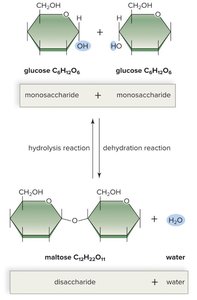
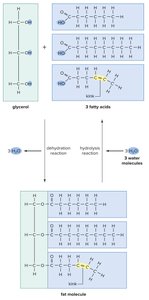
Dehydration Synthesis (Condensation): Joins monomers by removing a water molecule, forming a covalent bond.
Hydrolysis: Breaks polymers into monomers by adding a water molecule, cleaving the covalent bond.
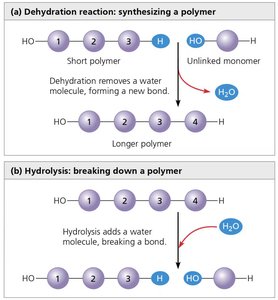
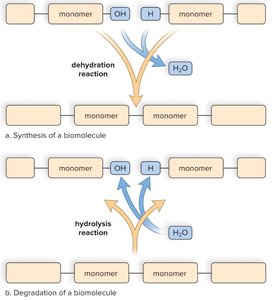
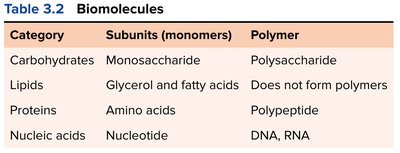
Table: Major Biomolecules, Their Monomers, and Polymers
Category | Subunits (Monomers) | Polymer |
|---|---|---|
Carbohydrates | Monosaccharide | Polysaccharide |
Lipids | Glycerol and fatty acids | Does not form polymers |
Proteins | Amino acids | Polypeptide |
Nucleic acids | Nucleotide | DNA, RNA |
Carbon: The Backbone of Life
Properties of Carbon
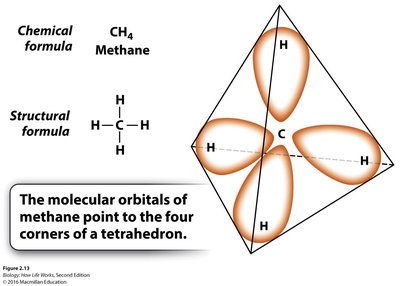
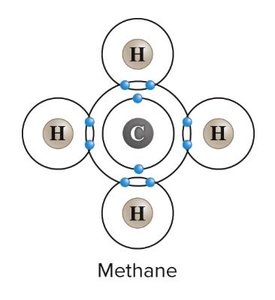
Carbon is the central element in organic molecules due to its unique bonding properties. Its versatility allows for the formation of a wide variety of molecular structures, which underlie the diversity of life.
Carbon atoms can form four covalent bonds, allowing for complex branching and ring structures.
Carbon-based molecules are called organic compounds.
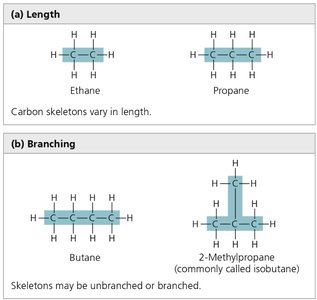
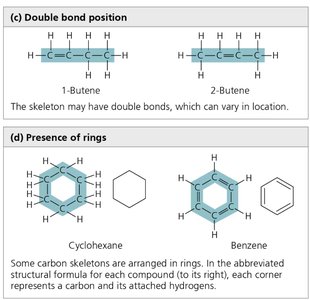
Carbon skeletons can vary in length, branching, double bond position, and ring formation.
Functional Groups
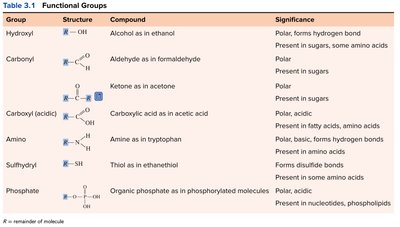
Functional groups are specific groups of atoms attached to the carbon skeleton that determine the chemical reactivity and properties of organic molecules. Only a few functional groups are responsible for the diversity of biomolecular functions.
Common functional groups include: Hydroxyl, Carbonyl, Carboxyl, Amino, Sulfhydryl, and Phosphate.
Functional groups confer polarity, acidity, basicity, and other chemical properties.
Group | Structure | Compound | Significance |
|---|---|---|---|
Hydroxyl | –OH | Alcohol (ethanol) | Polar, forms hydrogen bonds |
Carbonyl | –C=O | Aldehyde, Ketone | Polar, present in sugars |
Carboxyl | –COOH | Carboxylic acid | Polar, acidic |
Amino | –NH2 | Amine | Polar, basic |
Sulfhydryl | –SH | Thiol | Forms disulfide bonds |
Phosphate | –PO4 | Organic phosphate | Polar, acidic |
Carbohydrates
Structure and Function
Carbohydrates are organic molecules composed of carbon, hydrogen, and oxygen. They serve as energy sources and structural components in cells.
Monosaccharides: Simple sugars (e.g., glucose, C6H12O6).
Disaccharides: Two monosaccharides joined by dehydration synthesis (e.g., maltose).
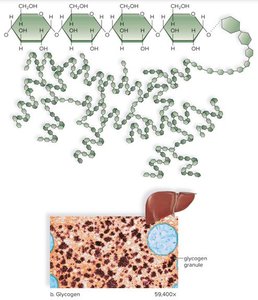
Polysaccharides: Long chains of monosaccharides (e.g., starch, glycogen).
Lipids
Structure and Function
Lipids are hydrophobic molecules that include fats, oils, and phospholipids. They are important for energy storage, membrane structure, and signaling.
Fats are composed of glycerol and three fatty acids, joined by dehydration synthesis to form triglycerides.
Lipids do not form true polymers but are assembled from smaller molecules.
Proteins
Structure and Function
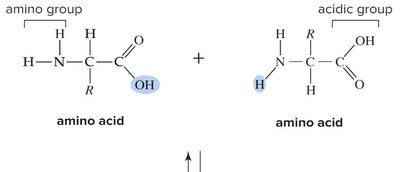
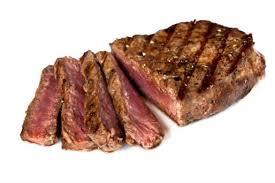
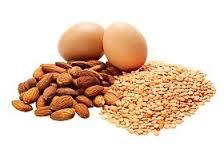
Proteins are polymers of amino acids and perform a vast array of functions, including catalysis, structure, transport, and regulation. The sequence and chemical properties of amino acids determine protein structure and function.
Amino acids are linked by peptide bonds to form polypeptides.
Protein structure is organized into four levels:
Primary structure: Sequence of amino acids.
Secondary structure: Local folding (α-helix, β-sheet) due to hydrogen bonding.
Tertiary structure: Overall 3D shape due to side chain interactions.
Quaternary structure: Association of multiple polypeptide subunits.
Protein function depends on its shape, which can be altered (denatured) by changes in temperature or pH.
Nucleic Acids
Structure and Function
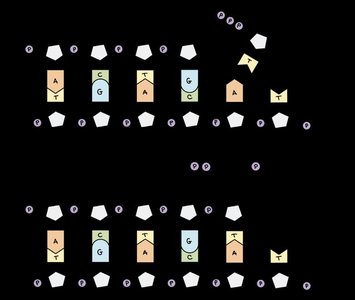
Nucleic acids, including DNA and RNA, store and transmit genetic information. They are polymers of nucleotides, each consisting of a sugar, phosphate group, and nitrogenous base.
DNA is double-stranded, stable, and stores genetic instructions.
RNA is single-stranded, less stable, and involved in protein synthesis and regulation.
Nucleotides are joined by phosphodiester bonds, giving nucleic acids directionality (5' to 3').
Base pairing (A-T/U, G-C) allows for the replication and transcription of genetic information.
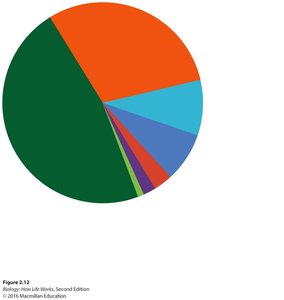
Summary Table: Elements in Biomolecules
Element | Percentage in Cells |
|---|---|
Carbon (C) | 47% |
Oxygen (O) | 30% |
Hydrogen (H) | 9% |
Nitrogen (N) | 8% |
Phosphorus (P) | 3% |
Magnesium (Mg) | 2% |
Others | 1% |
Key Concepts and Practice
pH affects the ionization and behavior of biomolecules, especially amino acid side chains.
Functional groups determine the chemical properties and reactivity of biomolecules.
Dehydration synthesis and hydrolysis are essential for building and breaking down polymers.
Carbon's versatility enables the diversity of organic molecules necessary for life.
