 뒤로
뒤로Carbon and Biomolecules: Structure, Function, and Diversity
스터디 가이드 - 스마트 노트
 자료에 맞춘 맞춤형 노트, 핵심 정의, 예시, 맥락을 확장해 제공합니다.
Carbon: The Foundation of Biological Molecules
Why Carbon is Essential for Life
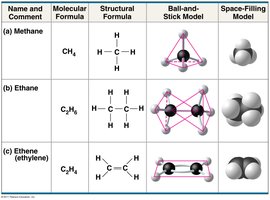
Carbon is a unique element that serves as the backbone for all biological macromolecules. Its ability to form four covalent bonds allows for the construction of a wide variety of complex and diverse molecules essential for life.
Tetravalency: Carbon can form four covalent bonds, enabling the creation of large, stable, and complex molecules.
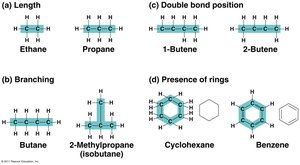
Versatility: Carbon skeletons can vary in length, branching, double bond position, and ring structure, contributing to molecular diversity.
Variation in Carbon Skeletons
Carbon chains can differ in several ways, leading to a vast array of organic molecules with different properties and functions.
Length: Chains can be short or long.
Branching: Chains may be unbranched or branched.
Double Bond Position: Double bonds can be located at different positions along the chain.
Rings: Carbon atoms can form ring structures.
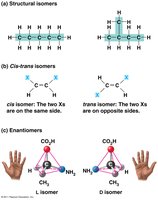
Isomers
Isomers are compounds with the same molecular formula but different structures, resulting in different properties. There are three main types:
Structural Isomers: Differ in the covalent arrangements of their atoms.
Cis-Trans Isomers: Differ in spatial arrangement around a double bond.
Enantiomers: Mirror images of each other, often with different biological activities.
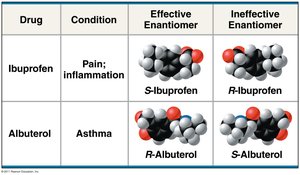
Biological Importance of Isomers
Isomers can have dramatically different effects in biological systems. For example, one enantiomer of a drug may be effective, while the other is inactive or harmful.
Drug | Condition | Effective Enantiomer | Ineffective Enantiomer |
|---|---|---|---|
Ibuprofen | Pain; inflammation | S-Ibuprofen | R-Ibuprofen |
Albuterol | Asthma | R-Albuterol | S-Albuterol |
Functional Groups: Chemical Diversity in Biomolecules
Overview of Functional Groups
Functional groups are specific groups of atoms attached to carbon skeletons that confer distinct chemical properties and reactivity to organic molecules. The seven key functional groups in biology are:
Hydroxyl (–OH)
Carbonyl (C=O)
Carboxyl (–COOH)
Amino (–NH2)
Sulfhydryl (–SH)
Phosphate (–PO42–)
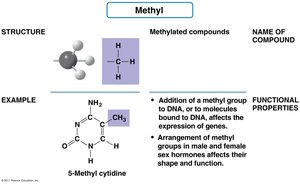
Methyl (–CH3)
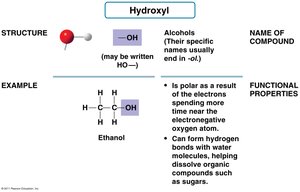
Hydroxyl Group
The hydroxyl group is characteristic of alcohols and increases the polarity of molecules, enhancing their solubility in water.
Structure: –OH
Properties: Polar, forms hydrogen bonds, helps dissolve organic compounds.
Example: Ethanol
Carbonyl Group
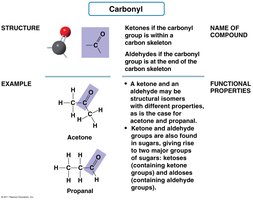
The carbonyl group is found in aldehydes and ketones, contributing to the reactivity of sugars and other molecules.
Structure: C=O
Properties: Increases polarity, can participate in hydrogen bonding.
Example: Acetone (ketone), Propanal (aldehyde)
Carboxyl Group
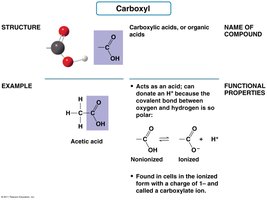
The carboxyl group acts as an acid, donating protons (H+) in solution. It is a defining feature of amino acids and fatty acids.
Structure: –COOH
Properties: Acidic, can ionize to release H+.
Example: Acetic acid
Amino Group
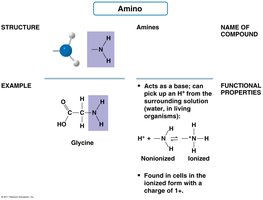
The amino group acts as a base, accepting protons. It is a key component of amino acids, the building blocks of proteins.
Structure: –NH2
Properties: Basic, can pick up H+ from solution.
Example: Glycine
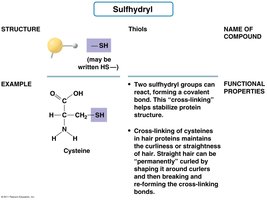
Sulfhydryl Group
The sulfhydryl group is important in stabilizing protein structure through the formation of disulfide bonds.
Structure: –SH
Properties: Can form covalent bonds (disulfide bridges) that stabilize protein structure.
Example: Cysteine
Phosphate Group
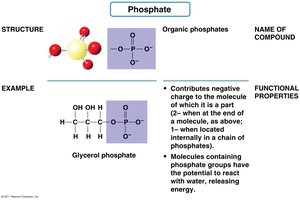
The phosphate group is a key component of nucleic acids and ATP, contributing negative charge and energy transfer capability.
Structure: –PO42–
Properties: Contributes negative charge, can release energy when hydrolyzed.
Example: Glycerol phosphate
ATP: Adenosine Triphosphate
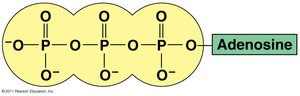
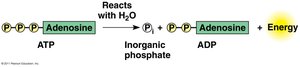
ATP is the primary energy currency of the cell. Its high-energy phosphate bonds can be hydrolyzed to release energy for cellular processes.
Structure: Adenosine attached to three phosphate groups.
Function: Energy transfer in cells.
Methyl Group
The methyl group is involved in the regulation of gene expression and the modification of DNA and proteins.
Structure: –CH3
Properties: Nonpolar, affects gene expression and molecular shape.
Example: 5-Methyl cytidine
Functional Groups and Biological Activity
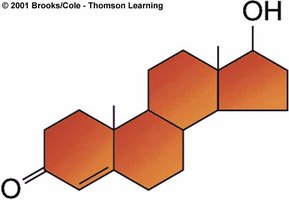
Small changes in functional groups can lead to significant differences in biological activity, as seen in hormones like estrogen and testosterone.

Carbohydrates: Structure and Function
Monomers, Polymers, and Reactions
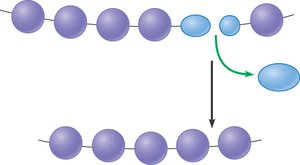
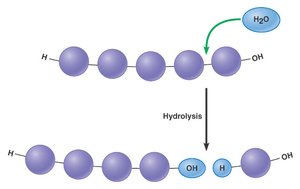
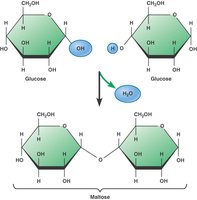
Carbohydrates are composed of monomers (monosaccharides) that can be linked to form polymers (polysaccharides). Two key reactions are involved:
Dehydration Synthesis: Joins monomers by removing water.
Hydrolysis: Breaks polymers into monomers by adding water.
Monosaccharides
Monosaccharides are simple sugars, such as glucose, that serve as the primary energy source for cells.
General Formula: (CH2O)n
Examples: Glucose, fructose, galactose
Disaccharides
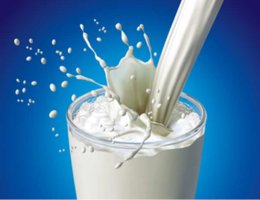
Disaccharides are formed by joining two monosaccharides via a glycosidic bond. Common examples include sucrose and lactose.
Sucrose: Glucose + Fructose
Lactose: Glucose + Galactose

Oligosaccharides and Cell Surface Glycans
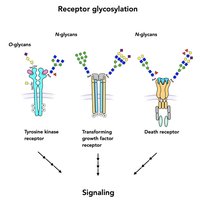
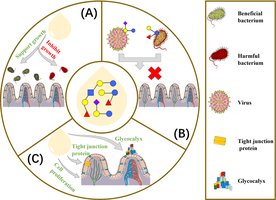
Oligosaccharides are short chains of sugars that play critical roles in cell recognition and communication. Cell surface glycans are essential for immune response and signaling.
Function: Cell-to-cell recognition, signaling, and adhesion.
Human Milk Oligosaccharides (HMOs)
HMOs are a unique component of human breast milk that promote the growth of beneficial gut bacteria and protect infants from pathogens.
Function: Feed beneficial bacteria, act as decoys for pathogens, modulate immune function.

Polysaccharides
Polysaccharides are long chains of monosaccharides with structural or storage roles.
Starch: Storage form of glucose in plants.
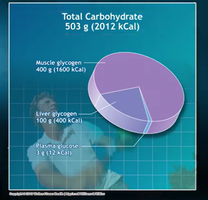
Glycogen: Storage form of glucose in animals, mainly in liver and muscle cells.
Cellulose: Structural component of plant cell walls; indigestible by humans but digestible by some animals with symbiotic microbes.
Chitin: Structural component in arthropod exoskeletons and fungal cell walls.
Proteins: Structure and Function
Types and Functions of Proteins
Proteins are the most diverse macromolecules, serving as enzymes, structural components, signaling molecules, and more. There are eight major types of proteins:
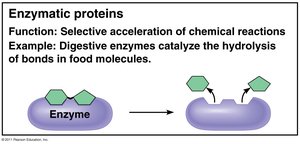
Enzymatic proteins: Catalyze biochemical reactions.
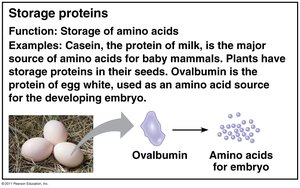
Storage proteins: Store amino acids.
Hormonal proteins: Coordinate organismal activities.
Contractile and motor proteins: Movement.
Defensive proteins: Protection against disease.
Transport proteins: Transport substances.
Receptor proteins: Response to chemical stimuli.
Structural proteins: Support.
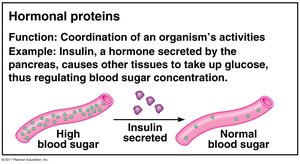
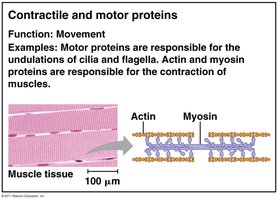
Example: Actin and myosin are contractile proteins responsible for muscle movement.
*Additional info: The diversity of protein function is due to the variety of amino acid sequences and the complex folding of polypeptide chains.*
