 뒤로
뒤로Carbon and Organic Molecules: Structure, Function, and Diversity
스터디 가이드 - 스마트 노트
 자료에 맞춘 맞춤형 노트, 핵심 정의, 예시, 맥락을 확장해 제공합니다.
Carbon and Organic Molecules
Introduction to Carbon in Biology
Carbon is the fundamental building block of life, forming the backbone of organic molecules found in all living organisms. Its unique chemical properties allow it to form stable covalent bonds with a variety of other atoms, enabling the diversity of biological macromolecules.
Versatility: Carbon can form four covalent bonds, allowing for complex molecular structures.
Bond Stability: Covalent bonds formed by carbon are stable across a wide range of temperatures, making them ideal for biological systems.
Bond Diversity: Carbon bonds with hydrogen, oxygen, nitrogen, phosphorus, and sulfur to create a variety of molecules.
Polar and Nonpolar Covalent Bonds
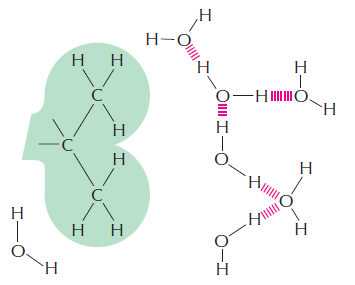
The type of covalent bond formed by carbon depends on the electronegativity of the atoms involved. This determines whether the bond is polar or nonpolar, which in turn affects the molecule's solubility and reactivity.
Nonpolar Bonds: Formed when carbon bonds with atoms of similar electronegativity (e.g., C-H, C-C). These bonds are hydrophobic and do not dissolve well in water.
Polar Bonds: Formed when carbon bonds with more electronegative atoms (e.g., C-O, C-N, C-P, C-S). These bonds are hydrophilic and dissolve in water.
Functional Groups
Overview of Functional Groups
Functional groups are specific groups of atoms within molecules that confer characteristic chemical properties and reactivity. They are critical for the structure and function of biological molecules.
Functional groups participate in characteristic reactions and impart specific chemistry to molecules.
Knowing the structure and properties of functional groups is essential for understanding biomolecular function.

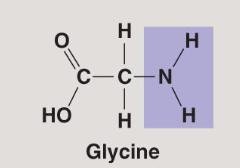
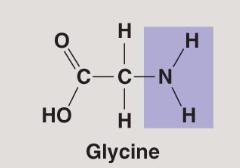
Amino Group (–NH2)
The amino group is weakly basic and can accept a proton at physiological pH, becoming positively charged. It is a defining feature of amino acids.
Polarity: Polar
Example: All amino acids contain an amino group.
Carbonyl Group (Ketone and Aldehyde)
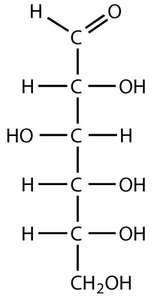
The carbonyl group consists of a carbon atom double-bonded to an oxygen atom. Its properties depend on its position within the molecule:
Ketone: The carbonyl carbon is bonded to two other carbons (e.g., acetone).
Aldehyde: The carbonyl carbon is bonded to one carbon and one hydrogen (e.g., glucose).
Polarity: Polar, highly reactive, forms hydrogen bonds.

Carboxyl Group (–COOH)
The carboxyl group is acidic and can donate a proton at physiological pH, becoming negatively charged. It is present in all amino acids and fatty acids.
Polarity: Polar
Acidity: Acidic, can ionize to –COO–
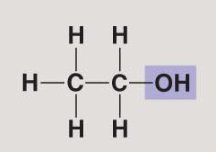
Hydroxyl Group (–OH)
The hydroxyl group is polar and forms hydrogen bonds with water, increasing solubility of molecules in aqueous environments.
Polarity: Polar
Example: Found in alcohols such as ethanol.
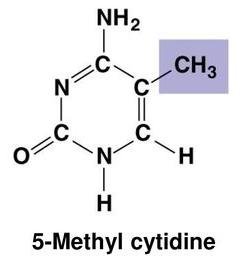
Methyl Group (–CH3)
The methyl group is nonpolar and hydrophobic. Methylation of DNA or proteins can affect gene expression and protein function.
Polarity: Nonpolar
Example: 5-methyl cytidine in DNA.
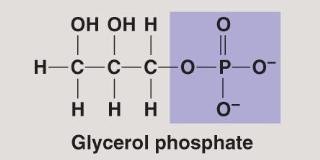
Phosphate Group (–PO42–)
The phosphate group is weakly acidic and negatively charged at physiological pH. It is essential in nucleic acids and energy transfer molecules like ATP.
Polarity: Polar, negatively charged
Example: Glycerol phosphate in phospholipids.
Sulfate Group (–SO4–)
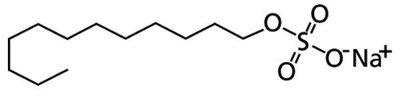
The sulfate group is negatively charged at physiological pH and may be attached to carbohydrates, proteins, and lipids. An example is sodium dodecyl sulfate (SDS), a detergent used in biochemistry.
Polarity: Polar, negatively charged
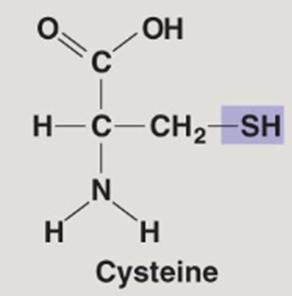
Sulfhydryl Group (–SH)
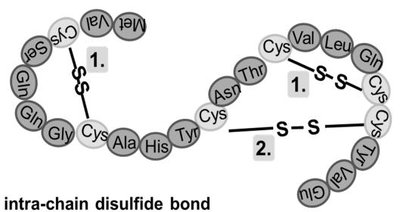
The sulfhydryl group is polar and can form disulfide bridges, which are important for protein structure and stability (e.g., in cysteine residues).
Polarity: Polar
Example: Cysteine amino acid forms disulfide bonds in proteins.
Functional Groups and Biological Function
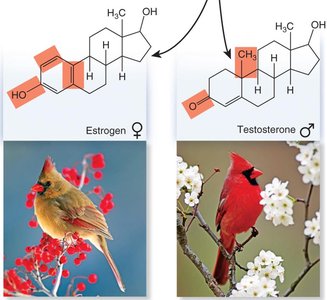
Small changes in functional groups can have significant effects on biological function. For example, estrogen and testosterone differ by only two functional groups, yet have distinct physiological effects.
Isomers
Types of Isomers
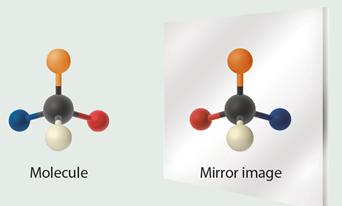
Isomers are molecules with the same molecular formula but different structures and properties. They are classified into structural isomers, stereoisomers, and enantiomers.
Structural Isomers: Same atoms, different bonding relationships.
Stereoisomers: Same bonding relationships, different spatial arrangement of atoms.
Enantiomers: Mirror images of each other, often with identical chemical properties but different biological activities.
Cis-Trans Isomers: Differ in the arrangement around a double bond (cis: same side, trans: opposite sides).
Molecules and Macromolecules
Monomers and Polymers
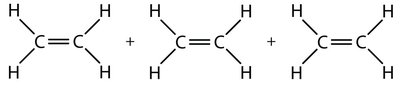
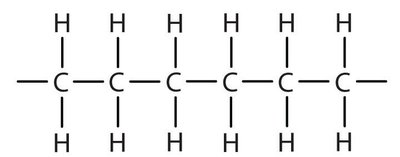
Biological macromolecules are large molecules composed of repeating subunits called monomers. The process of linking monomers to form polymers is essential for the structure and function of cells.
Monomer: A single building block (e.g., amino acid, nucleotide, monosaccharide, fatty acid).
Polymer: A large molecule made by linking many monomers (e.g., protein, nucleic acid, polysaccharide, lipid).
Polymer Formation and Breakdown
Polymers are formed by dehydration reactions (removal of water) and broken down by hydrolysis reactions (addition of water).
Dehydration Reaction: Joins monomers by removing a water molecule.
Hydrolysis Reaction: Breaks polymers into monomers by adding a water molecule.


The Four Classes of Biological Molecules
Overview
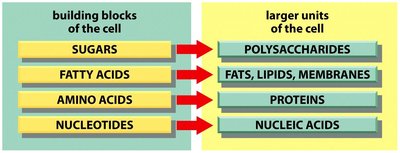
All living organisms contain four major classes of organic molecules, each with distinct monomers and polymers:
Building Block (Monomer) | Larger Unit (Polymer) |
|---|---|
Sugars | Polysaccharides |
Fatty Acids | Fats, Lipids, Membranes |
Amino Acids | Proteins |
Nucleotides | Nucleic Acids |
Additional info: Understanding the structure and function of these molecules is foundational for all topics in biology, including metabolism, genetics, and cell biology.
