 뒤로
뒤로Ch 22 & 23 Evolution
스터디 가이드 - 스마트 노트
 자료에 맞춘 맞춤형 노트, 핵심 정의, 예시, 맥락을 확장해 제공합니다.
Evolution and Natural Selection
Definition and Overview
Evolution is the process by which populations of organisms change over generations through variations in their genetic material. These changes can lead to the development of new species and are driven by mechanisms such as natural selection, mutation, genetic drift, gene flow, and non-random mating. - Evolution: The change in the genetic composition of a population over time. - Natural Selection: The process by which individuals with advantageous traits are more likely to survive and reproduce, passing those traits to the next generation.
Historical Context and Key Figures
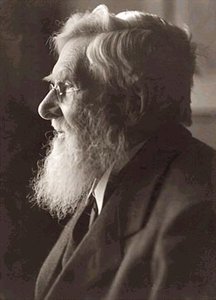
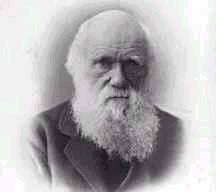
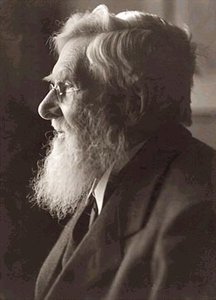
The theory of evolution by natural selection was independently proposed by Charles Darwin and Alfred Russell Wallace in the 19th century. Darwin's work, supported by extensive evidence and logical reasoning, became widely accepted and formed the foundation of modern evolutionary biology. - Charles Darwin (1809-1882): Developed the theory of evolution by natural selection. - Alfred Russell Wallace (1823-1913): Co-founder of the theory, contributed significant insights but was less recognized. 
Key Definitions
Understanding evolution requires clear definitions of biological terms: - Individual: A single organism. - Population: A group of individuals of the same species inhabiting a specific area. - Species: A group of populations whose individuals can interbreed and produce fertile offspring.
Evidence for Evolution
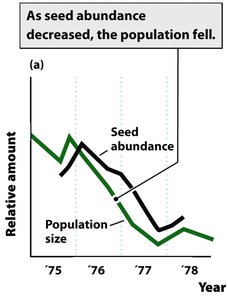
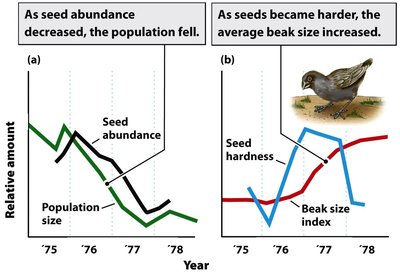
Direct evidence for evolution includes fossil records, comparative anatomy, and observed changes in populations over time. Studies such as those on Galapagos finches by Peter and Rosemary Grant provide real-time examples of evolutionary processes. - Fossil Record: Shows gradual changes in species over millions of years. - Observed Evolution: Examples include changes in finch beak size in response to environmental changes. 

Mechanisms of Evolution
Evolution is driven by five main agents:
Mutation: Random changes in DNA that create new alleles.
Genetic Drift: Changes in allele frequency due to chance, especially in small populations. Includes the bottleneck effect and founder effect.
Gene Flow: Movement of alleles between populations through migration.
Non-random Mating: Individuals select mates based on phenotype, leading to sexual selection and dimorphism.
Natural Selection: Differential survival and reproduction based on inherited traits.
Genetic Drift: Bottleneck and Founder Effects
- Bottleneck Effect: A sharp reduction in population size leads to loss of genetic diversity. - Founder Effect: A new population is established by a small number of individuals, leading to different allele frequencies.
Gene Flow
- Migration of fertile individuals between populations can alter allele frequencies and increase genetic diversity.
Non-random Mating and Sexual Selection
- Assortative Mating: Individuals select mates similar to themselves. - Sexual Selection: Traits that increase mating success become more common.
Natural Selection: Process and Outcomes
Natural selection acts on individuals, but populations evolve. The environment determines which traits are beneficial, leading to adaptation and changes in trait frequencies.
Individuals vary in inherited traits.
More individuals are produced than will survive.
Environment "chooses" individuals with beneficial traits; they survive and reproduce.
Result: Frequency of traits changes in population = Evolution.
Examples of Evolution in Action
Galapagos Finches
Peter and Rosemary Grant's long-term study on Galapagos finches demonstrated rapid evolutionary changes in beak size and shape in response to environmental pressures such as drought and seed availability. 


Industrial Melanism: Biston betularia
The peppered moth (Biston betularia) is a classic example of natural selection, where the frequency of dark and light morphs changed in response to pollution during the Industrial Revolution.
Raw Material for Natural Selection
Genetic variation is essential for evolution. It arises from: - Spontaneous Mutation: Changes in the nucleotide sequence of DNA generate new alleles. - Sexual Reproduction: Processes such as crossing over, independent assortment, and random fertilization increase genetic diversity. 
Summary Table: Five Agents of Evolutionary Change
Agent | Description | Example |
|---|---|---|
Mutation | Random changes in DNA create new alleles | Point mutation in a gene |
Genetic Drift | Chance events change allele frequencies | Bottleneck effect after disaster |
Gene Flow | Movement of alleles between populations | Migration of birds between islands |
Non-random Mating | Mate selection based on phenotype | Sexual selection in birds |
Natural Selection | Survival and reproduction of individuals with advantageous traits | Finch beak size adaptation |
Important Concepts
- Natural selection acts on individuals, but populations evolve. - Evolution requires genetic variation. - Adaptation is the result of natural selection favoring beneficial traits. Equation for Allele Frequency Change (Hardy-Weinberg Principle): where and are the frequencies of two alleles in a population.
Reading Assignment
Endler’s study of guppies (in Wiener 1994): Summarize the study in 4-5 sentences, define natural selection and sexual selection, and answer two questions about the experiment. Additional info: Endler’s guppy study is a classic example of how predation and mate choice drive evolutionary changes in coloration and behavior. ----------------------------------------
