 뒤로
뒤로The Molecular Basis of Inheritance: Central Dogma and the Concept of the Gene
스터디 가이드 - 스마트 노트
 자료에 맞춘 맞춤형 노트, 핵심 정의, 예시, 맥락을 확장해 제공합니다.
Module 2: The Molecular Basis of Inheritance
Introduction
This module explores the molecular foundation of genetics, focusing on the structure and function of genetic material, the central dogma of molecular biology, and the evolving concept of the gene. It connects classical genetics with molecular mechanisms, highlighting key experiments that established DNA (and, in some cases, RNA) as the genetic material.
Essential Functions of Genetic Material
Three Core Functions
Replication (Genotypic Function): The genetic material must be accurately copied and transmitted during cell division (mitosis and meiosis).
Expression (Phenotypic Function): Genes must be expressed to produce observable traits, typically through the synthesis of proteins.
Mutation (Evolutionary Function): The genetic material must be capable of change, generating variation that drives evolution.
These functions are fundamental to heredity, development, and evolution.
Historical Foundations: From Mendel to the Chromosome Theory
Connecting Classical and Molecular Genetics
Mendel: Proposed "unit factors" (genes) that control traits.
Sutton & Boveri: Demonstrated that chromosomes behave as Mendel’s factors must, linking genes to chromosomes.
Morgan & Stevens: Provided evidence that genes reside on chromosomes through experiments with fruit flies.
These discoveries established the chromosomal basis of inheritance, setting the stage for molecular investigations.
What Is the Genetic Material?
Chromosome Composition
Chromosomes are composed of proteins and nucleic acids (DNA and RNA).
Early 20th-century scientists debated which component carried genetic information.
Key Experiments Identifying the Genetic Material
Griffith, Sia, Dawson – Transformation Principle: Demonstrated that a "transforming principle" could transfer virulence between bacterial strains.
Avery, MacLeod, McCarty: Identified DNA as the transforming agent responsible for heredity.
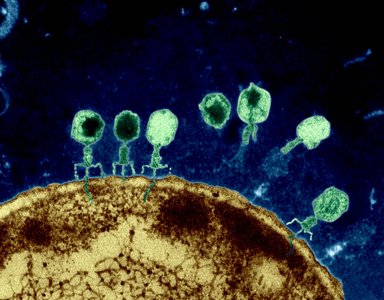
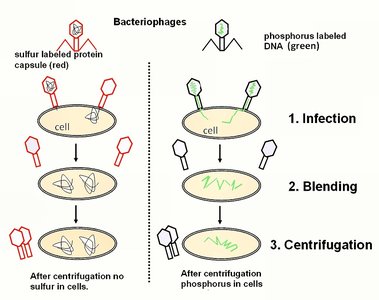
Hershey and Chase: Used bacteriophages to show that DNA, not protein, is the genetic material in viruses that infect bacteria.
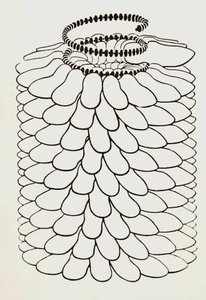
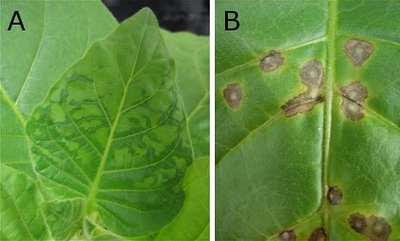
Fraenkel-Conrat & Singer: Showed that RNA can serve as genetic material in some viruses (e.g., Tobacco Mosaic Virus).
Griffith’s Transformation Principle
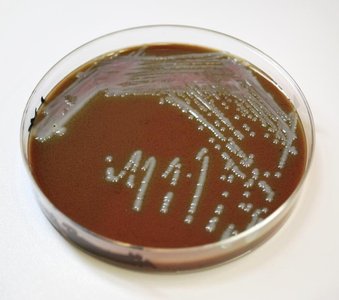
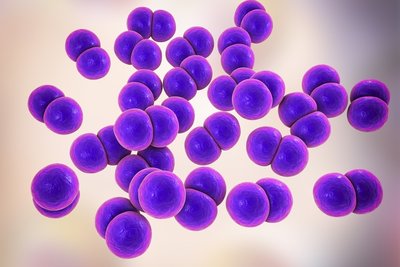
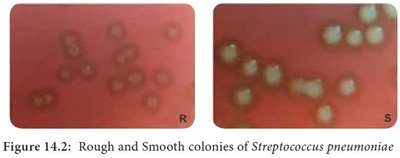
Griffith’s experiments with Streptococcus pneumoniae revealed that non-virulent bacteria could be transformed into virulent forms by exposure to heat-killed virulent bacteria, suggesting the transfer of a "transforming principle."
Avery, MacLeod, and McCarty’s Experiments
By systematically removing proteins, RNA, and DNA from bacterial extracts, Avery and colleagues demonstrated that only DNA could transform non-virulent bacteria, confirming DNA as the hereditary material.
Hershey and Chase Experiment
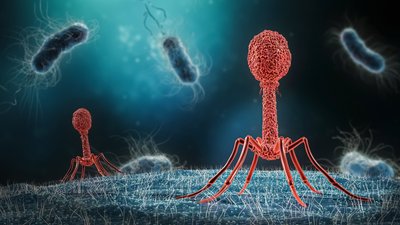
Using radioactive labeling, Hershey and Chase showed that only DNA from bacteriophages enters bacterial cells and directs the production of new viruses, not protein.
Fraenkel-Conrat & Singer: RNA as Genetic Material
Experiments with Tobacco Mosaic Virus (TMV) demonstrated that RNA, not protein, could reconstitute infectious virus particles, proving that RNA can serve as genetic material in some viruses.
The Central Dogma of Molecular Biology
Information Flow
DNA → RNA → Protein: Genetic information is transcribed from DNA to RNA and then translated into protein.
This flow of information explains how genotypes produce phenotypes.
The central dogma underpins our understanding of gene expression and regulation.
The Concept of the Gene
Historical and Modern Definitions
Mendel: A gene is a "unit factor" controlling a specific trait.
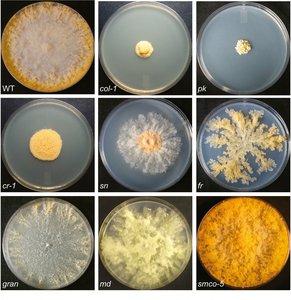
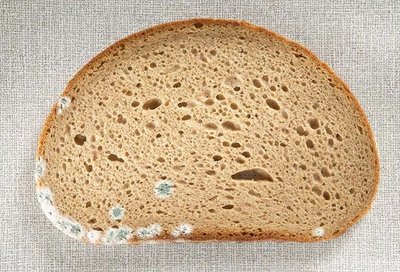
Beadle & Tatum: Proposed the "one gene–one polypeptide" hypothesis based on experiments with the bread mold Neurospora crassa.
Modern View: A gene is a region of DNA that encodes at least one transcript and/or one polypeptide. Not all genes encode proteins; some produce functional RNAs.
Gene Structure in Prokaryotes and Eukaryotes
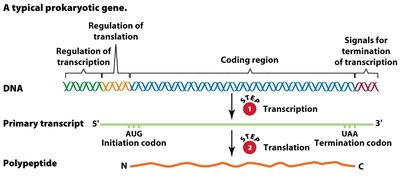
Prokaryotic Genes: Generally simple, with contiguous coding regions and regulatory sequences.
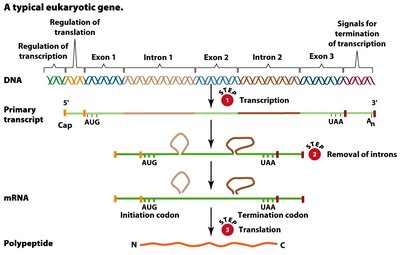
Eukaryotic Genes: More complex, including exons (coding regions), introns (non-coding regions), and regulatory elements in 5′ and 3′ noncoding regions.
Some genes encode multiple products via alternative splicing or produce functional RNAs (e.g., rRNA, tRNA).
Summary Table: Key Experiments in Identifying Genetic Material
Experiment | Organism/System | Key Finding |
|---|---|---|
Griffith, Sia, Dawson | Streptococcus pneumoniae | Transformation principle exists |
Avery, MacLeod, McCarty | Streptococcus pneumoniae | DNA is the transforming agent |
Hershey & Chase | Bacteriophage (virus) | DNA is the genetic material in phages |
Fraenkel-Conrat & Singer | Tobacco Mosaic Virus | RNA can be genetic material in some viruses |
Conclusion
The molecular basis of inheritance is founded on the ability of DNA (and sometimes RNA) to replicate, be expressed, and mutate. The concept of the gene has evolved from a simple unit of heredity to a complex region of DNA capable of producing diverse transcripts and products. Understanding these principles is essential for further study of molecular genetics, gene regulation, and biotechnology.
