뒤로
뒤로The Structure and Function of Large Biological Molecules
스터디 가이드 - 스마트 노트
 자료에 맞춘 맞춤형 노트, 핵심 정의, 예시, 맥락을 확장해 제공합니다.
The Molecules of Life
Overview
All living organisms are composed of four major classes of large biological molecules: carbohydrates, lipids, proteins, and nucleic acids. These molecules are essential for cellular structure and function.
Macromolecules are large molecules made up of thousands of covalently bonded atoms.
Molecular structure determines function, making the two inseparable.
Macromolecules: Polymers and Monomers
Polymer Formation and Breakdown
Macromolecules are often polymers, which are long chains of repeating units called monomers.
Three major classes—carbohydrates, proteins, and nucleic acids—are polymers.
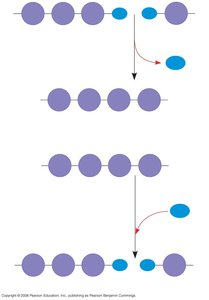
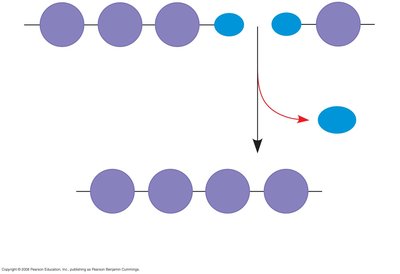
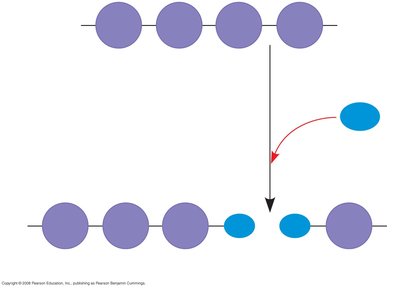
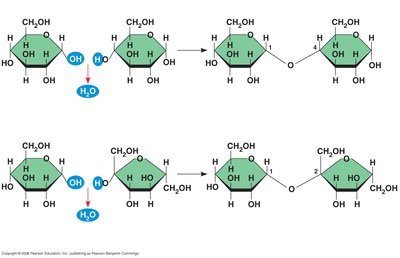
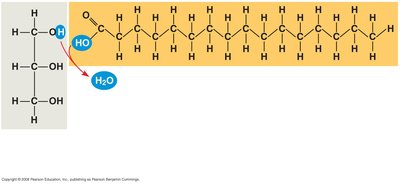
Dehydration (condensation) reactions join monomers by removing a water molecule.
Hydrolysis breaks polymers into monomers by adding water.
Enzymes catalyze both dehydration and hydrolysis reactions.
Carbohydrates: Fuel and Building Material
Monosaccharides, Disaccharides, and Polysaccharides
Carbohydrates are sugars and their polymers, serving as energy sources and structural materials.
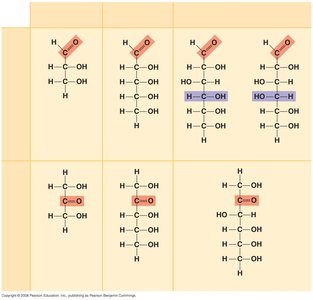
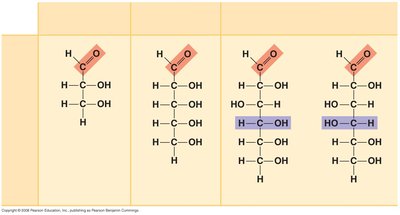
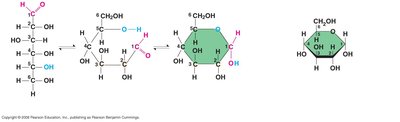
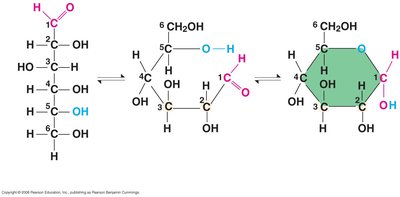
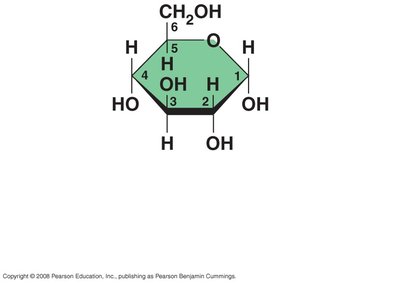
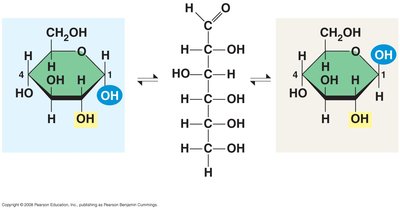
Monosaccharides are single sugar units (e.g., glucose, C6H12O6).
Classified by carbonyl group location (aldose or ketose) and number of carbons.
Often form rings in aqueous solutions.
Disaccharides are formed by dehydration reactions between two monosaccharides, creating a glycosidic linkage.
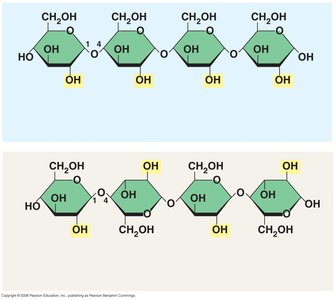
Polysaccharides are long chains of monosaccharides with storage (starch, glycogen) or structural (cellulose, chitin) roles.
Storage and Structural Polysaccharides
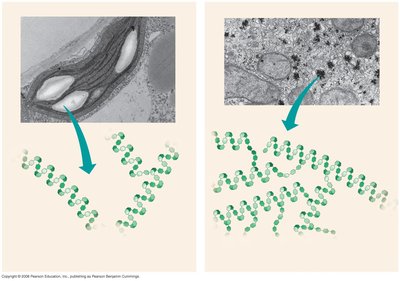
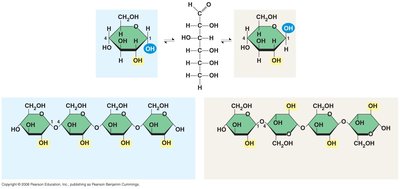
Starch: Plant storage polysaccharide, composed of glucose monomers.
Glycogen: Animal storage polysaccharide, stored in liver and muscle cells.
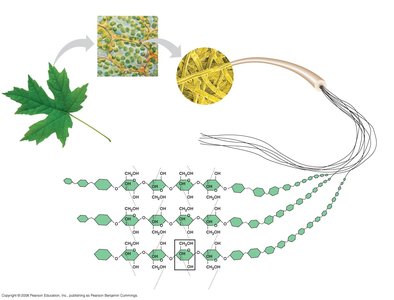
Cellulose: Structural polysaccharide in plant cell walls, composed of β-glucose monomers.
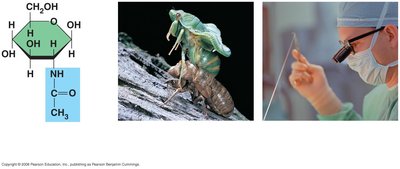
Chitin: Structural polysaccharide in arthropod exoskeletons and fungal cell walls.
Lipids: Hydrophobic Molecules
Fats, Phospholipids, and Steroids
Lipids are a diverse group of hydrophobic molecules, not true polymers.
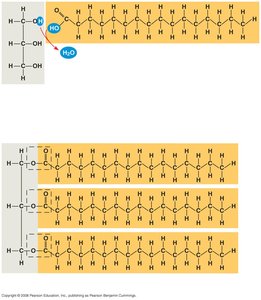
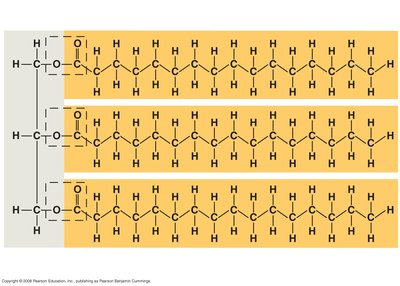
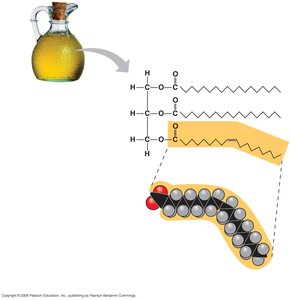
Fats are made from glycerol and fatty acids, joined by ester linkages to form triglycerides.
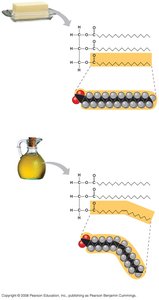
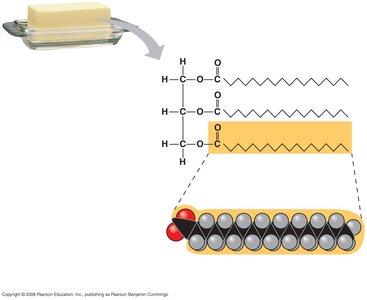
Saturated fats have no double bonds and are solid at room temperature; unsaturated fats have one or more double bonds and are liquid.
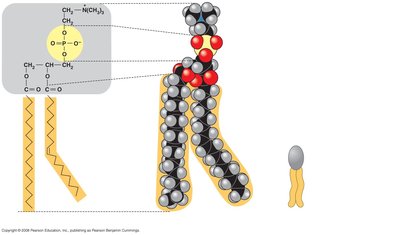
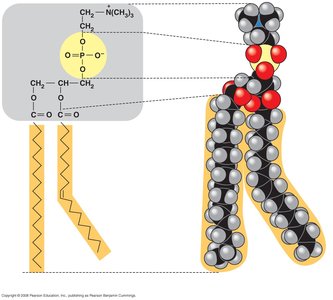
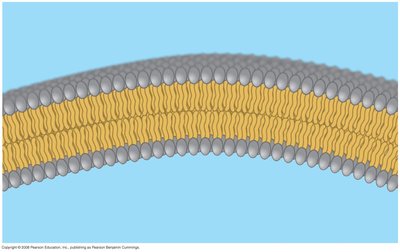
Phospholipids have two fatty acids and a phosphate group attached to glycerol, forming cell membrane bilayers.
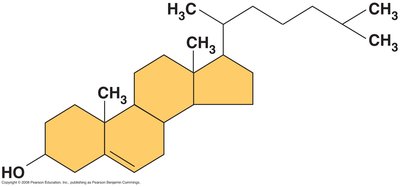
Steroids have a four-ring carbon skeleton; cholesterol is a key steroid in animal cell membranes.
Proteins: Structure and Function
Protein Functions
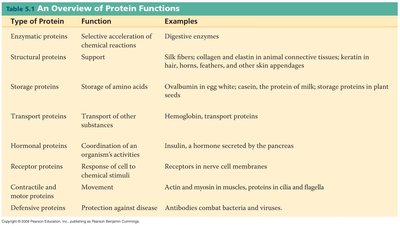
Proteins are the most versatile macromolecules, performing a wide range of functions.
Functions include structural support, storage, transport, communication, movement, defense, and catalysis (enzymes).
Type of Protein | Function | Examples |
|---|---|---|
Enzymatic proteins | Selective acceleration of chemical reactions | Digestive enzymes |
Structural proteins | Support | Collagen, keratin |
Storage proteins | Storage of amino acids | Ovalbumin, casein |
Transport proteins | Transport of substances | Hemoglobin |
Hormonal proteins | Coordination of activities | Insulin |
Receptor proteins | Response to stimuli | Receptors in nerve cells |
Contractile and motor proteins | Movement | Actin, myosin |
Defensive proteins | Protection against disease | Antibodies |
Amino Acids and Polypeptides
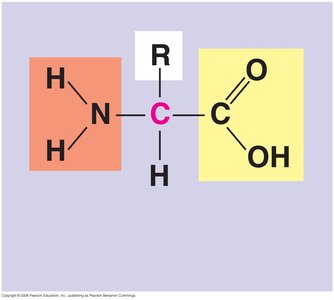
Amino acids are organic molecules with amino and carboxyl groups, differing by their side chains (R groups).
Amino acids are linked by peptide bonds to form polypeptides.
Proteins are composed of one or more polypeptides.
Protein Structure
Proteins have four levels of structure:
Primary structure: Unique sequence of amino acids.
Secondary structure: Coils (α helix) and folds (β pleated sheet) due to hydrogen bonding.
Tertiary structure: Three-dimensional shape formed by interactions among R groups.
Quaternary structure: Association of multiple polypeptide chains.
Example: Hemoglobin is a globular protein with quaternary structure, consisting of four polypeptide chains.
Nucleic Acids: Hereditary Information
DNA and RNA
Nucleic acids store and transmit genetic information.
DNA (deoxyribonucleic acid) and RNA (ribonucleic acid) are polymers of nucleotides.
Nucleotides consist of a nitrogenous base, a pentose sugar, and a phosphate group.
DNA directs its own replication and the synthesis of RNA, which in turn directs protein synthesis.
Example: The sequence of bases in DNA encodes genetic information, which is transcribed to mRNA and translated into proteins.
Emergent Properties and Organization
Review
Higher levels of biological organization result in emergent properties, emphasizing the importance of molecular structure and organization in the chemistry of life. Additional info: Molecular biology techniques, such as X-ray crystallography and bioinformatics, are used to study protein and nucleic acid structures.