
Ch. 42 - Gas Exchange and Circulation
Freeman - Biological Science 8th Edition
Freeman8th EditionBiological ScienceISBN: 9780138276263당신이 사용하는 게 아니라요?교과서 변경
42장, 문제 8

Explain why a person who survives a myocardial infarction might need to have an artificial pacemaker implanted.

검증된 단계별 안내
1
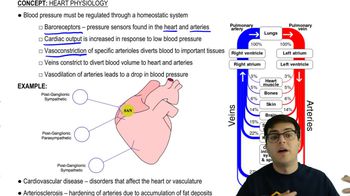
A myocardial infarction, commonly known as a heart attack, occurs when blood flow to a part of the heart is blocked for a long enough time that part of the heart muscle is damaged or dies. This can affect the heart's electrical system.
The heart's electrical system controls the rate and rhythm of the heartbeat. Damage from a myocardial infarction can disrupt this system, potentially leading to arrhythmias, which are irregular heartbeats.
If the natural pacemaker of the heart (the sinoatrial node) or other parts of the electrical pathway are damaged, the heart may beat too slowly, too fast, or with an irregular rhythm, which can be life-threatening.
An artificial pacemaker is a small device that's placed in the chest or abdomen to help control abnormal heart rhythms. This device uses electrical pulses to prompt the heart to beat at a normal rate.
Implanting an artificial pacemaker post-myocardial infarction can be crucial if the heart's natural pacemaker is no longer capable of maintaining an adequate heart rate or rhythm to meet the body's needs.

비슷한 문제에 대한 검증된 영상 답변:

이 영상 해법은 위 문제에 도움이 된다고 튜터들이 추천한 것입니다.
영상 길이:
45s
도움이 되었나요?

주요 개념

질문에 올바르게 답하기 위해 반드시 이해해야 하는 핵심 개념들은 다음과 같습니다.

Myocardial Infarction

A myocardial infarction, commonly known as a heart attack, occurs when blood flow to a part of the heart is blocked, usually by a blood clot. This blockage can damage or destroy heart muscle tissue due to lack of oxygen. The severity of the damage can affect the heart's ability to pump blood effectively, leading to complications such as arrhythmias or heart failure.
추천 영상:
07:53
Cardiovascular Disease

Arrhythmia

Arrhythmia refers to an irregular heartbeat, which can manifest as a heart that beats too fast, too slow, or in an uncoordinated manner. After a myocardial infarction, the heart's electrical system may be disrupted, leading to arrhythmias that can be life-threatening. An artificial pacemaker can help regulate the heart's rhythm by sending electrical impulses to prompt the heart to beat at a normal rate.

Artificial Pacemaker

An artificial pacemaker is a medical device implanted in the chest to help control abnormal heart rhythms. It consists of a pulse generator and leads that are placed in the heart. The pacemaker monitors the heart's electrical activity and delivers electrical impulses when necessary to maintain a regular heartbeat, thus improving blood flow and reducing the risk of complications following a myocardial infarction.
추천 영상:
가이드 코스
03:41
Natural and Artificial Selection
관련 실천
교과서 질문

Frog lungs have a smaller surface area for gas exchange than mammalian lungs. How do frogs compensate for this difference?

a. Frog tissue absorbs more oxygen from the blood than mammalian tissue does.

b. Frogs breathe more quickly than mammals.

c. Frogs also obtain oxygen via diffusion across the skin.

d. Frog lung tissue has a greater density of capillary beds than mammalian lung tissue.

2187
views
교과서 질문

Carp are fishes that thrive in stagnant-water habitats with low oxygen partial pressure. Compared with the hemoglobin of many other fish species, carp hemoglobin has an extremely high affinity for O₂.

Draw an oxygen–hemoglobin equilibrium curve showing separate lines for carp and a fish that lives in water with a higher oxygen partial pressure.

Explain why they differ.

1253
views
교과서 질문

During exercise, the cardiovascular system must supply muscles with large amounts of oxygen and fuel and get rid of a lot of waste.

How do the cardiovascular systems of athletes respond to prolonged exercise?

During athletic training, the oxygen–hemoglobin dissociation curve

a. Shifts to the right, unloading more oxygen to tissues.

b. Shifts to the right, unloading less oxygen to tissues.

c. Shifts to the left, unloading more oxygen to tissues.

d. Shifts to the left, unloading less oxygen to tissues.

619
views
교과서 질문

Why did separate systemic and pulmonary circulations evolve in species that have the high-pressure circulatory system required for rapid movement of blood?

762
views
교과서 질문

Explain how each parameter in Fick's law of diffusion is reflected in the structure of the mammalian lung.

1301
views
교과서 질문

Predict how Antarctic icefish can transport enough oxygen in their blood to meet their needs even though they lack hemoglobin.

723
views