Ch. 53 - Ecosystems and Global Ecology
Freeman - Biological Science 8th Edition
Freeman8th EditionBiological ScienceISBN: 9780138276263당신이 사용하는 게 아니라요?교과서 변경
53장, 문제 6

Explain why decomposition rates in a field in Nebraska would differ from the decomposition rates in a field in the Amazon. How do decomposers regulate nutrient availability in ecosystems?

검증된 단계별 안내
1
Identify the environmental factors affecting decomposition: Decomposition rates vary primarily due to differences in climate, soil type, and the diversity of decomposer organisms. In this case, Nebraska and the Amazon have vastly different climates, which is the first point of comparison.
Compare the climates of Nebraska and the Amazon: Nebraska experiences a temperate climate with cold winters and hot summers, which can slow down decomposition during extreme temperatures. In contrast, the Amazon has a tropical rainforest climate with high temperatures and humidity year-round, which accelerates decomposition.
Consider the role of decomposer organisms: The Amazon rainforest has a higher biodiversity, including a wide variety of decomposers like bacteria, fungi, and insects, which enhances the decomposition process. Nebraska, with its less diverse ecosystem, might have fewer types of decomposers, potentially slowing the decomposition process.
Discuss the impact of soil type and moisture: Soil type and moisture levels also influence decomposition rates. The Amazon's rich, moist soil promotes faster decomposition compared to the often drier and sometimes frozen soil found in Nebraska fields.
Explain how decomposers regulate nutrient availability: Decomposers break down dead organic material into simpler inorganic substances, releasing nutrients such as nitrogen and phosphorus back into the soil. This process is crucial for nutrient cycling, making nutrients available to plants and other organisms in the ecosystem, thereby supporting new growth and maintaining ecological balance.

비슷한 문제에 대한 검증된 영상 답변:

이 영상 해법은 위 문제에 도움이 된다고 튜터들이 추천한 것입니다.
영상 길이:
1m
도움이 되었나요?

주요 개념

질문에 올바르게 답하기 위해 반드시 이해해야 하는 핵심 개념들은 다음과 같습니다.

Decomposition Rates

Decomposition rates refer to the speed at which organic matter is broken down by decomposers, such as bacteria and fungi. These rates are influenced by environmental factors like temperature, moisture, and the chemical composition of the organic material. In warmer, wetter climates like the Amazon, decomposition occurs more rapidly due to higher microbial activity compared to cooler, drier regions like Nebraska.
추천 영상:

Decomposers

Decomposers are organisms that break down dead organic material, recycling nutrients back into the ecosystem. They play a crucial role in nutrient cycling by converting complex organic substances into simpler compounds that can be utilized by plants. The diversity and abundance of decomposers can vary significantly between ecosystems, affecting the overall nutrient availability.
추천 영상:
가이드 코스
02:25
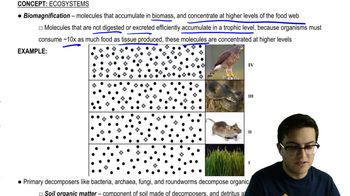
Biomagnification and Decomposers

Nutrient Availability

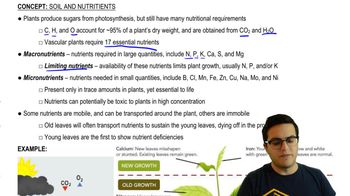
Nutrient availability refers to the presence of essential nutrients in forms that can be absorbed by plants and other organisms. Decomposers enhance nutrient availability by breaking down organic matter, releasing nutrients like nitrogen and phosphorus into the soil. This process is vital for maintaining soil fertility and supporting plant growth, which in turn sustains the entire food web.
추천 영상: