Ch. 10 - DNA Replication
Klug - Essentials of Genetics 10th Edition
Klug10th EditionEssentials of GeneticsISBN: 9780135588789당신이 사용하는 게 아니라요?교과서 변경
10장, 문제 11

What was the significance of the polA1 mutation?

검증된 단계별 안내
1
Understand that the polA1 mutation refers to a specific mutation in the gene encoding DNA polymerase I in bacteria, often studied in genetics to analyze DNA replication and repair mechanisms.
Recognize that DNA polymerase I has multiple functions, including DNA synthesis and exonuclease activities important for DNA repair and replication fidelity.
Identify that the polA1 mutation typically results in a defective or altered DNA polymerase I enzyme, which can affect the cell's ability to properly replicate or repair DNA.
Explore experimental evidence showing how the polA1 mutation impacts processes such as DNA repair pathways, mutagenesis rates, or sensitivity to DNA-damaging agents.
Conclude that the significance of the polA1 mutation lies in its use as a tool to understand the role of DNA polymerase I in maintaining genome integrity and its involvement in DNA replication and repair.

비슷한 문제에 대한 검증된 영상 답변:

이 영상 해법은 위 문제에 도움이 된다고 튜터들이 추천한 것입니다.
영상 길이:
59s
도움이 되었나요?

주요 개념

질문에 올바르게 답하기 위해 반드시 이해해야 하는 핵심 개념들은 다음과 같습니다.

polA Gene and DNA Polymerase I

The polA gene encodes DNA polymerase I in bacteria, an enzyme crucial for DNA replication and repair. It has both polymerase and exonuclease activities, allowing it to synthesize DNA and remove RNA primers during replication.
추천 영상:
가이드 코스
02:43
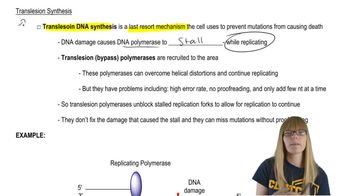
Translesion Synthesis

polA1 Mutation

The polA1 mutation is a specific alteration in the polA gene that typically results in a defective or inactive DNA polymerase I enzyme. This mutation helps researchers study the enzyme's role by observing the effects of its loss on DNA replication and repair.
추천 영상:
가이드 코스
10:48
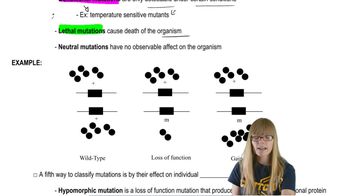
Mutations and Phenotypes

Significance in Genetic Research

Studying the polA1 mutation revealed the essential functions of DNA polymerase I in maintaining genome integrity. It demonstrated how defects in DNA replication enzymes can lead to increased mutation rates and sensitivity to DNA damage, highlighting the enzyme's role in cellular survival.
추천 영상:
가이드 코스
11:35
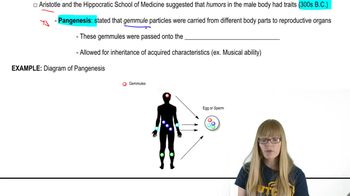
History of Genetics