Ch. 10 - DNA Replication
Klug - Essentials of Genetics 10th Edition
Klug10th EditionEssentials of GeneticsISBN: 9780135588789당신이 사용하는 게 아니라요?교과서 변경
10장, 문제 9

Which characteristics of DNA polymerase I raised doubts that its in vivo function is the synthesis of DNA leading to complete replication?

검증된 단계별 안내
1
Understand the primary known activities of DNA polymerase I, which include its 5' to 3' polymerase activity, 3' to 5' exonuclease proofreading activity, and 5' to 3' exonuclease activity.
Recognize that DNA polymerase I has relatively low processivity, meaning it can add only a limited number of nucleotides before dissociating from the DNA template.
Note that DNA polymerase I's 5' to 3' exonuclease activity allows it to remove RNA primers but also limits its ability to synthesize long stretches of DNA continuously.
Consider that the enzyme's slower rate of DNA synthesis compared to other polymerases suggests it is not the main enzyme responsible for rapid and complete DNA replication.
Conclude that these characteristics—low processivity, presence of 5' to 3' exonuclease activity, and slower synthesis rate—raised doubts about DNA polymerase I being the primary enzyme for complete DNA replication in vivo.

비슷한 문제에 대한 검증된 영상 답변:

이 영상 해법은 위 문제에 도움이 된다고 튜터들이 추천한 것입니다.
영상 길이:
54s
도움이 되었나요?

주요 개념

질문에 올바르게 답하기 위해 반드시 이해해야 하는 핵심 개념들은 다음과 같습니다.

DNA Polymerase I Enzymatic Activities

DNA Polymerase I possesses multiple enzymatic functions, including 5' to 3' polymerase activity, 3' to 5' exonuclease proofreading, and 5' to 3' exonuclease activity. The presence of the 5' to 3' exonuclease allows it to remove RNA primers, but its relatively slow polymerization rate compared to other polymerases raised questions about its role in complete DNA replication.
추천 영상:
가이드 코스
05:44
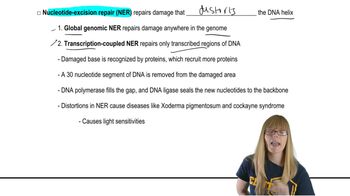
Repair Pathways

Processivity of DNA Polymerase I

Processivity refers to the number of nucleotides a polymerase can add before dissociating from the DNA template. DNA Polymerase I has low processivity, meaning it frequently dissociates, which is inefficient for synthesizing long DNA strands required for complete replication, suggesting it may not be the main enzyme for this task.
추천 영상:
가이드 코스
08:39
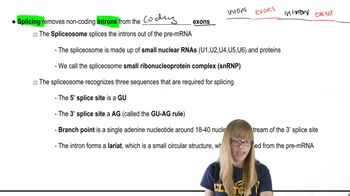
mRNA Processing

Role of DNA Polymerase I in DNA Replication vs. Repair

While DNA Polymerase I can synthesize DNA, its primary in vivo role is believed to be removing RNA primers and filling short gaps during DNA repair and Okazaki fragment processing. This specialized function contrasts with the high-speed, high-processivity synthesis needed for complete genome replication, implicating other polymerases in that role.
추천 영상:
가이드 코스
11:59
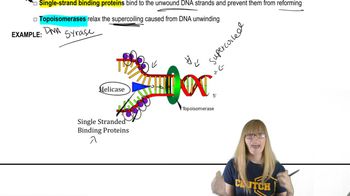
Steps to DNA Replication