Ch. 14 - Translation and Proteins
Klug - Concepts of Genetics  12th Edition
Klug12th EditionConcepts of Genetics ISBN: 9780135564776당신이 사용하는 게 아니라요?교과서 변경
14장, 문제 19

Using sickle-cell anemia as an example, describe what is meant by a molecular or genetic disease. What are the similarities and dissimilarities between this type of a disorder and a disease caused by an invading microorganism?

검증된 단계별 안내
1
Step 1: Define a molecular or genetic disease by explaining that it is caused by mutations or alterations in the DNA sequence of a gene, which leads to abnormal protein function or production. Use sickle-cell anemia as an example, where a single nucleotide mutation in the hemoglobin gene causes the production of abnormal hemoglobin protein.
Step 2: Describe how this mutation affects the structure and function of hemoglobin, leading to the characteristic sickle shape of red blood cells, which impairs their ability to carry oxygen and causes various symptoms of the disease.
Step 3: Explain that diseases caused by invading microorganisms, such as bacteria or viruses, result from external infectious agents entering the body and disrupting normal physiological processes, unlike genetic diseases which originate from internal genetic defects.
Step 4: Compare similarities by noting that both types of diseases can cause significant health problems, may have genetic susceptibility factors, and can trigger immune responses in the body.
Step 5: Highlight dissimilarities by emphasizing that genetic diseases are inherited and present from birth due to DNA mutations, whereas infectious diseases are acquired through exposure to pathogens and are not inherited. Also, treatment approaches differ, with genetic diseases often requiring gene therapy or symptom management, while infectious diseases may be treated with antibiotics or antivirals.

비슷한 문제에 대한 검증된 영상 답변:

이 영상 해법은 위 문제에 도움이 된다고 튜터들이 추천한 것입니다.
영상 길이:
4m
도움이 되었나요?

주요 개념

질문에 올바르게 답하기 위해 반드시 이해해야 하는 핵심 개념들은 다음과 같습니다.

Molecular or Genetic Disease

A molecular or genetic disease arises from mutations or alterations in an individual's DNA that affect the structure or function of proteins. These diseases are inherited or occur due to spontaneous genetic changes, leading to abnormal cellular processes, as seen in sickle-cell anemia where a mutation in the hemoglobin gene causes defective red blood cells.
추천 영상:
가이드 코스
03:45
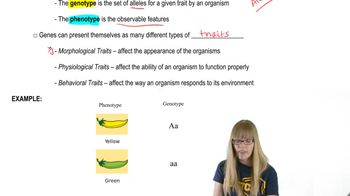
Descriptive Genetics

Sickle-Cell Anemia as a Genetic Disorder

Sickle-cell anemia is caused by a single point mutation in the beta-globin gene, resulting in abnormal hemoglobin (HbS). This causes red blood cells to become rigid and sickle-shaped, impairing oxygen transport and leading to symptoms like pain and anemia. It exemplifies how a single genetic change can have systemic effects.
추천 영상:
가이드 코스
03:44
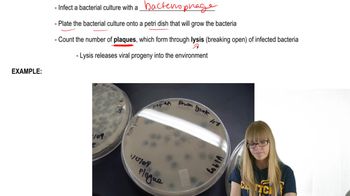
Plaques and Experiments

Differences and Similarities Between Genetic Diseases and Infectious Diseases

Genetic diseases originate from internal DNA mutations and are inherited or spontaneous, while infectious diseases result from external pathogens like bacteria or viruses invading the body. Both can cause cellular dysfunction and symptoms, but genetic diseases are not contagious, whereas infectious diseases can spread between individuals.
추천 영상:
가이드 코스
09:32
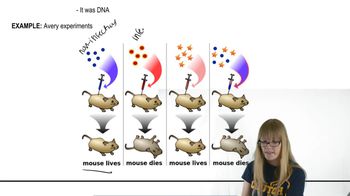
History and Experiments