Ch. 15 - Gene Mutation, DNA Repair, and Transposition
Klug - Concepts of Genetics 12th Edition
Klug12th EditionConcepts of GeneticsISBN: 9780135564776당신이 사용하는 게 아니라요?교과서 변경
15장, 문제 3

What is a spontaneous mutation, and why are spontaneous mutations rare?

검증된 단계별 안내
1
Define a spontaneous mutation as a change in the DNA sequence that occurs naturally without any external influence, typically arising from errors during DNA replication or from natural chemical changes in the DNA.
Explain that spontaneous mutations can result from processes such as tautomeric shifts, depurination, deamination, or errors made by DNA polymerase during replication.
Discuss why spontaneous mutations are rare by highlighting the high fidelity of DNA replication mechanisms, including proofreading by DNA polymerase and mismatch repair systems that correct most errors before they become permanent mutations.
Mention that the chemical stability of DNA and cellular repair mechanisms also contribute to minimizing the frequency of spontaneous mutations.
Summarize that although spontaneous mutations occur naturally, their rarity is due to the combined effect of accurate DNA replication and efficient repair systems that maintain genetic integrity.

비슷한 문제에 대한 검증된 영상 답변:

이 영상 해법은 위 문제에 도움이 된다고 튜터들이 추천한 것입니다.
영상 길이:
1m
도움이 되었나요?

주요 개념

질문에 올바르게 답하기 위해 반드시 이해해야 하는 핵심 개념들은 다음과 같습니다.

Spontaneous Mutation

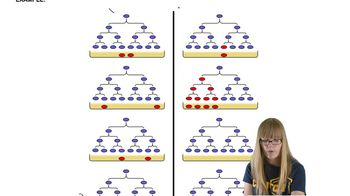
A spontaneous mutation is a genetic change that occurs naturally without any external influence, often due to errors in DNA replication or spontaneous chemical changes in the DNA. These mutations arise randomly and can affect a single nucleotide or larger DNA segments.
추천 영상:
가이드 코스
09:52
Spontaneous Mutations

DNA Replication Fidelity

DNA replication fidelity refers to the accuracy with which DNA is copied during cell division. High fidelity is maintained by proofreading and repair mechanisms that correct errors, which significantly reduces the frequency of spontaneous mutations.
추천 영상:
가이드 코스
11:59
Steps to DNA Replication

DNA Repair Mechanisms

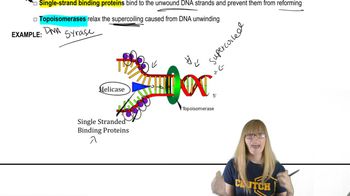
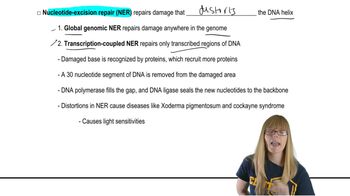
DNA repair mechanisms are cellular processes that detect and fix damaged or incorrectly paired bases in DNA. These systems, such as mismatch repair and base excision repair, help maintain genetic stability by correcting spontaneous errors before they become permanent mutations.
추천 영상:
가이드 코스
05:44
Repair Pathways