Ch. 17 - Transcriptional Regulation in Eukaryotes
Klug - Concepts of Genetics 12th Edition
Klug12th EditionConcepts of GeneticsISBN: 9780135564776당신이 사용하는 게 아니라요?교과서 변경
17장, 문제 1d

How do we know that there is an association between disease susceptibility in humans and regulatory DNA sequences?

검증된 단계별 안내
1
Understand that regulatory DNA sequences control gene expression by influencing transcription levels, which can affect how genes function in different tissues or conditions.
Recognize that variations or mutations in these regulatory regions can alter gene expression patterns, potentially leading to differences in disease susceptibility among individuals.
Learn that researchers identify associations between disease susceptibility and regulatory DNA sequences by comparing genetic data from affected and unaffected individuals, looking for correlations between specific regulatory variants and disease presence.
Explore experimental methods such as genome-wide association studies (GWAS) that scan the genome for variants linked to diseases, including those in non-coding regulatory regions.
Consider functional assays where candidate regulatory sequences are tested in laboratory settings to observe their effect on gene expression, confirming their role in disease mechanisms.

비슷한 문제에 대한 검증된 영상 답변:

이 영상 해법은 위 문제에 도움이 된다고 튜터들이 추천한 것입니다.
영상 길이:
1m
도움이 되었나요?

주요 개념

질문에 올바르게 답하기 위해 반드시 이해해야 하는 핵심 개념들은 다음과 같습니다.

Regulatory DNA Sequences

Regulatory DNA sequences are regions of the genome that control gene expression by influencing transcription. These include promoters, enhancers, silencers, and insulators, which interact with transcription factors to increase or decrease gene activity. Variations in these sequences can affect how genes are turned on or off, impacting cellular function and potentially contributing to disease.
추천 영상:
가이드 코스
08:41
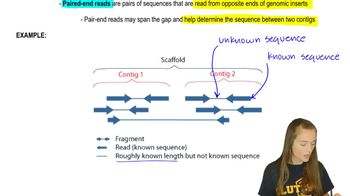
Sequencing Difficulties

Genetic Association Studies

Genetic association studies identify correlations between specific genetic variants and traits or diseases in populations. By comparing DNA sequences of affected and unaffected individuals, researchers can pinpoint regulatory regions linked to disease susceptibility. These studies often use genome-wide association studies (GWAS) to find non-coding variants that influence gene regulation.
추천 영상:
가이드 코스
08:30
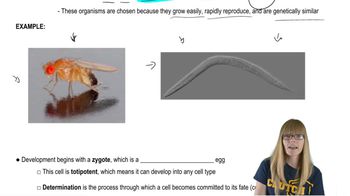
Genetics of Development

Functional Validation of Regulatory Variants

Functional validation involves experimental methods to confirm that identified regulatory variants affect gene expression and contribute to disease. Techniques like reporter assays, CRISPR editing, and chromatin immunoprecipitation (ChIP) help demonstrate how changes in regulatory DNA alter transcription factor binding or chromatin state, linking genetic variation to biological effects and disease risk.
추천 영상:
가이드 코스
08:26
Functional Genomics