Ch. 19 - Epigenetics
Klug - Concepts of Genetics 12th Edition
Klug12th EditionConcepts of GeneticsISBN: 9780135564776당신이 사용하는 게 아니라요?교과서 변경
19장, 문제 17

How can the role of epigenetics in cancer be reconciled with the idea that cancer is caused by the accumulation of genetic mutations in tumor-suppressor genes and proto-oncogenes?

검증된 단계별 안내
1
Understand that cancer is traditionally viewed as a genetic disease caused by mutations in tumor-suppressor genes and proto-oncogenes, leading to uncontrolled cell growth.
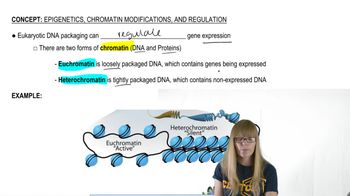
Recognize that epigenetics involves changes in gene expression without altering the DNA sequence, often through mechanisms like DNA methylation and histone modification.
Consider how epigenetic changes can silence tumor-suppressor genes or activate proto-oncogenes, contributing to cancer development similarly to genetic mutations.
Explore the interplay between genetic mutations and epigenetic modifications, where mutations can lead to epigenetic changes and vice versa, creating a complex network influencing cancer progression.
Acknowledge that both genetic and epigenetic factors are crucial in understanding cancer, as they can work together to disrupt normal cellular functions and promote tumorigenesis.

비슷한 문제에 대한 검증된 영상 답변:

이 영상 해법은 위 문제에 도움이 된다고 튜터들이 추천한 것입니다.
영상 길이:
39s

주요 개념

질문에 올바르게 답하기 위해 반드시 이해해야 하는 핵심 개념들은 다음과 같습니다.

Epigenetics

Epigenetics refers to the study of changes in gene expression that do not involve alterations to the underlying DNA sequence. These changes can be influenced by environmental factors and can affect how genes are turned on or off. In cancer, epigenetic modifications can lead to the silencing of tumor-suppressor genes or the activation of oncogenes, contributing to tumor development.
추천 영상:

Genetic Mutations

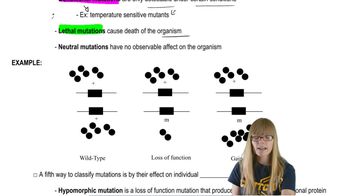
Genetic mutations are permanent alterations in the DNA sequence that can lead to changes in protein function. In cancer, mutations often occur in tumor-suppressor genes, which normally prevent uncontrolled cell growth, or in proto-oncogenes, which promote cell division. The accumulation of these mutations is a key factor in the progression of cancer, leading to the transformation of normal cells into malignant ones.
추천 영상:
가이드 코스
10:48
Mutations and Phenotypes

Tumor-Suppressor Genes and Proto-Oncogenes

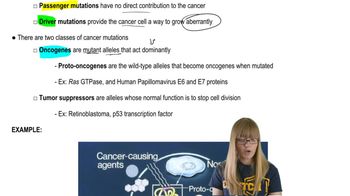
Tumor-suppressor genes are responsible for regulating cell division and preventing tumor formation, while proto-oncogenes promote cell growth and division. When mutations occur in these genes, they can disrupt normal cellular functions, leading to cancer. Understanding the interplay between genetic mutations in these genes and epigenetic modifications is crucial for comprehending the multifaceted nature of cancer development.
추천 영상:
가이드 코스
04:46
Cancer Mutations