Ch. 19 - Epigenetics
Klug - Concepts of Genetics  12th Edition
Klug12th EditionConcepts of Genetics ISBN: 9780135564776당신이 사용하는 게 아니라요?교과서 변경
19장, 문제 10

How do microRNAs regulate epigenetic mechanisms during development?

검증된 단계별 안내
1
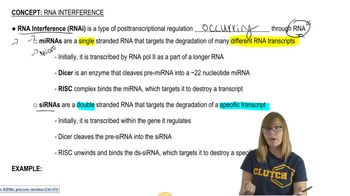
Understand the role of microRNAs (miRNAs): MicroRNAs are small, non-coding RNA molecules that regulate gene expression post-transcriptionally by binding to complementary sequences on target messenger RNAs (mRNAs), leading to their degradation or inhibition of translation.
Explore the connection between miRNAs and epigenetic mechanisms: Epigenetic mechanisms include DNA methylation, histone modification, and chromatin remodeling. MicroRNAs can influence these processes by targeting enzymes or proteins involved in epigenetic regulation, such as DNA methyltransferases (DNMTs) or histone deacetylases (HDACs).
Investigate specific examples: For instance, miRNAs can downregulate DNMTs, reducing DNA methylation levels and altering gene expression patterns during development. Similarly, miRNAs can target histone-modifying enzymes, affecting chromatin structure and accessibility.
Consider developmental context: During development, miRNAs play critical roles in ensuring proper differentiation and tissue-specific gene expression by modulating epigenetic landscapes. This ensures that genes are turned on or off at the right time and place.
Summarize the regulatory impact: MicroRNAs act as fine-tuners of epigenetic mechanisms, ensuring precise control of gene expression during development. Their ability to target multiple components of the epigenetic machinery highlights their importance in developmental processes.

비슷한 문제에 대한 검증된 영상 답변:

이 영상 해법은 위 문제에 도움이 된다고 튜터들이 추천한 것입니다.
영상 길이:
1m
도움이 되었나요?

주요 개념

질문에 올바르게 답하기 위해 반드시 이해해야 하는 핵심 개념들은 다음과 같습니다.

MicroRNAs

MicroRNAs (miRNAs) are small, non-coding RNA molecules that play a crucial role in regulating gene expression. They bind to complementary sequences on target messenger RNAs (mRNAs), leading to mRNA degradation or inhibition of translation. This regulation is vital during development, as it helps control the timing and level of protein production necessary for proper cellular functions and differentiation.
추천 영상:
가이드 코스
06:59
RNA Interference

Epigenetic Mechanisms

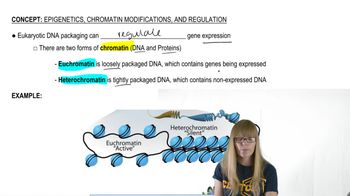
Epigenetic mechanisms refer to heritable changes in gene expression that do not involve alterations to the underlying DNA sequence. These changes can be mediated by chemical modifications, such as DNA methylation and histone modification, which influence chromatin structure and accessibility. During development, epigenetic regulation is essential for cell identity and the orchestration of developmental processes.
추천 영상:

Developmental Regulation

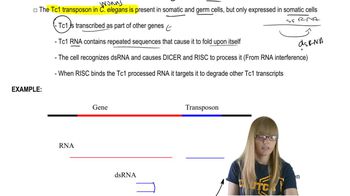
Developmental regulation encompasses the processes that control the growth and differentiation of cells into various tissues and organs during an organism's development. This regulation is tightly coordinated and involves various signaling pathways, transcription factors, and regulatory RNAs, including miRNAs. Understanding how miRNAs interact with epigenetic mechanisms provides insight into the complex regulatory networks that govern development.
추천 영상: