Ch. 22 - Applications of Genetic Engineering and Biotechnology
Klug - Concepts of Genetics 12th Edition
Klug12th EditionConcepts of GeneticsISBN: 9780135564776당신이 사용하는 게 아니라요?교과서 변경
22장, 문제 11

Maternal blood tests for three pregnant women revealed they would be having boys, yet subsequent ultrasound images showed all three were pregnant with girls. In each case Y chromosome sequences in each mother's blood originated from transplanted organs they had received from men! This demonstrates one dramatic example of a limitation of genetic analysis of maternal blood samples. What kind of information could have been collected from each mother in advance of these tests to better inform physicians prior to performing each test?

검증된 단계별 안내
1
Step 1: Understand the context of the problem. The maternal blood test detects Y chromosome sequences, which are typically associated with male fetuses. However, in this case, the Y chromosome sequences originated from transplanted organs received from male donors, not the fetus.
Step 2: Recognize the limitation of the test. The maternal blood test cannot distinguish between Y chromosome sequences from the fetus and those from other sources, such as transplanted organs. This highlights the importance of considering external factors that may affect genetic analysis results.
Step 3: Collect medical history of the mother. Physicians should gather detailed information about the mother's medical history, including any organ transplants, blood transfusions, or other procedures that could introduce foreign DNA into her bloodstream.
Step 4: Perform additional genetic tests. To confirm the origin of the Y chromosome sequences, physicians could use more specific tests, such as analyzing the genetic markers unique to the fetus or comparing the detected sequences to the donor's DNA profile.
Step 5: Educate and inform the patient. Physicians should explain the limitations of maternal blood tests and discuss alternative methods for determining fetal sex, such as ultrasound imaging or amniocentesis, especially in cases where external DNA sources are present.

비슷한 문제에 대한 검증된 영상 답변:

이 영상 해법은 위 문제에 도움이 된다고 튜터들이 추천한 것입니다.
영상 길이:
1m

주요 개념

질문에 올바르게 답하기 위해 반드시 이해해야 하는 핵심 개념들은 다음과 같습니다.

Fetal DNA in Maternal Blood

Fetal DNA can be found in the maternal bloodstream, allowing for non-invasive prenatal testing. This DNA is typically a mixture of maternal and fetal genetic material, and its analysis can provide information about the fetus's sex and potential genetic disorders. However, the presence of male DNA in maternal blood can lead to misleading results, especially if the mother has received male organ transplants.
추천 영상:
가이드 코스
03:38
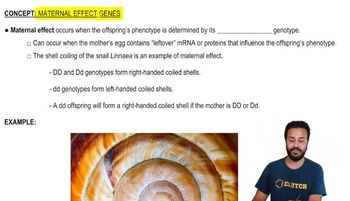
Maternal Effect

Transplant Immunology

Transplant immunology studies how the immune system responds to transplanted organs. When a woman receives a male organ transplant, Y chromosome sequences from the donor can circulate in her blood. This can complicate genetic testing, as the presence of these sequences may be misinterpreted as indicating a male fetus, highlighting the importance of understanding a patient's medical history before genetic testing.

Pre-Test Genetic Counseling

Pre-test genetic counseling involves discussing the implications, limitations, and potential outcomes of genetic tests with patients. This process can help identify any factors that may affect test results, such as previous organ transplants or genetic conditions in the family. By gathering comprehensive medical histories, healthcare providers can better inform patients and interpret test results more accurately.
추천 영상:
가이드 코스
11:35
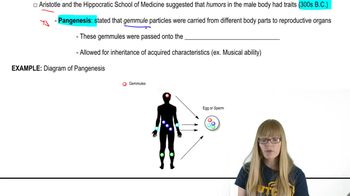
History of Genetics