Ch. 1 - The Molecular Basis of Heredity, Variation, and Evolution
Sanders - Genetic Analysis: An Integrated Approach 3rd Edition
Sanders3rd EditionGenetic Analysis: An Integrated ApproachISBN: 9780135564172당신이 사용하는 게 아니라요?교과서 변경
1장, 문제 13

Plant agriculture and animal domestication developed independently several times and in different locations in human history. Do a brief Internet search and then list the approximate locations, time periods, and crops developed in three of these agricultural events. What role do you think ideas about heredity may have played in these events?

검증된 단계별 안내
1
span>Identify three significant agricultural events in human history where plant agriculture and animal domestication developed independently.
span>Conduct an Internet search to gather information on the approximate locations and time periods of these events.
span>Research the specific crops or animals that were developed or domesticated during each of these events.
span>Consider the role of heredity in these events by reflecting on how early humans might have selected for desirable traits in plants and animals, even without a formal understanding of genetics.
span>Summarize your findings, focusing on how the selection of traits could have been influenced by early ideas about heredity, such as choosing plants with larger seeds or animals with more docile temperaments.

비슷한 문제에 대한 검증된 영상 답변:

이 영상 해법은 위 문제에 도움이 된다고 튜터들이 추천한 것입니다.
영상 길이:
3m
도움이 되었나요?

주요 개념

질문에 올바르게 답하기 위해 반드시 이해해야 하는 핵심 개념들은 다음과 같습니다.

Domestication of Plants and Animals

Domestication refers to the process by which humans cultivate plants and breed animals for specific traits, leading to significant changes in their genetic makeup. This process allowed for the development of agriculture, as certain plants and animals were selected for desirable characteristics such as yield, taste, and temperament. Understanding the timeline and locations of these events helps illustrate the evolution of human societies.
추천 영상:
가이드 코스
04:06
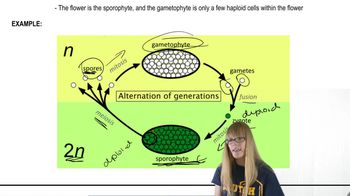
Formation of Plant Gametes

Heredity and Genetic Variation

Heredity is the transmission of genetic traits from parents to offspring, which plays a crucial role in agriculture. Through selective breeding, early farmers and animal husbandry practices enhanced desirable traits in crops and livestock. This understanding of heredity allowed for the improvement of species over generations, leading to more productive and resilient agricultural systems.
추천 영상:
가이드 코스
09:28
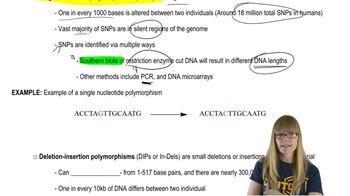
Genomic Variation

Agricultural Revolution

The Agricultural Revolution refers to the significant transition from nomadic hunter-gatherer societies to settled agricultural communities. This shift, which occurred independently in various regions, marked the beginning of systematic farming and domestication. Key events include the Neolithic Revolution in the Fertile Crescent, the development of rice cultivation in East Asia, and maize agriculture in Mesoamerica, each contributing to the rise of complex societies.
추천 영상:
가이드 코스
09:03
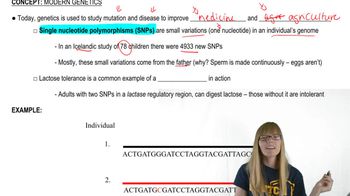
Modern Genetics