Ch. 14 - Analysis of Gene Function via Forward Genetics and Reverse Genetics
Sanders - Genetic Analysis: An Integrated Approach 3rd Edition
Sanders3rd EditionGenetic Analysis: An Integrated ApproachISBN: 9780135564172당신이 사용하는 게 아니라요?교과서 변경
14장, 문제 C.9d

Go to the website http://www.cancer.gov and select 'Cancer Types' on the top menu bar. Scroll down to 'Breast Cancer' and click. Select 'Cases & Prevention' from the options. Click 'More information' and select 'BRCA Mutations: Cancer Risk and Genetic Testing'. Use the information on this page to answer the following questions. Are there measures a woman with a positive result can take to lessen her chances of developing cancer or to catch a cancer early in its development?

검증된 단계별 안내
1
This question is about understanding genetic risk factors and preventive measures related to BRCA mutations, which are linked to breast cancer risk.
First, recognize that BRCA1 and BRCA2 are genes where certain mutations can significantly increase the risk of breast and ovarian cancers.
Next, explore the information on the specified website section about BRCA mutations, focusing on recommended strategies for women who test positive for these mutations.
Identify the preventive measures mentioned, which may include increased surveillance (such as more frequent mammograms or MRI scans), lifestyle changes, chemoprevention (using medications to reduce risk), and prophylactic surgeries (such as mastectomy or oophorectomy) to reduce cancer risk.
Finally, understand that early detection strategies aim to catch cancer at an early, more treatable stage, while preventive surgeries and medications aim to lower the overall risk of developing cancer.

비슷한 문제에 대한 검증된 영상 답변:

이 영상 해법은 위 문제에 도움이 된다고 튜터들이 추천한 것입니다.
영상 길이:
1m
도움이 되었나요?

주요 개념

질문에 올바르게 답하기 위해 반드시 이해해야 하는 핵심 개념들은 다음과 같습니다.

BRCA Gene Mutations and Cancer Risk

BRCA1 and BRCA2 are genes that produce proteins responsible for repairing DNA damage. Mutations in these genes can significantly increase a woman's risk of developing breast and ovarian cancers. Understanding these mutations helps assess individual cancer risk and guides decisions about prevention and screening.
추천 영상:
가이드 코스
04:46
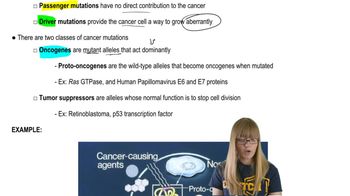
Cancer Mutations

Preventive Measures for High-Risk Individuals

Women with positive BRCA mutations can take preventive actions such as increased surveillance, chemoprevention, or risk-reducing surgeries like mastectomy or oophorectomy. These measures aim to lower the chance of cancer development or detect it early when treatment is more effective.
추천 영상:
가이드 코스
11:06
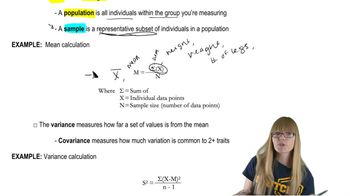
Mathematical Measurements

Early Detection and Screening Strategies

Early detection involves regular screening methods like mammograms, MRI, and clinical breast exams, especially for high-risk women. These strategies help identify cancer at an early stage, improving treatment outcomes and survival rates.
추천 영상:
가이드 코스
03:52
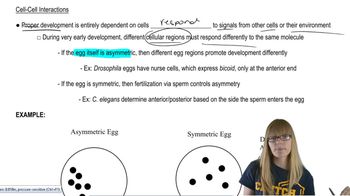
Cell-cell interactions
관련 실천
교과서 질문

You have identified a gene encoding the protein involved in the rate-limiting step in vitamin E biosynthesis. How would you create a transgenic plant producing large quantities of vitamin E in its seeds?

574
views
교과서 질문

What kind of information will be made available by The Cancer Genome Atlas (TCGA)? What sort of role do you think TCGA information will play in cancer diagnosis and cancer treatment in the future?

620
views
교과서 질문

Go to the website http://www.cancer.gov and select 'Cancer Types' on the top menu bar. Scroll down to 'Breast Cancer' and click. Select 'Cases & Prevention' from the options. Click 'More information' and select 'BRCA Mutations: Cancer Risk and Genetic Testing'. Use the information on this page to answer the following questions. What are the approximate percentage increases in risk of having breast cancer and of having ovarian cancer for women inheriting harmful mutations of BRCA1 and BRCA2 compared with the risks in the general population?

467
views
교과서 질문

Discuss the advantages (and possible disadvantages) of the different mutagens in the following table:

483
views
교과서 질문

Go to the website http://www.cancer.gov and select 'Cancer Types' on the top menu bar. Scroll down to 'Breast Cancer' and click. Select 'Cases & Prevention' from the options. Click 'More information' and select 'BRCA Mutations: Cancer Risk and Genetic Testing'. Use the information on this page to answer the following questions. As a special project, instead of selecting 'Breast Cancer' from the list of types of cancer, select another cancer you would like to know more about and produce a short summary of what you find.

488
views
교과서 질문

Go to the website http://www.cancer.gov and select 'Cancer Types' on the top menu bar. Scroll down to 'Breast Cancer' and click. Select 'Cases & Prevention' from the options. Click 'More information' and select 'BRCA Mutations: Cancer Risk and Genetic Testing'. Use the information on this page to answer the following questions. What features of family history increase the likelihood that a woman will have a harmful mutation of BRCA1 or BRCA2?

428
views