Ch. 14 - Analysis of Gene Function via Forward Genetics and Reverse Genetics
Sanders - Genetic Analysis: An Integrated Approach 3rd Edition
Sanders3rd EditionGenetic Analysis: An Integrated ApproachISBN: 9780135564172당신이 사용하는 게 아니라요?교과서 변경
14장, 문제 5

What are the advantages and disadvantages of using insertion alleles versus alleles generated by chemicals (as in TILLING) in reverse genetic studies?

검증된 단계별 안내
1
Understand the context of reverse genetics: Reverse genetics involves studying the function of a gene by analyzing the phenotypic effects of specific gene alterations. The two approaches mentioned—using insertion alleles and chemically induced alleles—are methods to create these alterations.
Explain insertion alleles: Insertion alleles are created by inserting a piece of DNA (e.g., a transposon or T-DNA) into a gene, disrupting its function. This method is precise because the insertion site can be identified, and the disrupted gene can be directly linked to the observed phenotype.
Discuss the advantages of insertion alleles: Insertion alleles allow for easy identification of the mutated gene using molecular techniques like PCR. Additionally, the inserted DNA can sometimes include reporter genes or selectable markers, facilitating further studies.
Explain chemically induced alleles (TILLING): TILLING (Targeting Induced Local Lesions in Genomes) uses chemical mutagens, such as EMS (ethyl methanesulfonate), to induce random point mutations in the genome. These mutations can be identified through high-throughput screening methods.
Compare disadvantages: Insertion alleles may disrupt regulatory regions or cause unintended effects due to the insertion. On the other hand, chemically induced alleles are random and may require extensive screening to identify mutations in the gene of interest. Additionally, chemical mutagenesis often results in point mutations, which may not completely knock out gene function, making it less definitive than insertion alleles in some cases.

비슷한 문제에 대한 검증된 영상 답변:

이 영상 해법은 위 문제에 도움이 된다고 튜터들이 추천한 것입니다.
영상 길이:
1m
도움이 되었나요?

주요 개념

질문에 올바르게 답하기 위해 반드시 이해해야 하는 핵심 개념들은 다음과 같습니다.

Insertion Alleles

Insertion alleles are genetic variants created by the insertion of DNA sequences into a specific location in the genome. This method can lead to gene disruption or modification, allowing researchers to study gene function and phenotypic effects. The advantages include targeted changes and the potential for stable expression, while disadvantages may involve unintended effects on neighboring genes or regulatory elements.
추천 영상:
가이드 코스
03:03
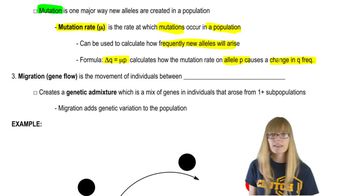
New Alleles and Migration

TILLING (Targeting Induced Local Lesions in Genomes)

TILLING is a reverse genetics technique that uses chemical mutagens to induce random mutations in the genome, followed by screening for specific mutations. This method allows for the identification of alleles with subtle changes, such as point mutations, which can be beneficial for studying gene function. However, the random nature of TILLING can lead to off-target effects and may require extensive screening to find desired mutations.
추천 영상:
가이드 코스
04:29
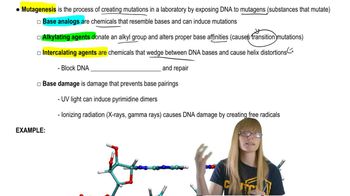
Induced Mutations

Reverse Genetics

Reverse genetics is an approach that starts with a known gene and seeks to understand its function by analyzing the phenotypic effects of specific mutations. This method contrasts with forward genetics, which begins with a phenotype and works backward to identify the responsible gene. In the context of insertion alleles and TILLING, reverse genetics helps researchers determine how specific genetic changes influence traits, guiding breeding and genetic engineering efforts.
추천 영상:
가이드 코스
07:39
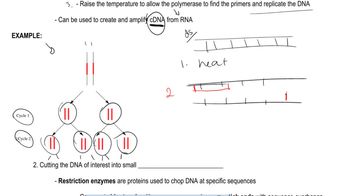
Genetic Cloning