Ch. 16 - Genomics: Genetics from a Whole-Genome Perspective
Sanders - Genetic Analysis: An Integrated Approach 3rd Edition
Sanders3rd EditionGenetic Analysis: An Integrated ApproachISBN: 9780135564172당신이 사용하는 게 아니라요?교과서 변경
16장, 문제 1

You have discovered a new species of archaea from a hot spring in Yellowstone National Park. After growing a pure culture of this organism, what strategy might you employ to sequence its genome?

검증된 단계별 안내
1
Step 1: Isolate the DNA from the pure culture of the archaea to obtain a sufficient quantity of high-quality genomic DNA.
Step 2: Choose a sequencing technology suitable for the genome size and complexity, such as Illumina for short reads or PacBio/ONT for long reads.
Step 3: Prepare a sequencing library by fragmenting the DNA and adding necessary adapters for the chosen sequencing platform.
Step 4: Sequence the DNA fragments using the selected sequencing technology to generate raw sequence data.
Step 5: Assemble the raw sequence data into a complete genome sequence using bioinformatics tools, ensuring to address any gaps or errors in the assembly.

비슷한 문제에 대한 검증된 영상 답변:

이 영상 해법은 위 문제에 도움이 된다고 튜터들이 추천한 것입니다.
영상 길이:
1m

주요 개념

질문에 올바르게 답하기 위해 반드시 이해해야 하는 핵심 개념들은 다음과 같습니다.

Genome Sequencing Techniques

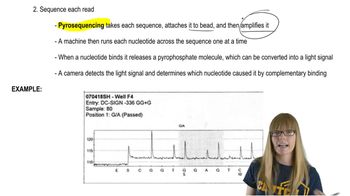
Genome sequencing involves various techniques to determine the complete DNA sequence of an organism's genome. Common methods include Sanger sequencing, which is suitable for smaller genomes, and next-generation sequencing (NGS), which allows for rapid sequencing of large genomes. Understanding these techniques is crucial for selecting the appropriate method for sequencing the genome of the newly discovered archaea.
추천 영상:
가이드 코스
08:55
Sequencing Overview

Archaea Characteristics

Archaea are a distinct group of microorganisms that differ from bacteria and eukaryotes in their genetic, biochemical, and physiological properties. They often thrive in extreme environments, such as hot springs, and possess unique adaptations, such as distinct membrane lipids and ribosomal RNA sequences. Recognizing these characteristics is essential for understanding the specific challenges and considerations when sequencing their genomes.
추천 영상:
가이드 코스
09:46
Cancer Characteristics

Bioinformatics in Genomics

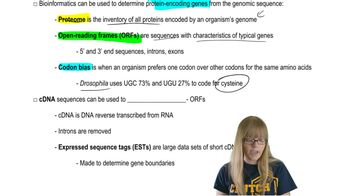
Bioinformatics is the application of computational tools to manage, analyze, and interpret biological data, particularly in genomics. After sequencing the genome, bioinformatics plays a critical role in assembling the sequence, annotating genes, and comparing the genome to other organisms. Familiarity with bioinformatics tools and databases is vital for effectively analyzing the genomic data obtained from the new archaeal species.
추천 영상: