Ch.12 Food as Fuel An Overview of Metabolism
Frost - General, Organic and Biological Chemistry 4th Edition
Frost4th EditionGeneral, Organic and Biological ChemistryISBN: 9780134988696당신이 사용하는 게 아니라요?교과서 변경
8장, 문제 1

How can you identify a catabolic reaction?

검증된 단계별 안내
1
Understand that catabolic reactions are metabolic pathways that break down molecules into smaller units, releasing energy in the process.
Recognize that these reactions often involve the breakdown of complex molecules such as carbohydrates, fats, and proteins into simpler molecules like carbon dioxide, water, and ammonia.
Identify that catabolic reactions are typically exergonic, meaning they release energy, which is often captured in the form of ATP (adenosine triphosphate).
Look for key examples of catabolic reactions, such as glycolysis, the citric acid cycle, and the breakdown of fatty acids, which are all processes that release energy by breaking down larger molecules.
Note that catabolic reactions are crucial for providing the energy required for various cellular processes and for maintaining the cell's energy balance.

비슷한 문제에 대한 검증된 영상 답변:

이 영상 해법은 위 문제에 도움이 된다고 튜터들이 추천한 것입니다.
영상 길이:
3m

주요 개념

질문에 올바르게 답하기 위해 반드시 이해해야 하는 핵심 개념들은 다음과 같습니다.

Catabolic Reactions

Catabolic reactions are metabolic processes that break down larger molecules into smaller units, releasing energy in the process. These reactions are essential for cellular respiration, where glucose is broken down to produce ATP, the energy currency of the cell. Understanding the nature of these reactions helps in identifying them based on their energy-releasing characteristics.
추천 영상:
가이드 코스
2:06
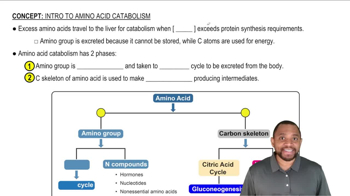
Intro to Amino Acid Catabolism Concept 1

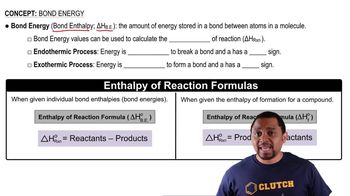
Energy Release

A key feature of catabolic reactions is the release of energy, often measured in calories or joules. This energy is typically harnessed by cells to perform work, such as muscle contraction or biosynthesis. Identifying a reaction as catabolic often involves observing whether it results in a net release of energy, which can be detected through changes in temperature or the production of ATP.
추천 영상:

Biochemical Pathways

Biochemical pathways are sequences of chemical reactions occurring within a cell, where each step is facilitated by enzymes. Catabolic pathways, such as glycolysis and the citric acid cycle, illustrate how complex molecules are systematically broken down. Recognizing the specific pathways involved can help in identifying catabolic reactions by tracing the transformation of substrates into products.
추천 영상:
가이드 코스
1:08
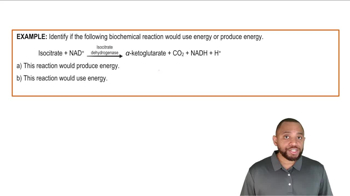
Energy Production In Biochemical Pathways Example 1