
Ch. 11 - Characterizing and Classifying Prokaryotes
Bauman - Microbiology with Diseases by Taxonomy 6th Edition
Bauman6th EditionMicrobiology with Diseases by TaxonomyISBN: 9780134832302당신이 사용하는 게 아니라요?교과서 변경
11장, 문제 7

How is Agrobacterium used in recombinant DNA technology?

검증된 단계별 안내
1
Understand that Agrobacterium is a genus of bacteria known for its natural ability to transfer DNA to plant cells, which is a key feature exploited in recombinant DNA technology.
Recognize that the Ti plasmid (tumor-inducing plasmid) within Agrobacterium contains a segment called T-DNA, which can integrate into the plant genome, causing crown gall disease naturally.
Learn that scientists modify the Ti plasmid by removing the disease-causing genes within the T-DNA region and replacing them with desired genes to be introduced into the plant.
The modified Agrobacterium is then used to infect plant cells, where it transfers the engineered T-DNA into the plant genome, allowing the plant to express the new gene.
This method is widely used to create genetically modified plants with traits such as pest resistance, herbicide tolerance, or improved nutritional content.

비슷한 문제에 대한 검증된 영상 답변:

이 영상 해법은 위 문제에 도움이 된다고 튜터들이 추천한 것입니다.
영상 길이:
2m
도움이 되었나요?

주요 개념

질문에 올바르게 답하기 위해 반드시 이해해야 하는 핵심 개념들은 다음과 같습니다.

Agrobacterium tumefaciens and Ti Plasmid

Agrobacterium tumefaciens is a soil bacterium that naturally transfers a segment of its DNA (T-DNA) from the Ti plasmid into plant cells, causing crown gall disease. This natural gene transfer ability is harnessed in biotechnology to introduce desired genes into plants.
추천 영상:

Recombinant DNA Technology

Recombinant DNA technology involves combining DNA from different sources to create new genetic combinations. In the context of Agrobacterium, scientists replace the disease-causing genes in the Ti plasmid with beneficial genes, enabling targeted genetic modification of plants.
추천 영상:
가이드 코스
03:12
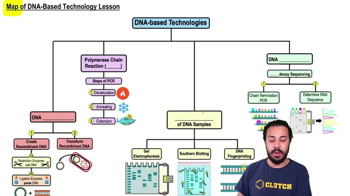
Map of DNA-Based Technology Lesson

Genetic Transformation of Plants

Using Agrobacterium, foreign genes are inserted into plant genomes by exploiting the bacterium's natural infection mechanism. This method allows stable integration and expression of new traits, such as pest resistance or improved nutrition, in genetically engineered plants.
추천 영상:
가이드 코스
03:06
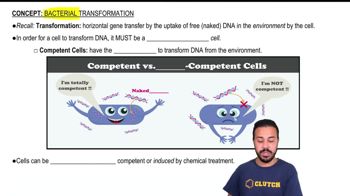
Bacterial Transformation