Ch. 16 - Adaptive Immunity
Bauman - Microbiology with Diseases by Taxonomy 6th Edition
Bauman6th EditionMicrobiology with Diseases by TaxonomyISBN: 9780134832302당신이 사용하는 게 아니라요?교과서 변경
16장, 문제 16.4a

An autoantigen is ____________  .


a. an antigen from normal microbiota
b. a normal body component
c. an artificial antigen
d. any carbohydrate antigen
e. nucleic acid

검증된 단계별 안내
1
Understand the term 'autoantigen'.
Recognize that 'auto' refers to 'self'.
Consider that an autoantigen is an antigen that originates from the host's own body.
Eliminate options that do not align with the concept of 'self', such as those involving external sources or artificial origins.
Identify the option that describes a normal body component as the correct choice.

비슷한 문제에 대한 검증된 영상 답변:

이 영상 해법은 위 문제에 도움이 된다고 튜터들이 추천한 것입니다.
영상 길이:
2m
도움이 되었나요?

주요 개념

질문에 올바르게 답하기 위해 반드시 이해해야 하는 핵심 개념들은 다음과 같습니다.

Autoantigens

Autoantigens are molecules produced by the body that can trigger an immune response against the body's own tissues. They are typically normal components of the body, such as proteins or carbohydrates, that the immune system mistakenly identifies as foreign, leading to autoimmune diseases.

Normal Body Components

Normal body components refer to the molecules and structures that are naturally present in the body, including proteins, lipids, and nucleic acids. These components are essential for normal physiological functions, but when recognized as antigens by the immune system, they can lead to autoimmune reactions.
추천 영상:
가이드 코스
03:43
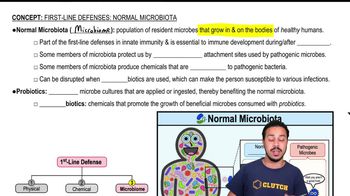
Normal Microbiota

Immune Response

The immune response is the body's defense mechanism against foreign substances, including pathogens and antigens. It involves the activation of immune cells and the production of antibodies, which can sometimes mistakenly target autoantigens, resulting in tissue damage and autoimmune disorders.
추천 영상:
가이드 코스
02:57
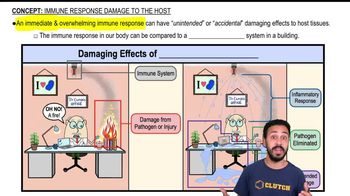
Intro to Immune Response Damage